Tortuguero vs Parismina: The Costa Rica Village I Didn’t Expect
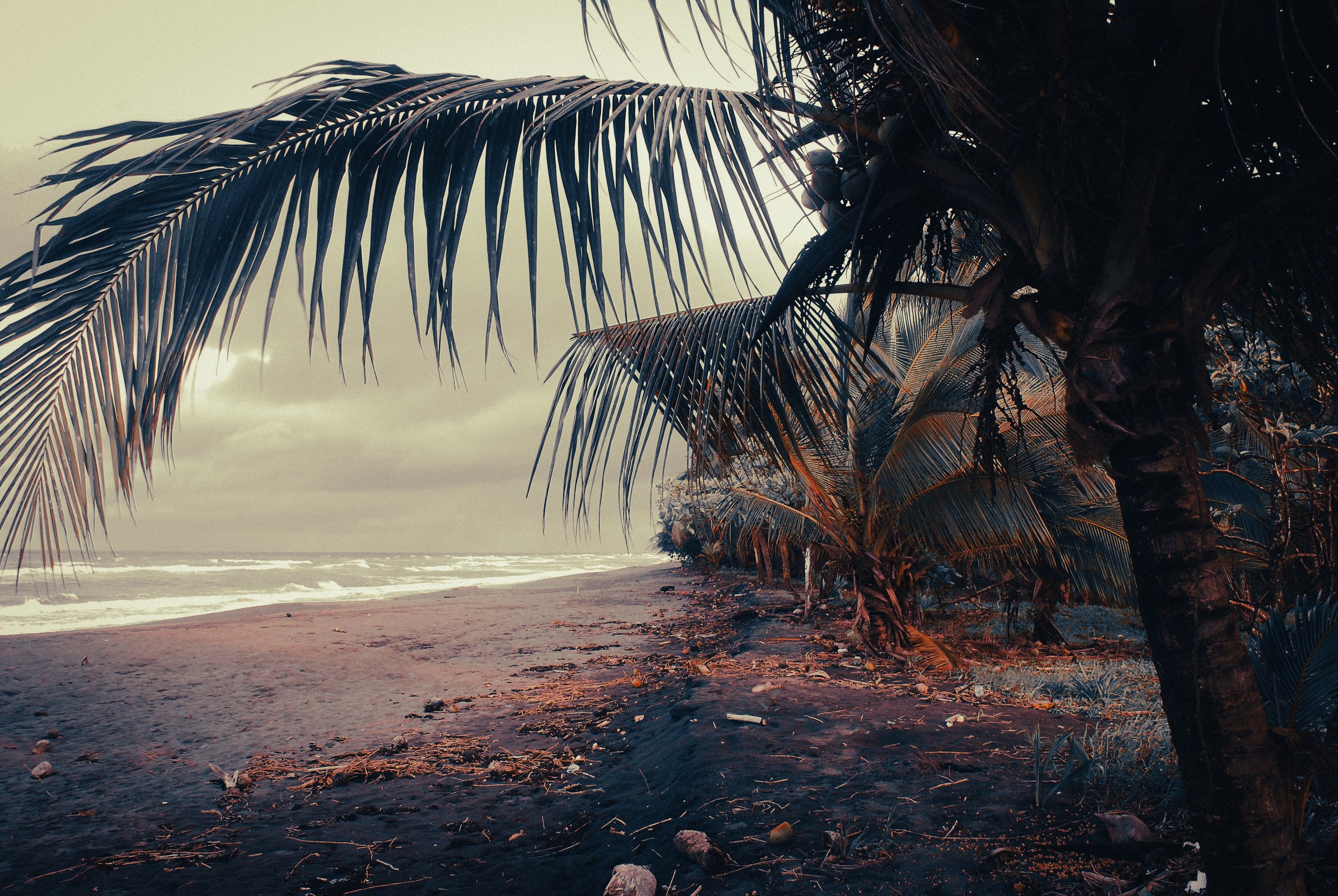
Parismina Beach, a remote black sand coastline on Costa Rica’s Caribbean side.
Tortuguero or Parismina? The place everyone knows, and the place they miss
If people search for turtles in Costa Rica, they usually find El Tortuguero as the first option. And fair enough. El Tortuguero National Park is famous for a reason, It's one of the most important nesting sites for green sea turtles in the world, and for many travellers, it is a very special place to go if they are looking for crocodiles, jungle, wildlife tours, and the unique chance to see turtles nesting on the Caribbean coast.
But this is where Parismina becomes interesting. Parismina is not trying to compete with El Tortuguero, it's not polished enough for that. It does not have the same tourist machine around it, the same easy explanations, or the feeling that everything has already been packaged for you. It sits quietly south of El Tortuguero, close enough to reach it by boat, but far enough to feel like a different version of Costa Rica entirely. If El Tortuguero is the place people are told to visit, Parismina is the place you find when you start looking deeper, past the obvious.
The strange thing is that Parismina has the same ingredients people are searching for when they type things like Tortuguero Costa Rica wildlife, Costa Rica turtle nesting beach, or best place to see turtles in Costa Rica. Jungle, canals, black sand, river mouths, birds, reptiles, fishing boats, thick air, and the constant feeling that something is moving behind you.
But there are fewer people who know this magic spot. And maybe that is the whole point. Parismina beach is also an important nesting place for sea turtles. Leatherback turtles, green turtles, and hawksbill turtles come here to lay their eggs, and the village has built part of its identity around protecting them. This is where ASTOP, Asociación Salvemos las Tortugas de Parismina, comes in. Their volunteers and local guides walk the beach at night, monitor nesting turtles, protect eggs, and help run the hatchery. It is not a touristic performance, but community work, slow work, the kind of work that happens while most people are asleep.
That is one of the reasons Parismina stayed with me. Not because it was more beautiful. Beauty is everywhere in Costa Rica, almost annoyingly so. But because Parismina felt less arranged. Less translated. Less softened for outsiders. In El Tortuguero, you can find tours easily. You can follow the normal route. You can stay where everyone stays, book what everyone books, and still have a beautiful experience. I’m not going to pretend otherwise. El Tortuguero is popular because it is genuinely special. But Parismina gives you something else. It gives you space.
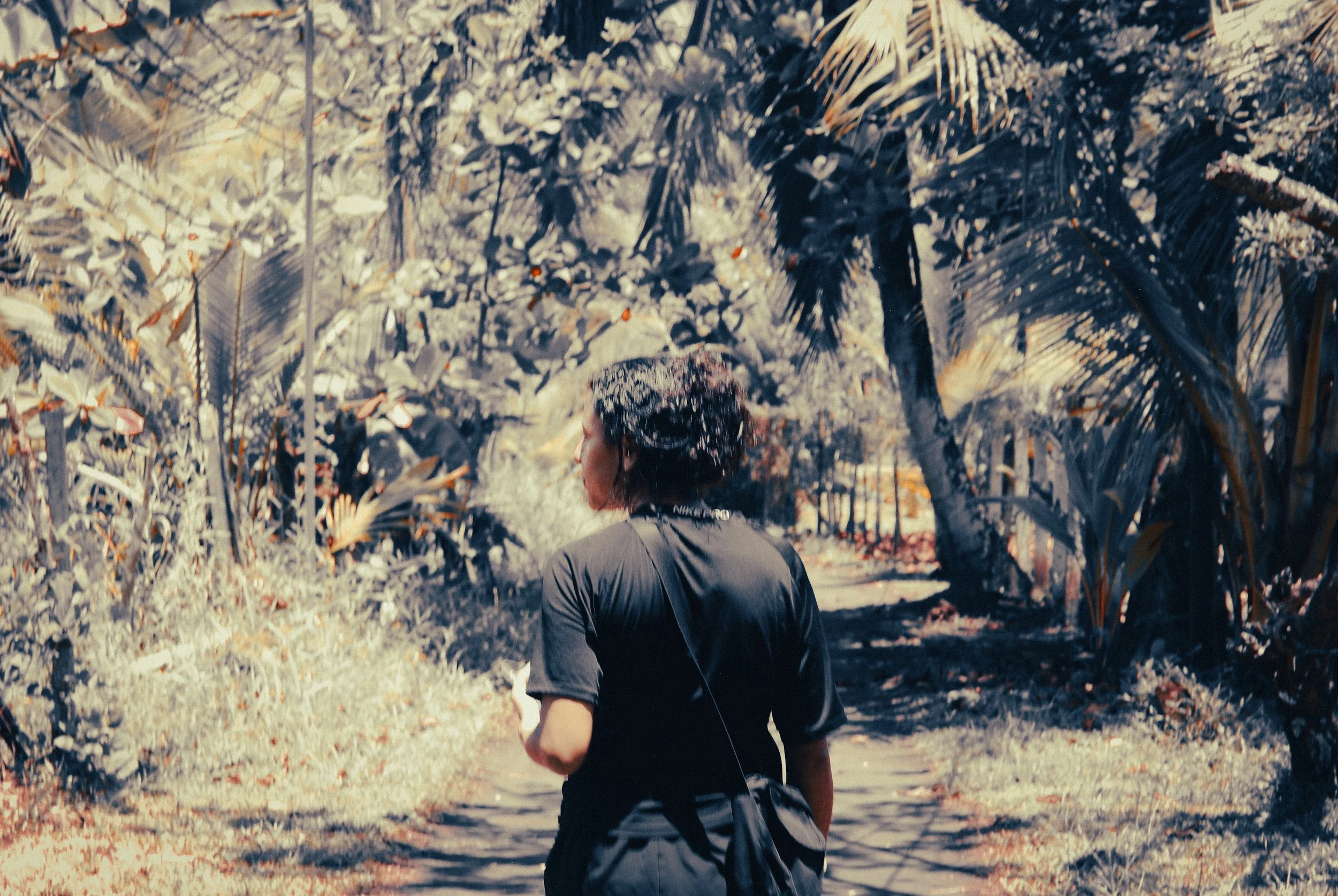
Jungle Paths
Walking through Parismina, where the jungle feels close, quiet, and completely uninterested in performing for tourists.
From Parismina, you can still visit El Tortuguero if you want to. That is what makes it such a good alternative. You do not have to stay inside the most touristy part to experience the wider area. Boats can take you towards El Tortuguero, or to smaller places along the canals that do not appear on Google Maps. Some are just known by villagers, fishermen, or guides who grew up reading the jungle better than any app ever could. This is where asking locally matters.
You can explore some of Parismina on your own, walking through the village, along the beach, around the river, letting the place unfold slowly. But if you want a wildlife tour, ask someone local. If you are staying with Amaya the hostel owner, ask her. She can help connect you with someone from the village for a fair price, without turning the whole thing into a staged jungle performance. That captivated me the most.
Because in places like Parismina, the money should stay close to the people who live there. The people who fish there. The people who know when the river changes mood. The people who understand which parts are safe, which parts are not, and where the animals are likely to be before you have even noticed the sound of them.
Fishing is a big part of life here too. Parismina is known locally as one of Costa Rica’s great fishing spots, and you feel that immediately. Boats are not decoration. They are part of the village’s rhythm. People fish, guide, move through the canals, work with lodges, run small businesses, and live around the meeting point of river, jungle, and sea. ASTOP describes Parismina as a small Caribbean community of around 400 people where fishing, local guiding, hospitality, small shops, and conservation all sit close together. That is why Parismina feels different from a destination. It feels like a place. And there is a difference. A destination exists for visitors. A place exists whether you come or not.
Parismina does not need you to understand it quickly, it lets you arrive, sweat, get confused, ask questions, and slowly realise that maybe the best places in Costa Rica are not always the ones that appear first when you search. So if you are planning a trip to El Tortuguero and wondering whether there is a quieter alternative nearby, Parismina is worth looking at. Not instead of El Tortuguero, necessarily. But before it. Around it. Beside it. A different door into the same wild Caribbean coast.
Where to stay in Parismina
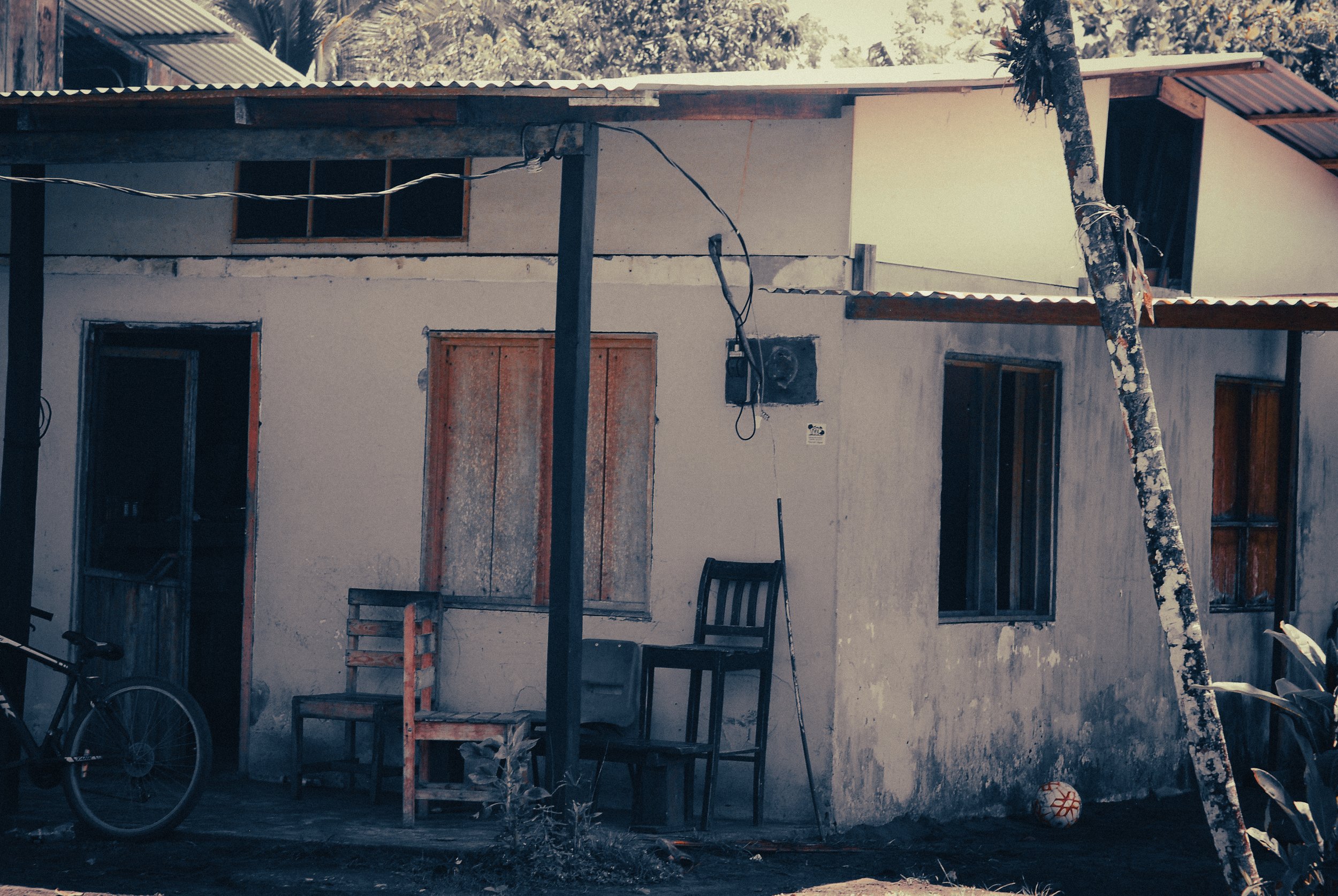
A simple local homestay in Parismina, Costa Rica, surrounded by quiet village life and Caribbean jungle.
I stayed somewhere very simple, very affordable, and exactly right for the kind of traveller who is not looking for luxury.
Amaya’s Hostel in Parismina is a place was run by an American woman from Florida who came here, fell in love with the village, and never really left. Those stories always sound dramatic until you arrive somewhere like Parismina and think, actually, I understand. Do not expect polished comfort. Expect basic rooms, local rhythm, heat, humidity, and the feeling that you are staying inside a real village rather than beside one. For me, that was the point.
If you are looking for resorts, air conditioning, perfect WiFi, and someone to remove every inconvenience from your path, Parismina is probably not your place. If you want cheap accommodation in a remote Costa Rica village, close to turtle conservation, canals, wildlife, and the Caribbean sea, then it starts to make sense very quickly.
Volunteering with turtles in Parismina
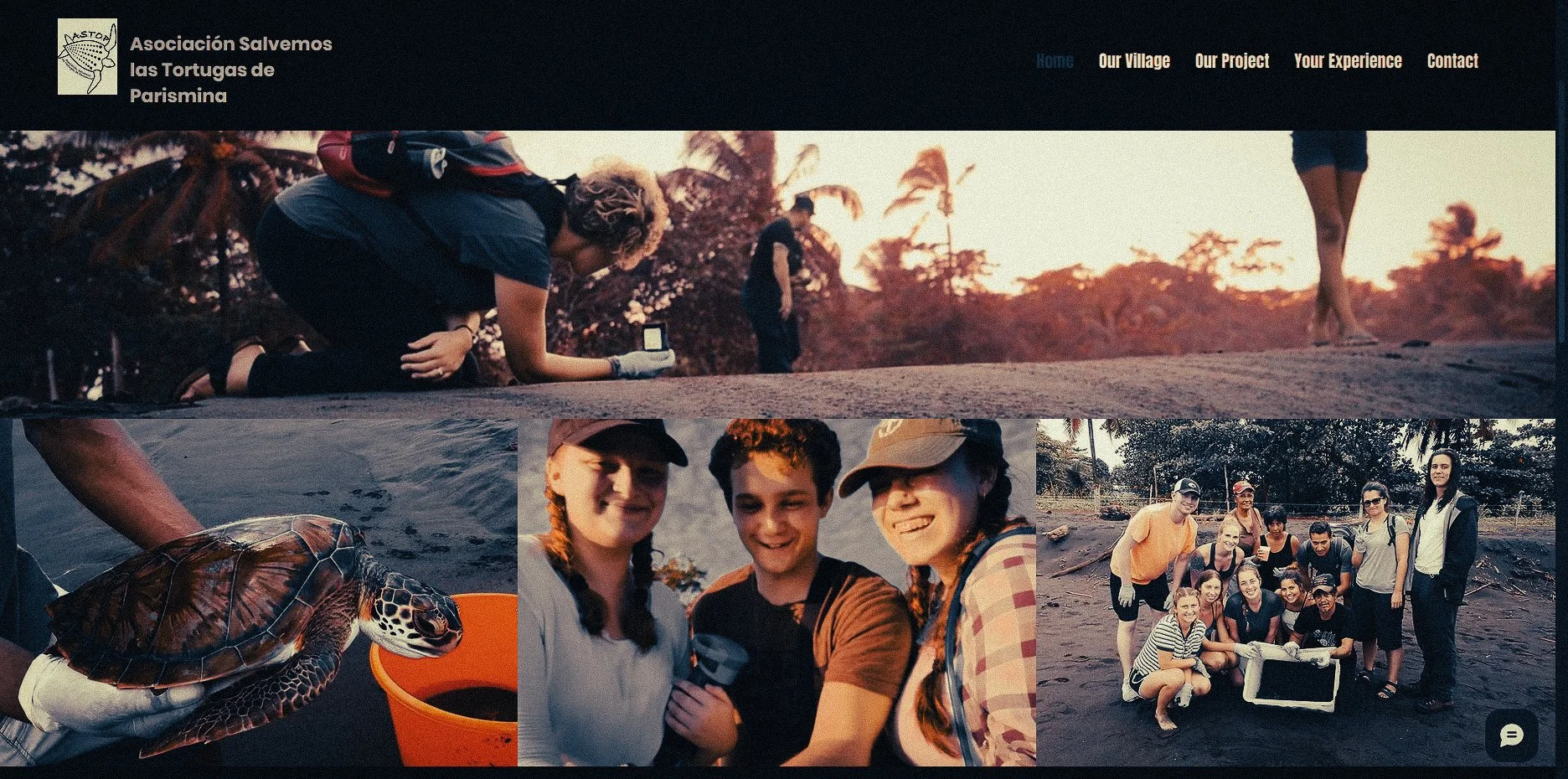
Turtle conservation volunteers in Parismina, Costa Rica, helping with beach patrols, monitoring, and local wildlife protection.
If you want to do more than just visit, look into ASTOP. It's the local turtle conservation project in Parismina. Volunteers help with night patrols, turtle monitoring, hatchery duties, and community work. Their team walks the beach at night to monitor nesting turtles and protect eggs, and volunteers usually stay with local homestay families, which means the money supports the village directly instead of floating away into the usual tourism machine. This is one of the strongest reasons to come to Parismina instead of only passing through El Tortuguero. You are not just consuming wildlife instead you can take part, even in a small way, in protecting it.
How to get to Parismina from San José
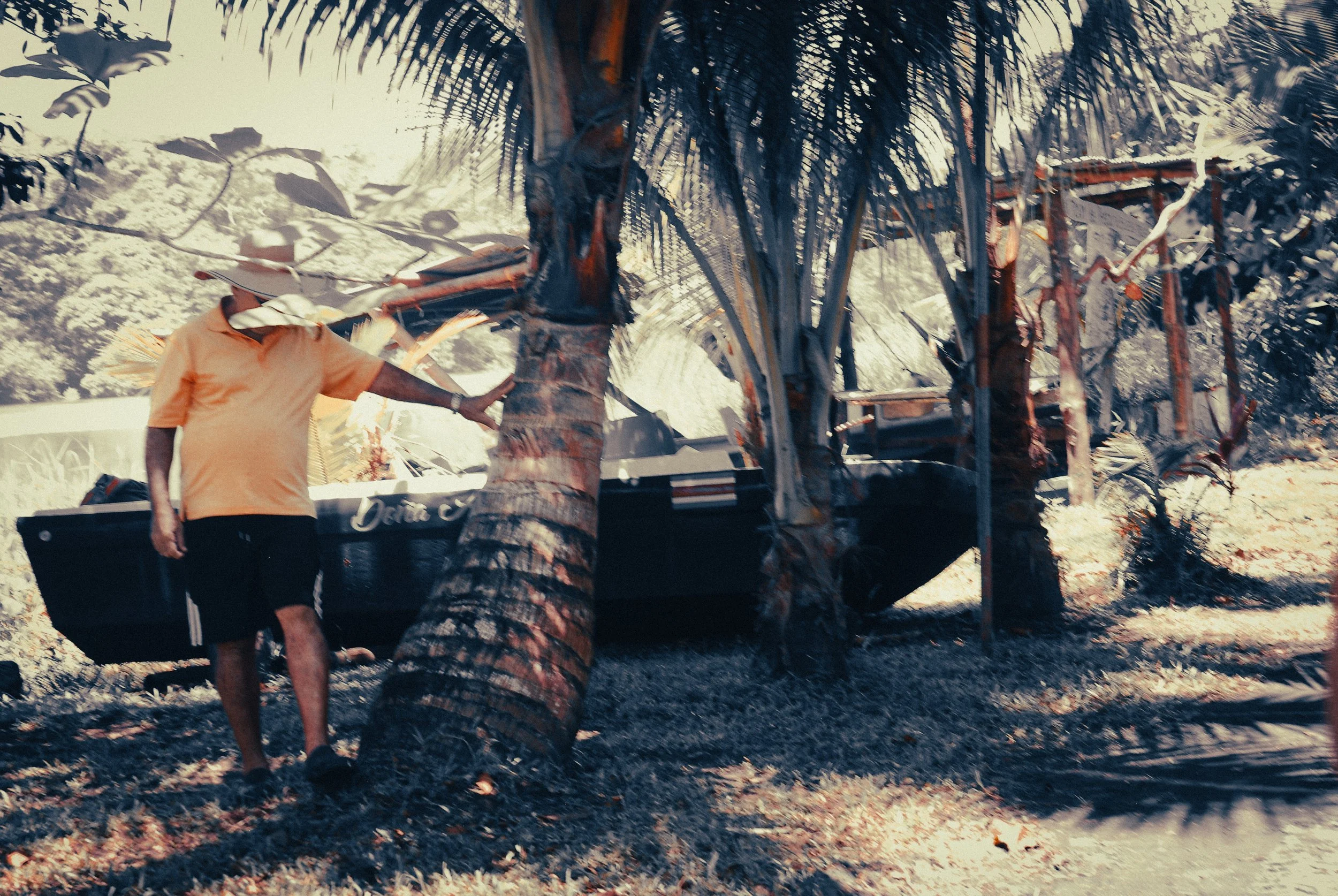
Caño Blanco
The final boat connection to Parismina from Caño Blanco, after travelling from San José by bus.
Getting to Parismina is part of the experience. I started in San José at Hostel Trianon, a simple and cheap place run by an amazing woman. Nothing fancy, but safe, kind, and with a very affordable breakfast that was actually good (great coffee). For one night before heading into the Caribbean side, it made sense.
From San José, you need to get to the Caribeños / Caribeña bus terminal and take the bus towards Siquirres. From Siquirres, you take another bus towards Caño Blanco. And then the road ends. That is the part I loved. Because suddenly you are not just moving across Costa Rica anymore. You are leaving the normal route behind. At Caño Blanco, land stops pretending it can take you all the way, and the rest is by boat. From there, you get into the canals and continue towards Parismina by water.
Jungle on both sides. Heavy air. No clear sense of where one place ends and another begins. By the time you arrive, you have already been changed a little. Not dramatically. Not in a fake “travel transformed me” way. Just enough to understand that Parismina is not somewhere you accidentally pass through. You choose it. And that makes all the difference.