Costa Rica
Beyond the polished route
Weather In Costa Rica
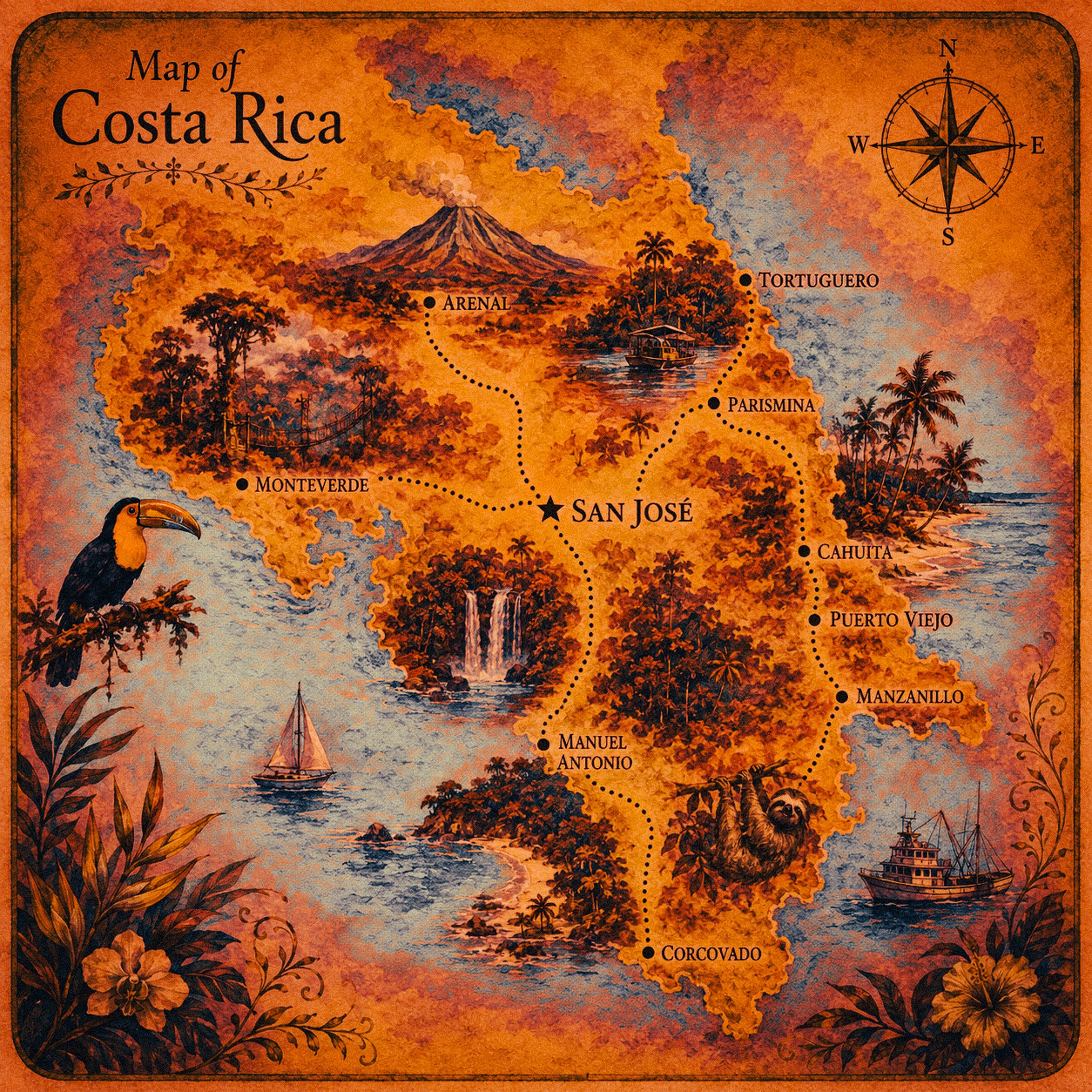
Costa Rica is warm all year, but the weather depends heavily on the coast. The dry season usually runs from December to April, especially on the Pacific side. From May to November, expect greener jungle, heavier rain, and muddy little adventures.
Weather In Costa Rica
Best time to travel: December–April.
Costa Rica From the Wild Side
Costa Rica Through Its Artists
Costa Rica is not only rainforest, beaches, and wildlife. Long before it became a place people visited for zip-lines and “pura vida” selfies, it was already home to Indigenous communities with their own languages, stories, symbols, and ways of seeing the land.
The ancestral art of Costa Rica’s Indigenous peoples is not decoration. It is memory. You see it in Boruca masks, woven pieces, carved forms, natural dyes, ceremonial patterns, and the way animals, spirits, forests, and ancestors appear again and again. It tells you something deeper about the country than any beach photo ever will.
If you have the chance to visit Indigenous communities, do it with respect. Go through community-led projects, buy directly from local artisans, ask before taking photos, listen more than you speak, and do not treat people like a museum display with Wi-Fi. These visits are worth it because they show you Costa Rica from the inside: land, identity, survival, art, and memory still alive. Discover more through the icons.
Books to read while travelling through Costa Rica
Costa Rica has a strange problem: everyone writes about travelling there, but not enough Costa Rican literature is easy to find in English. Especially from the Caribbean side, which is honestly rude considering how much history lives there.
So this list is not about jungle fantasy or someone “finding themselves” near a waterfall. These are books that take you closer to the country underneath the green: Afro-Caribbean identity, banana coast history, migration, memory, family, race, silence, and the side of Costa Rica that the brochures usually pretend is just palm trees and pura vida.
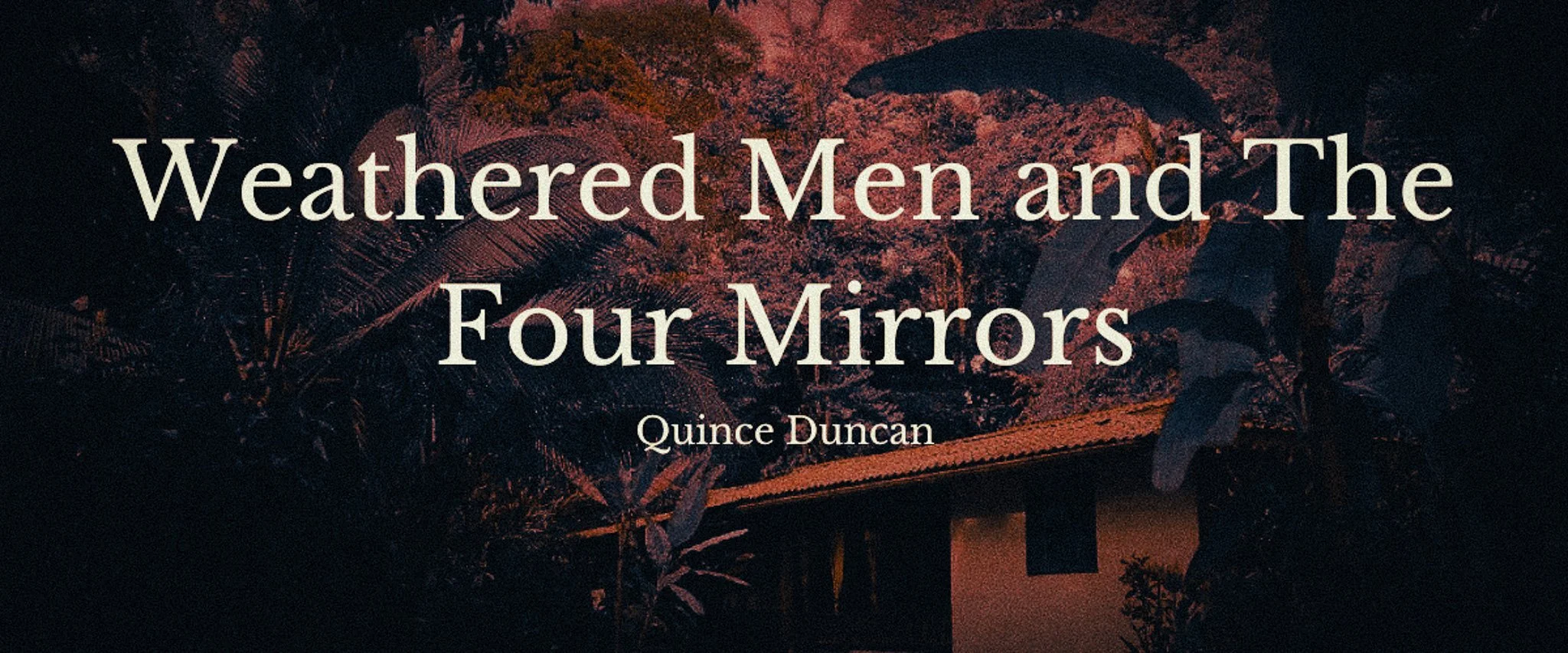
Weathered Men and The Four Mirrors
Quince Duncan
Best read in: Limón, Puerto Viejo, Cahuita, Parismina, the Caribbean coast
This is the one to read if you want the Caribbean side of Costa Rica to stop being just “vibes” and start becoming history.
Quince Duncan writes from the Afro-Costa Rican world: migration, race, memory, belonging, and the lives shaped by the Caribbean coast. It is not the glossy Costa Rica people sell you. It is older, sharper, and far more honest.
Read it in Limón, Puerto Viejo, Cahuita, or anywhere on the Caribbean side where the sea is beautiful but the history underneath it is anything but simple.
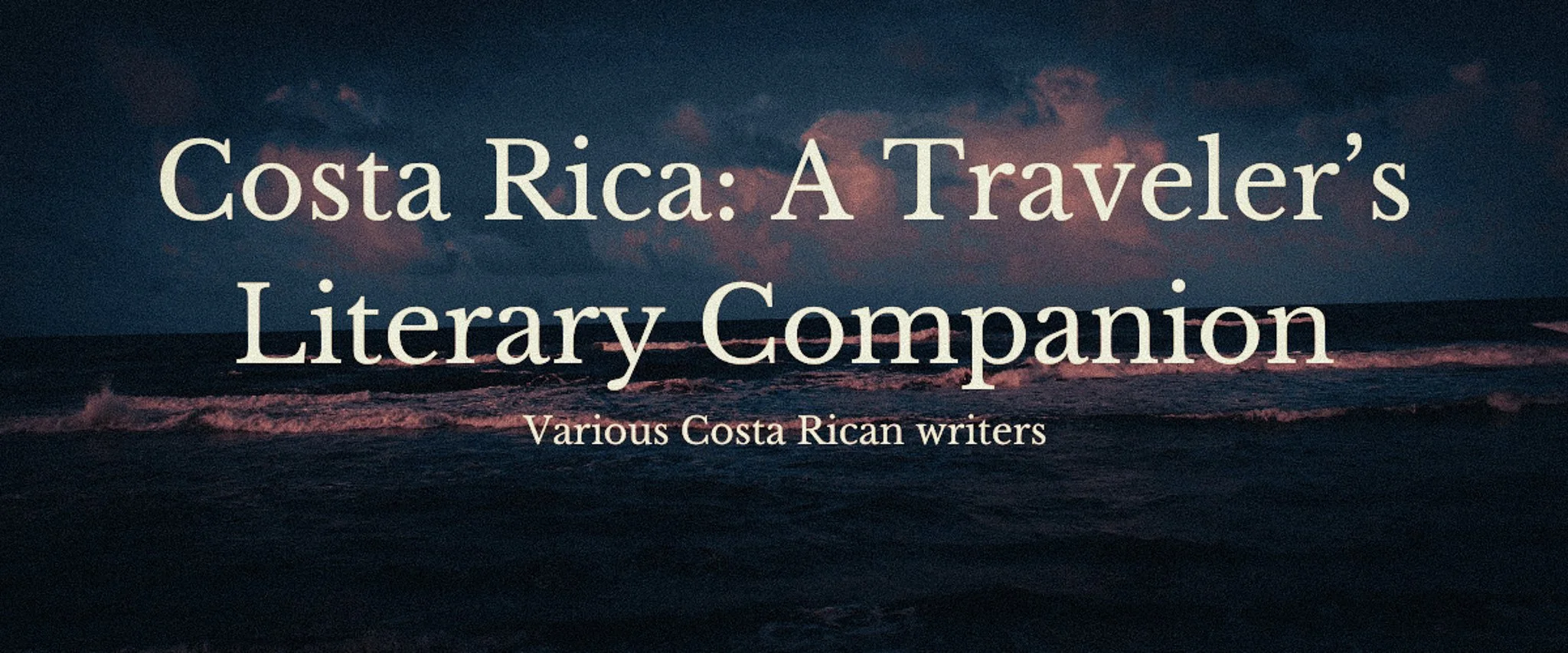
Costa Rica: A Traveler’s Literary Companion
Various Costa Rican writers
Best read in: San José, bus rides, rainy afternoons, anywhere in Costa Rica
This is not one big novel. It is a collection of Costa Rican voices, which honestly makes it perfect for travelling.
You can read one story on a bus, another before the rain starts, another after a muddy hike when your shoes look like they lost a fight with the earth. It gives you pieces of the country: villages, politics, cities, beaches, ordinary people, strange little moments, and the emotional texture that travel guides usually skip because apparently “top 10 waterfalls” is easier.
For English readers, this is one of the easiest ways into actual Costa Rican writing. Not expat fantasy. Not jungle self-help. Actual voices from the country.
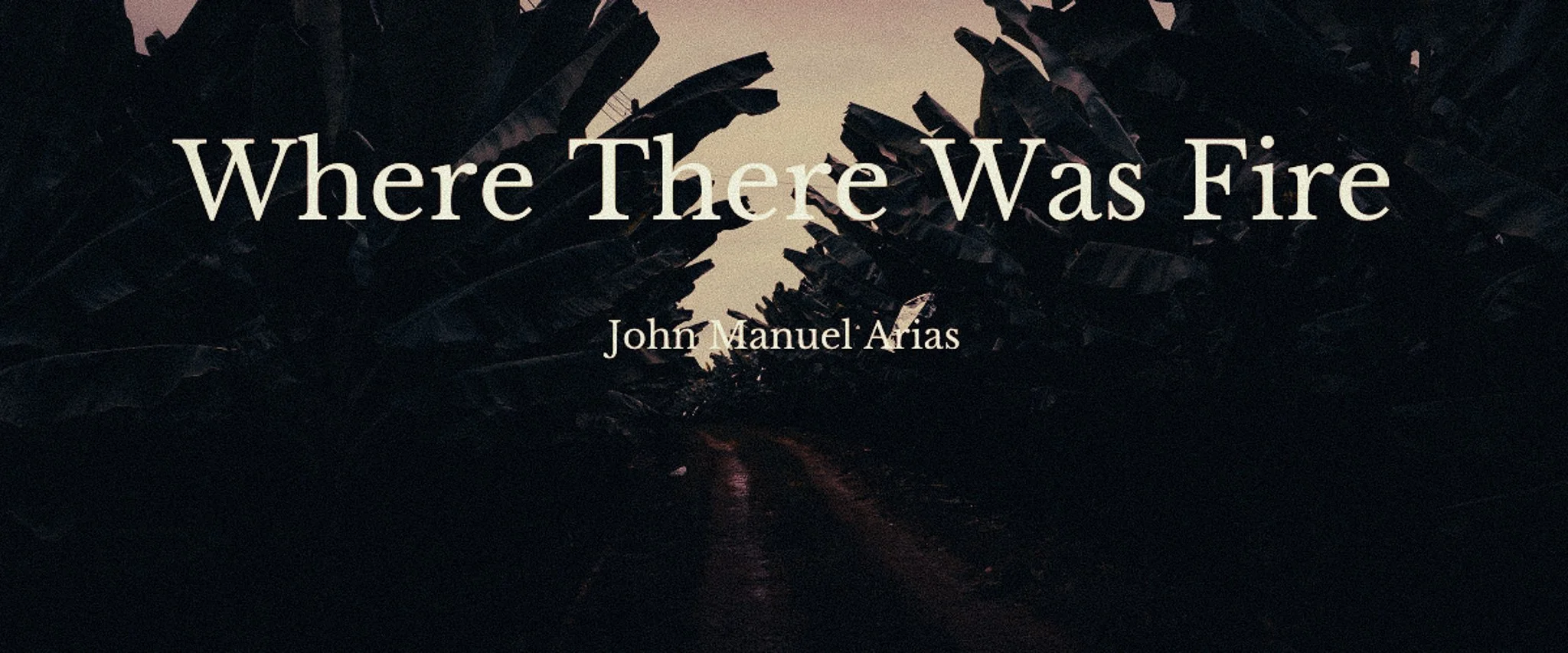
Where There Was Fire
John Manuel Arias
Best read in: Limón, banana country, Caribbean routes, stormy evenings
This one is not translated from Spanish, but I am including it because it belongs here. It is written by a Costa Rican-rooted author and it digs into the banana plantation history that shaped parts of the country, especially the Caribbean side.
This is Costa Rica under the shadow of bananas, fire, family secrets, and corporate greed. Very cheerful holiday reading, obviously.
But that is exactly why it matters. Costa Rica is not just waterfalls and sloths. The Caribbean side carries plantation history, displacement, labour, race, and silence. This novel turns that silence into a family story, and suddenly the landscape feels less pretty and more haunted.
Read it before or after travelling through Limón, Parismina, Puerto Viejo, or anywhere the jungle feels too beautiful to have such a complicated past.
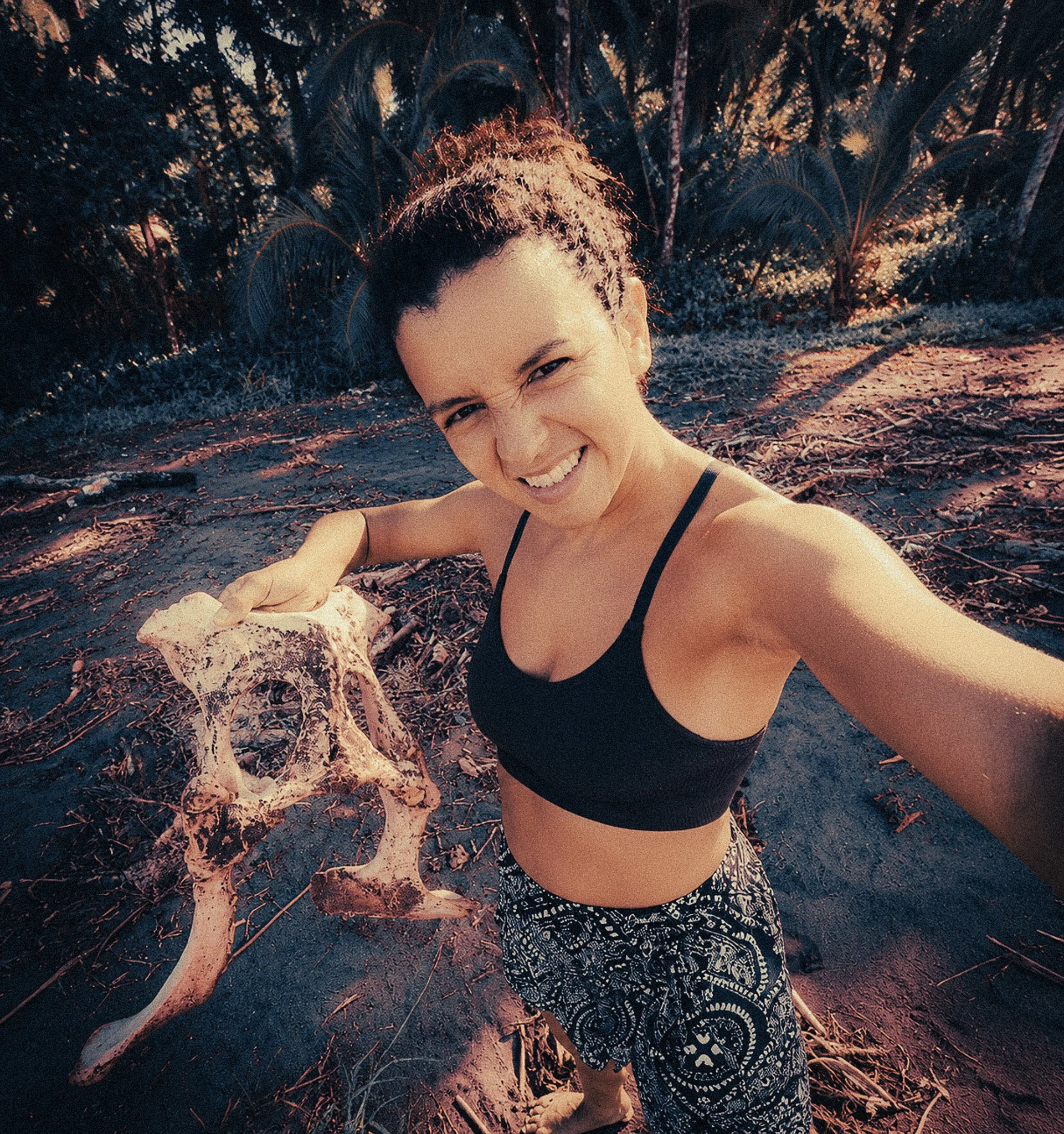
Costa Rica is famous for turtle conservation, but in Parismina the fight is far from over. I volunteered with ASTOP and saw how fragile the work still is.