Ethical Elephant Sanctuary Phuket: No Riding, No Bathing, No Feeding
I wanted to visit an elephant sanctuary in Phuket, but I had one rule: I didn’t want to ride, bathe, hug, kiss, feed, or force an elephant into becoming part of my travel memory.




And honestly, the more I searched, the more angry I got. Not because every tourist who books these places is cruel. I don’t believe that, I think a lot of people genuinely love animals. They see the word “sanctuary,” they see rescued elephants, they see smiling photos of people in muddy water, and they think they are helping.
But the owners? The companies? The people selling these experiences? They should know better. Because if an elephant has to be controlled, positioned, trained, touched, washed, fed on command, or made safe enough for strangers to climb all over its personal space, then we need to stop pretending this is just compassion. A sanctuary should not be a circus wearing a green leaf logo.
IN A RUSH?
Check Ethical Elephant Sanctuary Availability
If you already know you want to visit an elephant sanctuary in Phuket, check dates first. Some of the better places do book up, because elephants are not waiting around for our chaotic little travel plans.
Check availability →Small warning from me: avoid places offering riding, bathing, tricks, chains, or forced contact. Ethical should mean elephant-first, not tourist-first with leaves on the logo.
This is why I started looking for an ethical elephant sanctuary in Phuket that does things differently: no riding, no bathing, no forced touching, and no tourist performance. Just elephants being allowed to exist without humans needing to turn their life into content.
Why “ethical elephant sanctuary” in Phuket is complicated
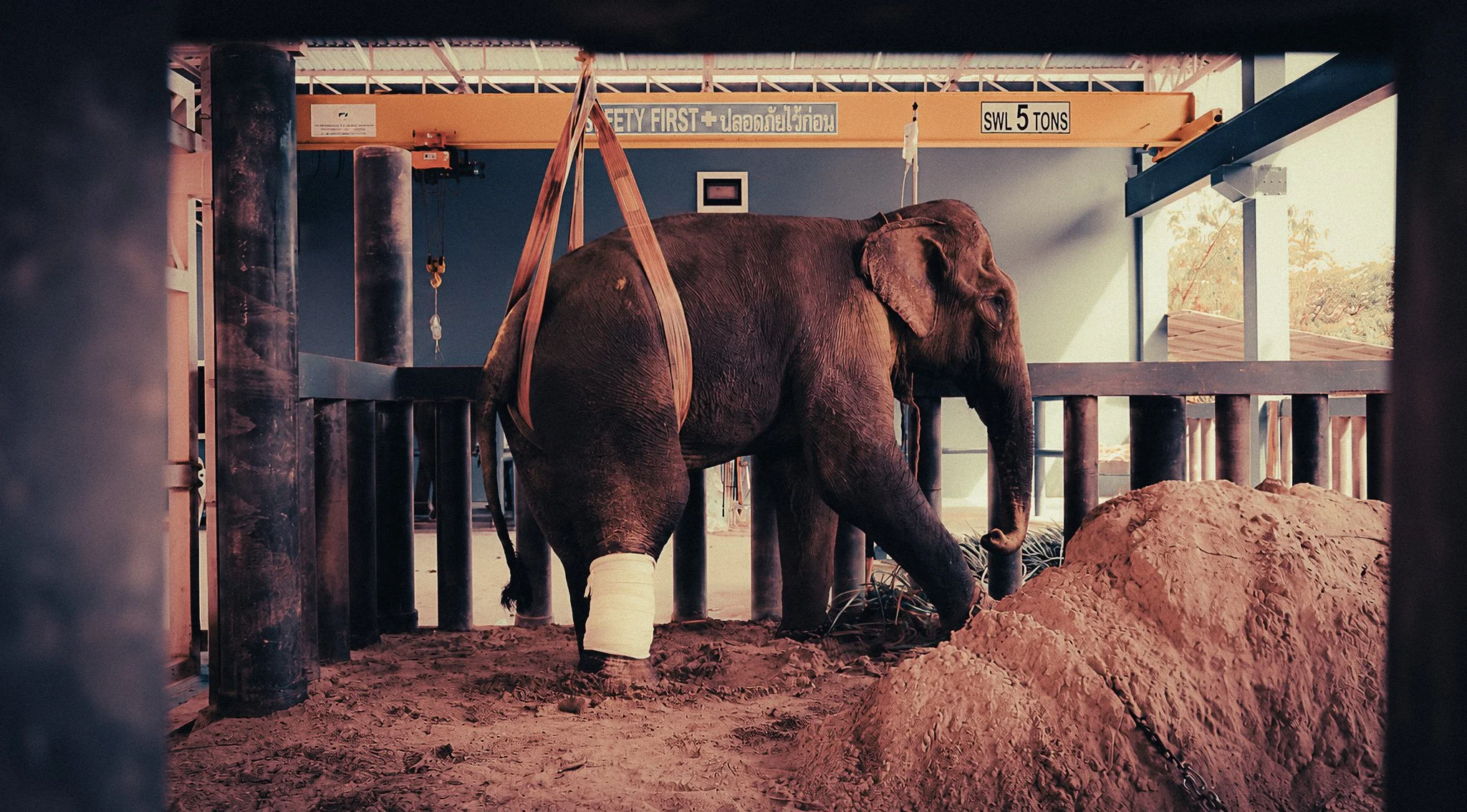
Not every elephant sanctuary moment is cute.
The word “sanctuary” sounds safe. It sounds soft, like rescue, healing, protection, and all the other things humans like to put in brochures before selling tickets. But “sanctuary” does not always mean ethical. Some places call themselves sanctuaries while still offering elephant bathing, mud spa sessions, hugging, kissing, feeding, posing, or close contact photo opportunities. They may not offer riding, which is good, but that does not automatically make everything else harmless.
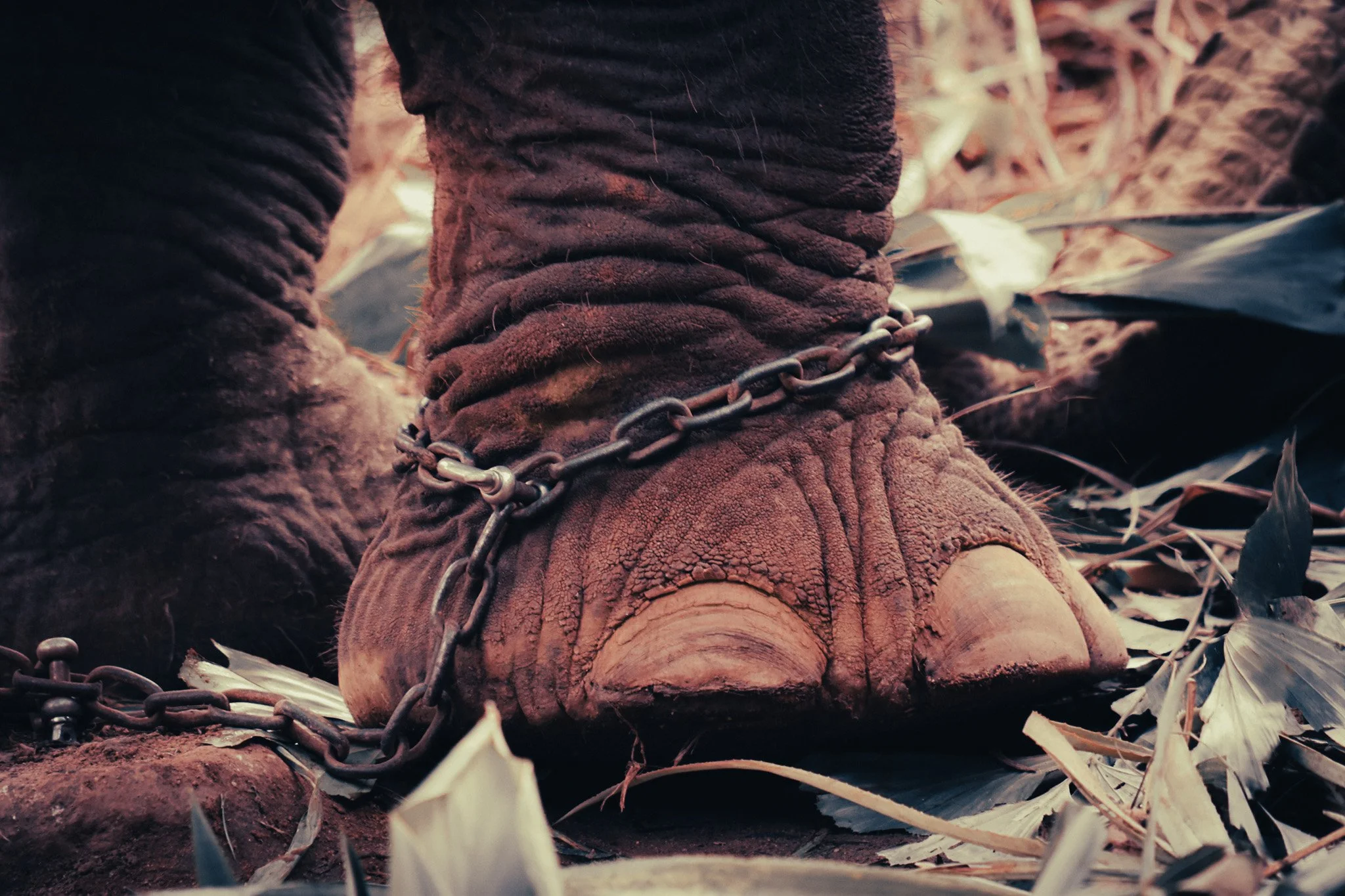
This is why I don’t trust the word “ethical” until I see what’s actually happening.
World Animal Protection’s elephant friendly guidance is very clear: the best elephant tourism is based on looking, not touching. They warn that if tourists are close enough to ride, bathe, or touch elephants, it usually means those elephants have been trained to tolerate that level of human contact. That is the part many people miss.
The problem is not always the tourist
I’ll be honest: at first, it infuriated me that tourists still book these places. I kept thinking, how do people not care? How do they see an elephant being scrubbed by strangers and not question it? How do they think a wild animal wants a line of humans splashing around next to it? Then I stopped myself. Because maybe they don’t know. Maybe they have been told this is rescue. Maybe they think feeding helps. Maybe they believe bathing is better than riding. Maybe they saw “ethical,” “sanctuary,” and “rescued elephants” and trusted the words.
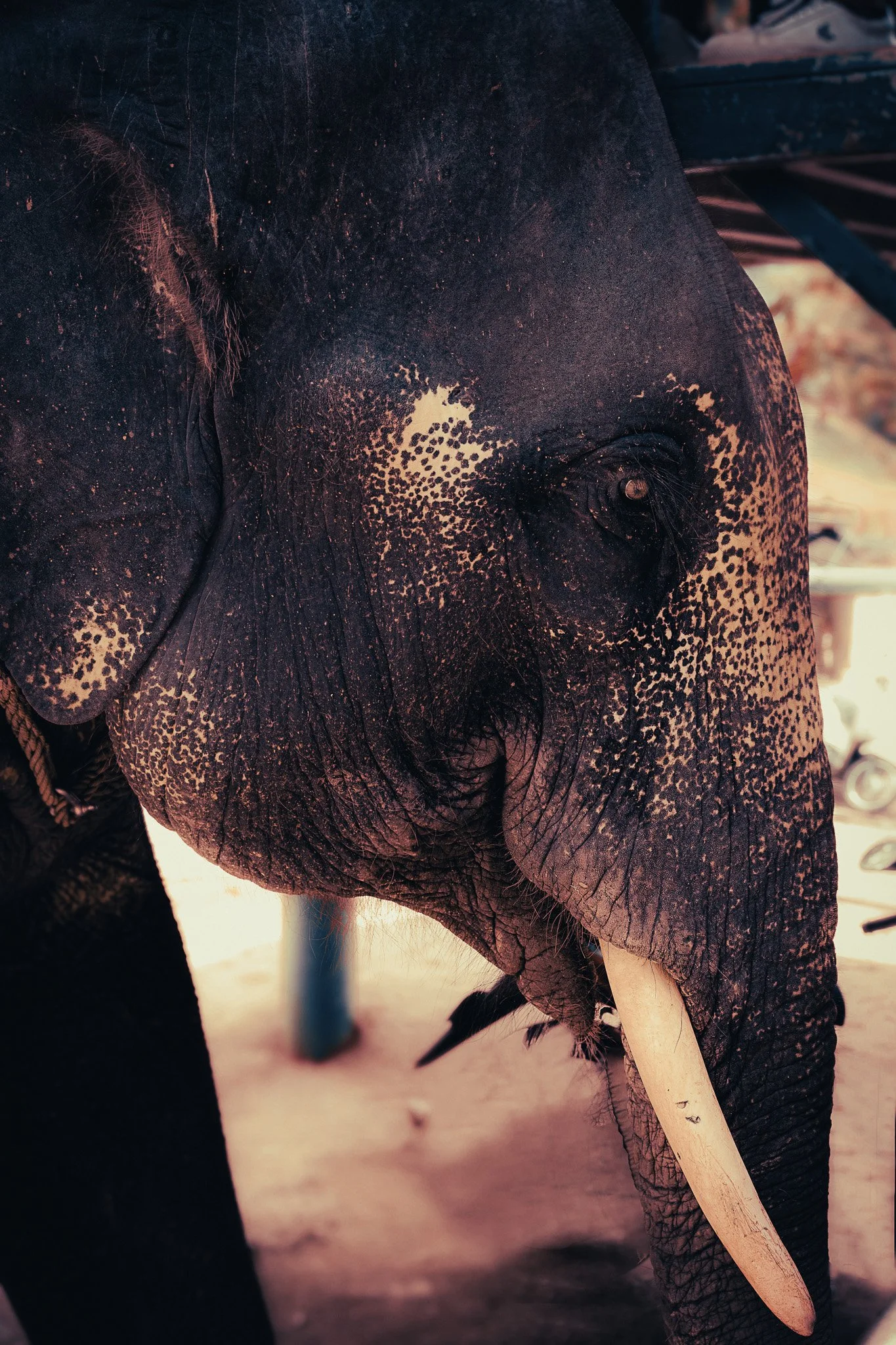
Beautiful face. Complicated story. That’s usually where the truth starts.
That is why I don’t think the blame sits equally. Tourists should learn, yes. We all should. But the owners, operators, and booking platforms should know exactly what they are selling. They know whether the elephant is being asked to perform. They know whether the bathing is natural or staged. So when a place still sells close contact elephant experiences and calls itself a sanctuary, I think that is deeply dishonest.
What makes an elephant sanctuary ethical?
An ethical elephant sanctuary should put the elephant first, even when that makes the experience less exciting for tourists. That means the visit should not be built around touching, bathing, riding, or posing. It should be built around observation, education, and giving the elephants space to move, forage, bathe, socialise, and behave as naturally as possible.
Green flags to look for
Look for places that offer:
No elephant riding
No shows or tricks
No painting
No forced bathing with tourists
No hugging, kissing, or posing
No baby elephants used for photos
Clear welfare policies
Education about each elephant’s background
Enough space for elephants to move and socialise
Experienced carers and veterinary support
A focus on long-term care, not tourist entertainment
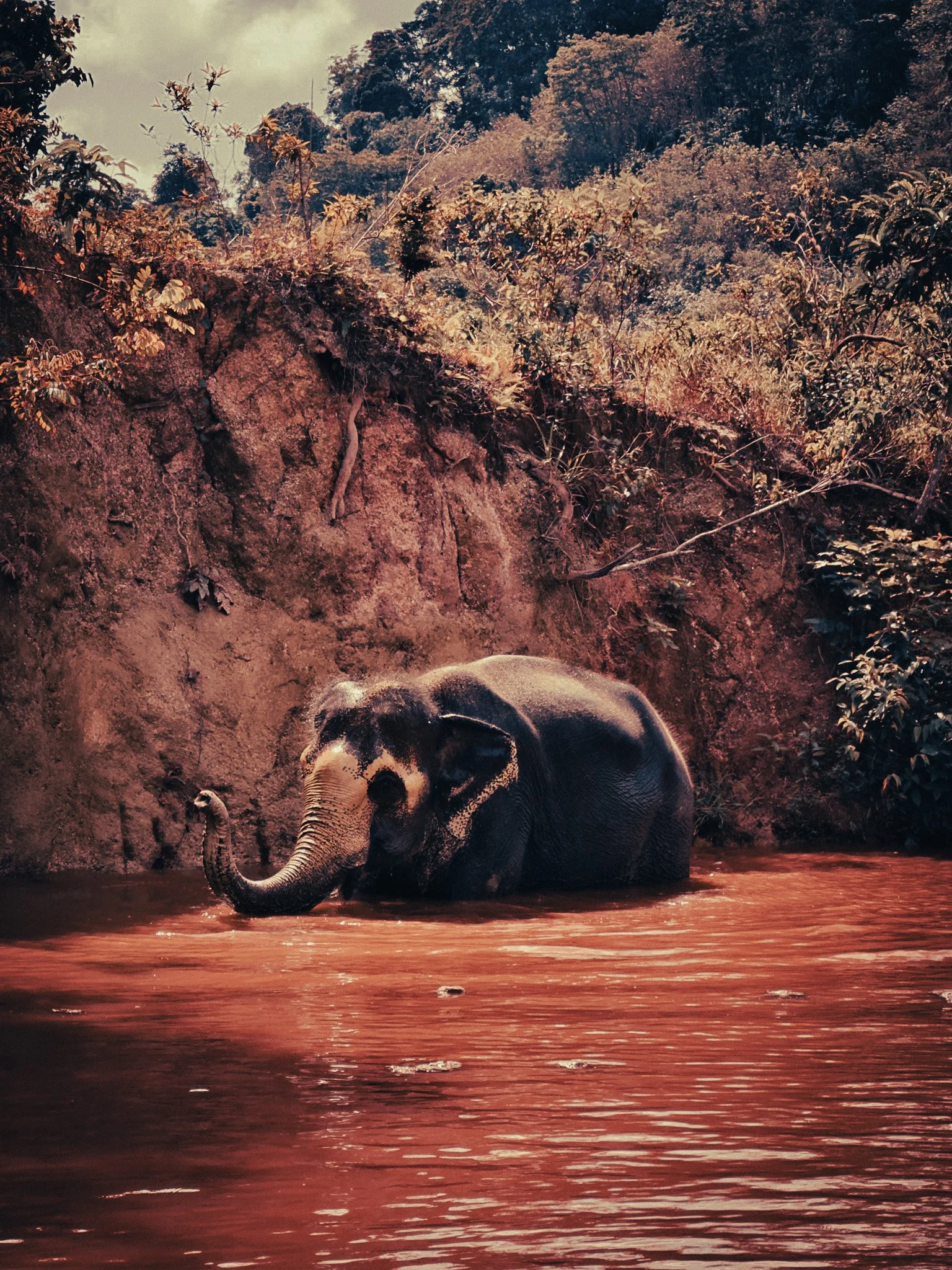
This is the kind of elephant moment tourists want. The harder part is checking what happens before and after the photo.
The most ethical elephant sanctuary in Phuket I found
After searching through the options, the strongest ethical choice I found in Phuket was Phuket Elephant Sanctuary, especially the observation-focused experiences where visitors can see rescued elephants without riding or bathing them.
Phuket Elephant Sanctuary describes itself as an observation-only experience and highlights its 500 metre canopy walkway, where visitors can watch elephants roam, forage, bathe, and socialise in 30 acres of tropical jungle.
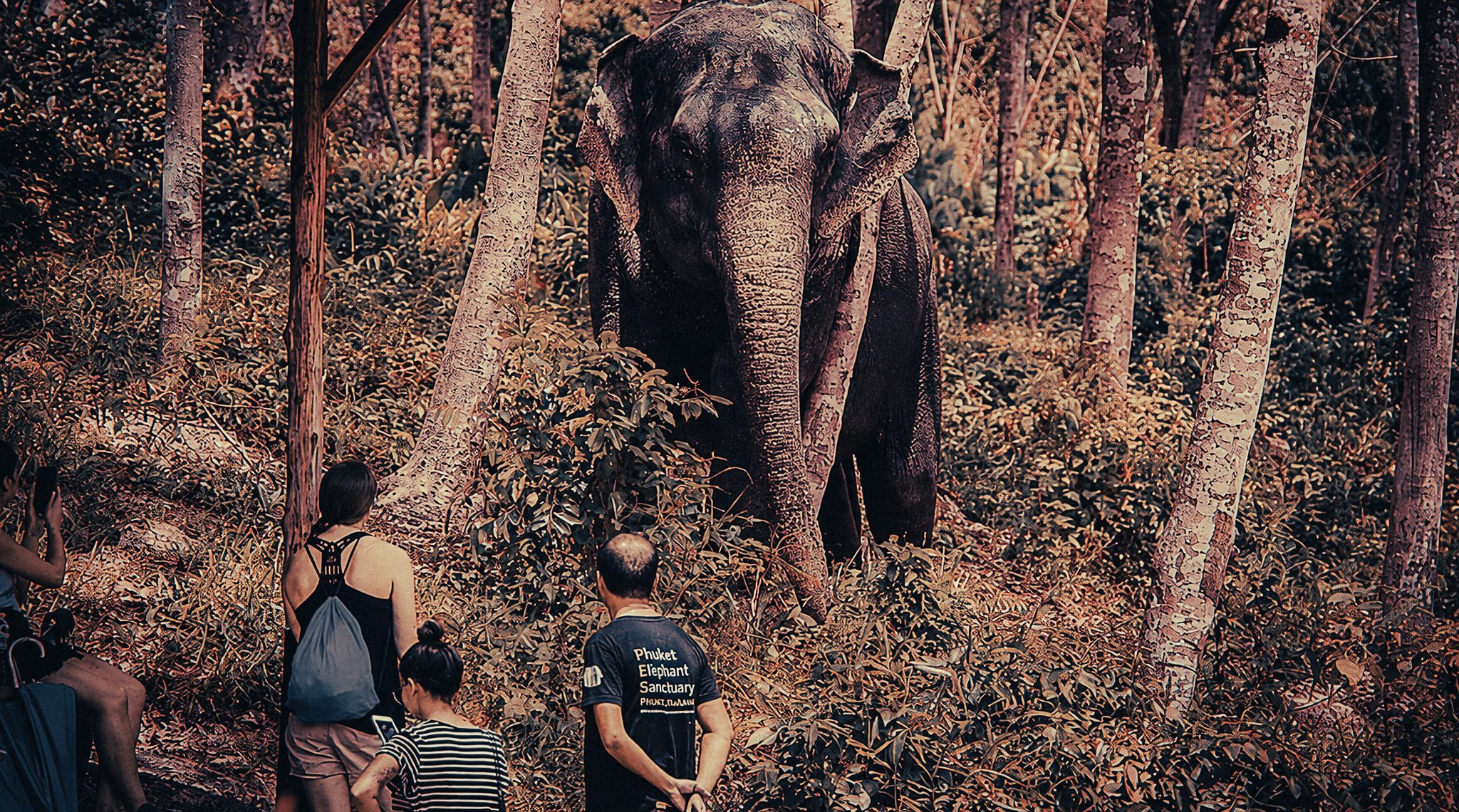
The nice version of elephant tourism: just watching. Should be enough.
This is the kind of experience I would personally feel more comfortable recommending: one where the elephants are not being asked to carry people, bathe with tourists, or stand around as emotional support animals for someone’s holiday photo album.
Is Phuket Elephant Sanctuary ethical?
From what I found, Phuket Elephant Sanctuary appears to be one of the stronger ethical options in Phuket because its model focuses heavily on rescue, education, observation. It is also important that they are moving away from feeding interactions. Their own website says they decided to discontinue all feeding interactions from 1 April 2026 to better align with natural elephant behaviour and wellbeing. That is a very important detail.
Because even feeding, which many people see as harmless, can become part of the tourist performance if elephants are expected to approach visitors again and again for food. Is it as bad as riding? No. But is the most ethical direction moving away from tourist-led interaction? I think yes.
I would rather watch an elephant completely ignore me than have it trained to walk over for my photo. That, to me, is the point.
Who this experience is best for
This kind of elephant sanctuary is best for:
Travellers who care about animal welfare
Families who want to teach children better wildlife ethics
Solo travellers looking for responsible things to do in Phuket
People who want to see elephants without riding or bathing
Anyone uncomfortable with animal entertainment
Travellers who want their money to support better tourism models
It is probably not for people who want a dramatic elephant selfie, a mud bath, or a hands-on animal experience.
If you are looking for more ethical wildlife and nature experiences in Thailand, Khao Sok National Park is a much better direction than most animal attractions. It is wild, green, dramatic, and built around jungle, lakes, limestone cliffs and the chance to experience nature without forcing animals to perform for tourists. I wrote a full guide to visiting Khao Sok here:
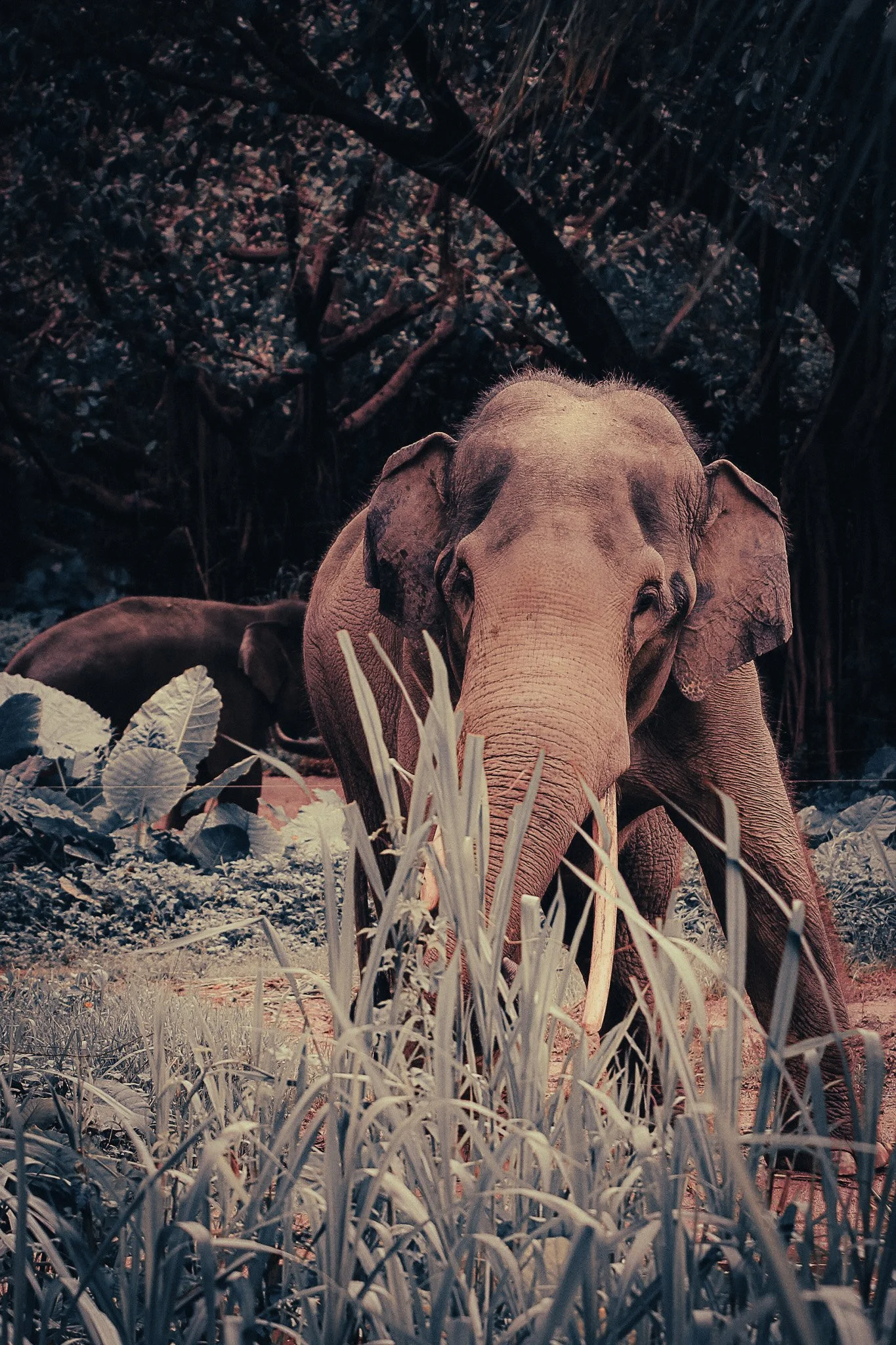
This is the version I want to see: space, plants, distance, and an elephant allowed to just be an elephant.
How to Get to Ethical Elephant Sanctuary Phuket
Most ethical elephant sanctuary visits in Phuket are easiest to reach by organised transfer, which they do offer. I would not overcomplicate this one, arrange transfer directly when booking with them or you can go by scooter if you renting one. You can also use GRAB app, that’s what I have been using mostly, but Phuket traffic can be quite stressful.
Final thoughts: choose the place where elephants owe you nothing
I understand why people want to see elephants in Thailand. I do too. They are extraordinary animals: intelligent, emotional and powerful creatures that make humans feel small in the best way. But loving animals does not mean needing access to their bodies.
You do not need to ride them to admire them.
You do not need to bathe them to help them.
You do not need to touch them to prove you care.
Sometimes the most ethical thing you can do is pay for their care, learn their story, and leave them alone. That is why, if I was choosing an elephant sanctuary in Phuket, I would choose one that lets elephants be elephants. Because a real sanctuary should not ask animals to perform freedom. It should give them as much of it as possible.