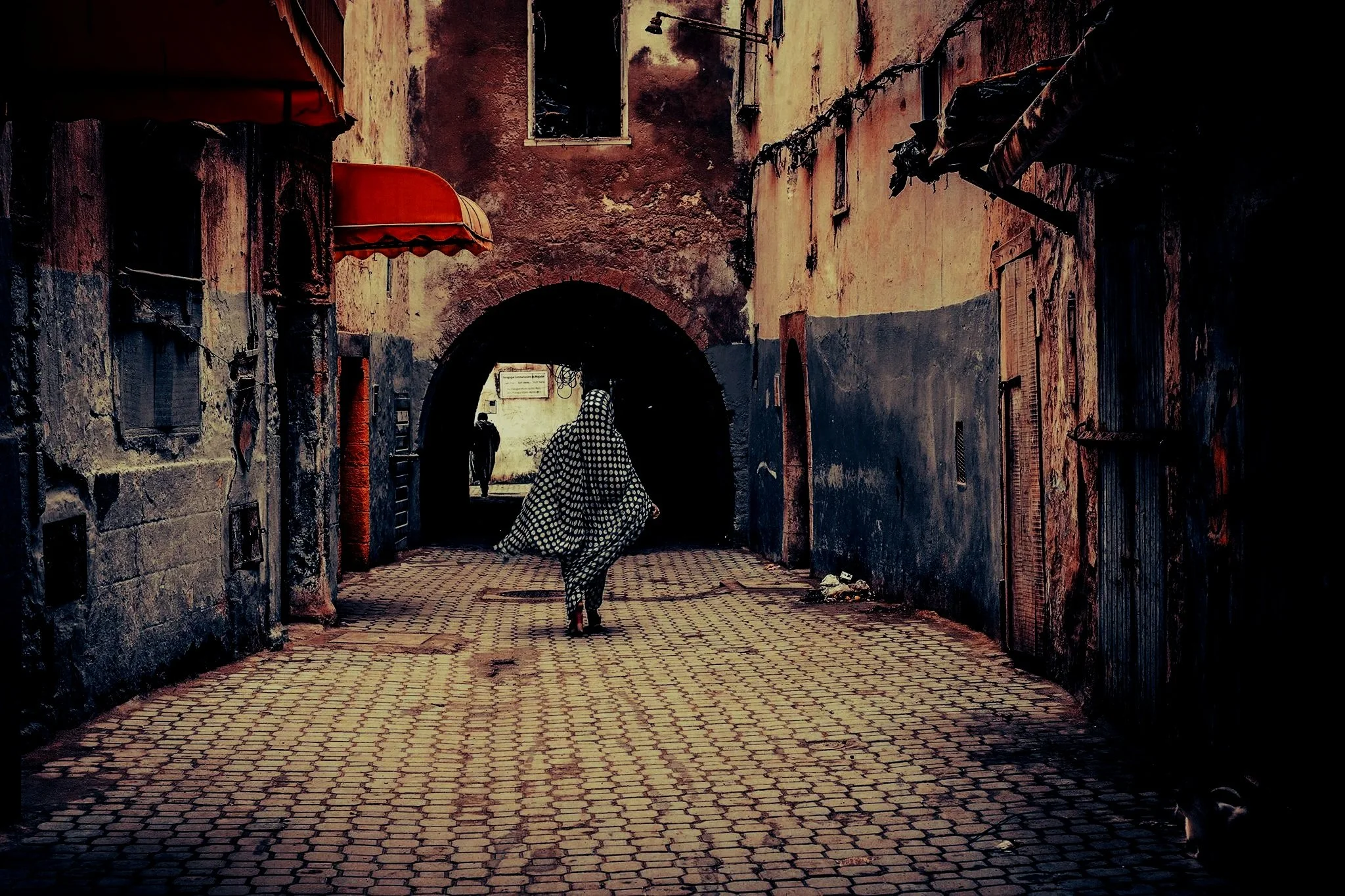
Morocco
Weather In Morocco
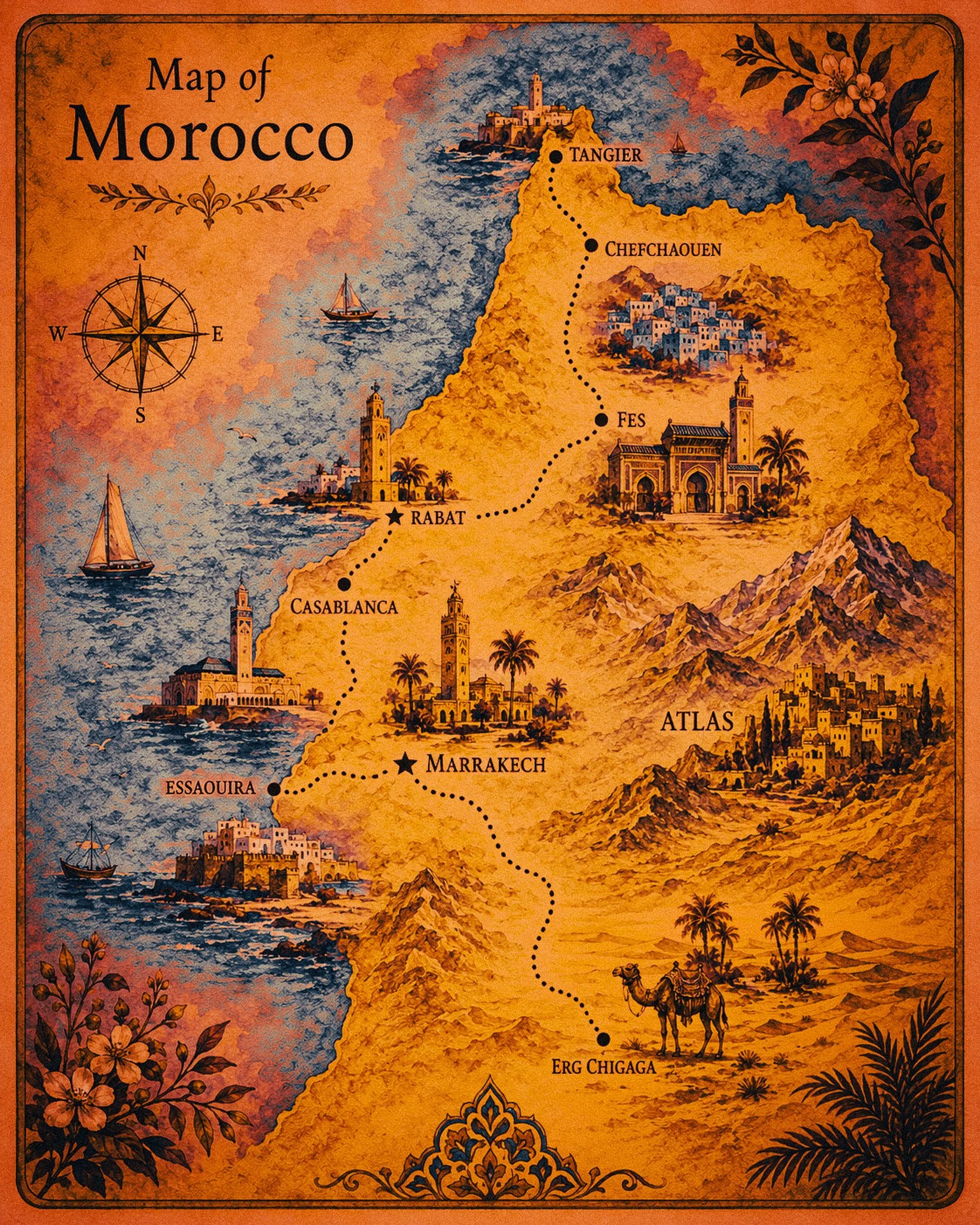
Morocco changes fast depending on where you are: coast, desert, mountains, or inland cities. Spring and autumn are usually the best time to travel. Summer can be brutal inland and in the desert, while winter is colder than people expect, especially in the mountains.
Weather In Morocco
Best time to travel: March–May and September–November.
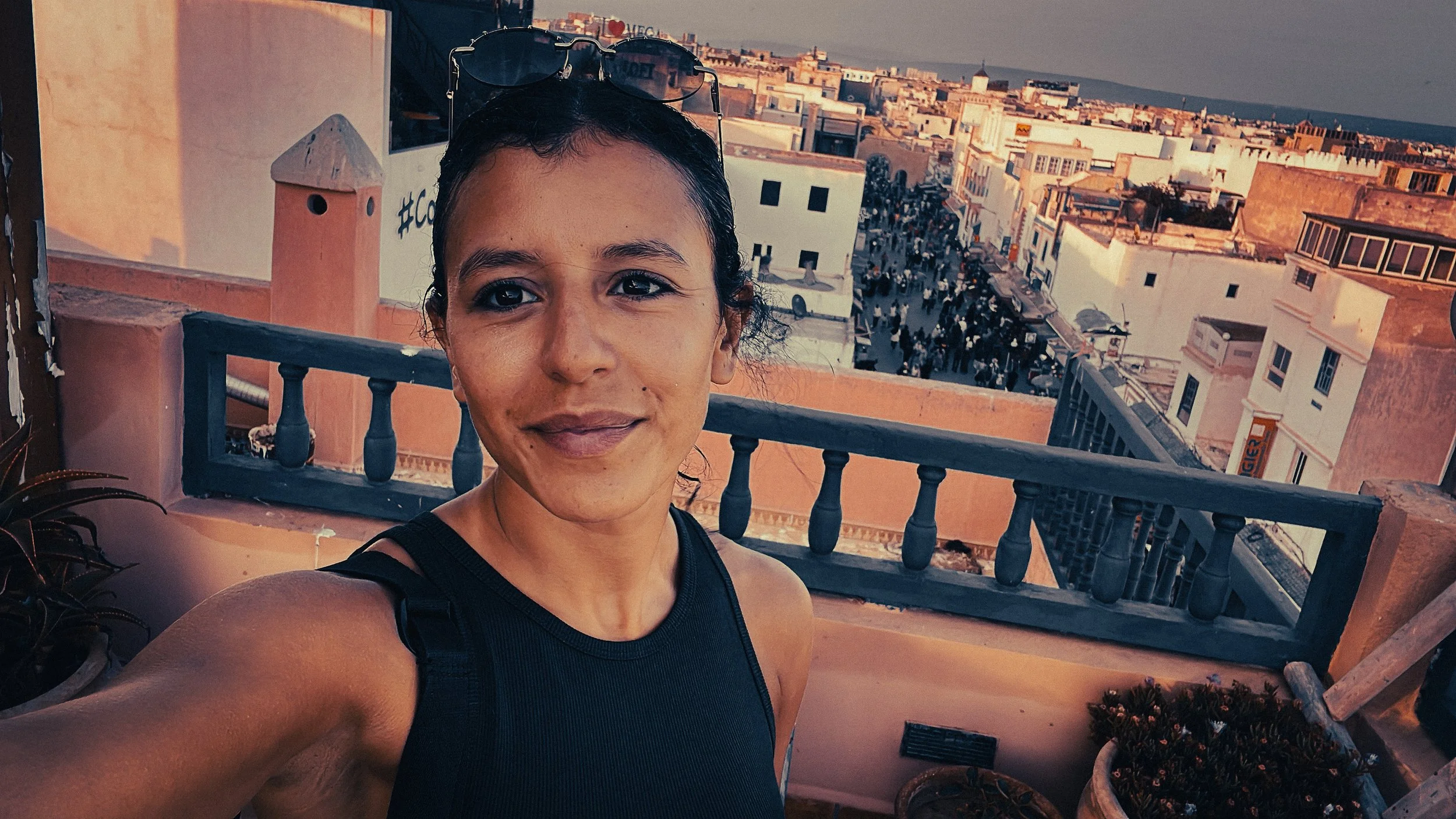
Morocco, Told by a Moroccan
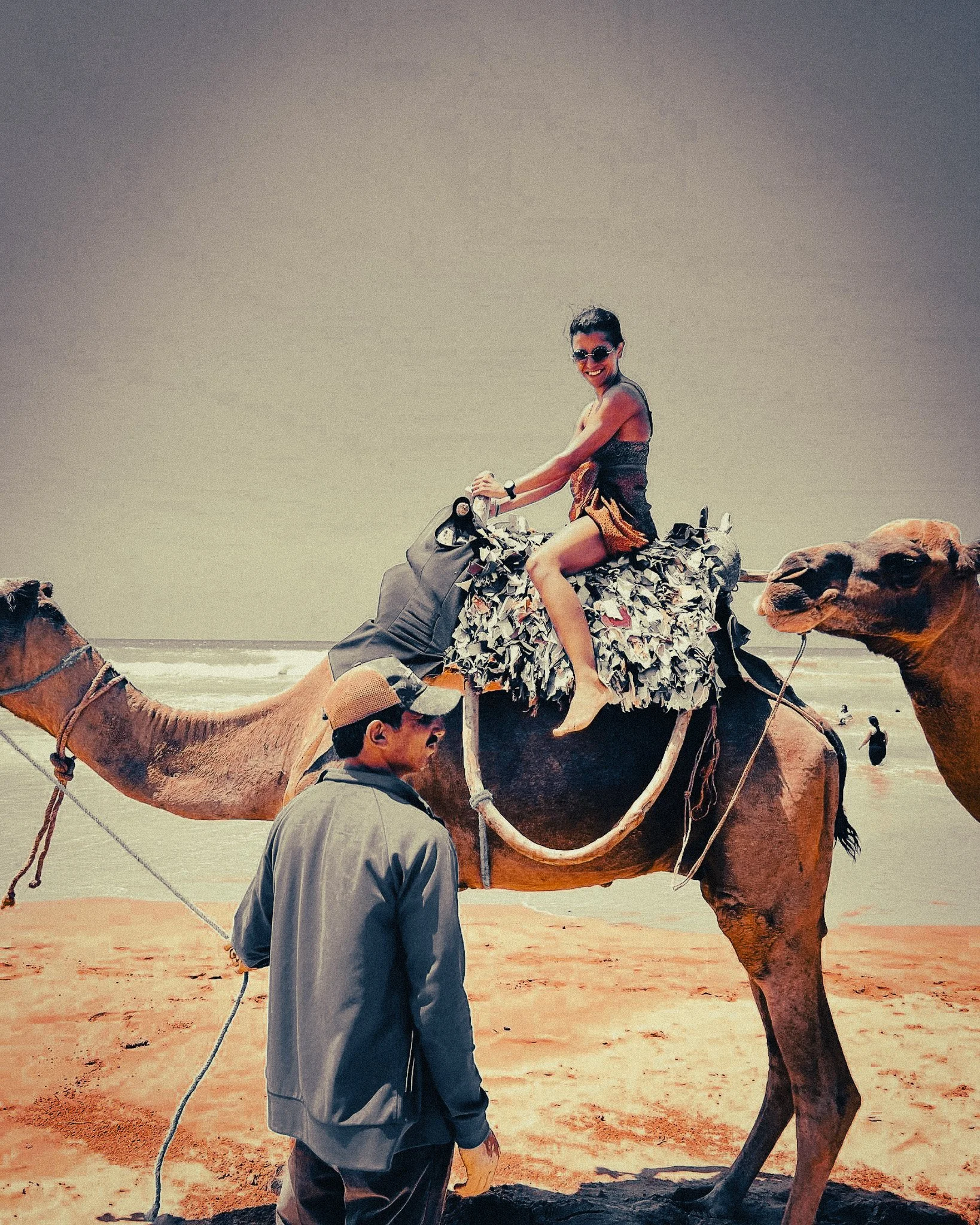
Morocco Through Art, Land & Memory
Morocco is not only medinas, deserts, riads, and people pretending they discovered mint tea. Before it became a postcard, it was already a layered country of Amazigh symbols, Islamic geometry, desert routes, mountain villages, coastal cities, oral stories, handmade craft, and old trade roads.
Moroccan art is not just something you buy in a souk and hang on a wall. It is memory. You see it in Amazigh tattoos and carpets, zellij tiles, carved wood, painted doors, pottery, jewellery, calligraphy, desert textiles, and the colours of old medinas that somehow look chaotic and perfect at the same time.
This is the Morocco I come from: not polished, not simplified, not reduced to “exotic” decor. Look deeper and you start seeing the country through its hands, patterns, materials, and stories. Discover more through the icons.
Books to read while travelling through Morocco
Morocco is not only medinas, desert camps, blue streets, and people pretending they are the first person to discover mint tea. If you want the country to feel deeper while you move through it, read something that carries exile, hunger, migration, survival, old empires, and the parts of Morocco that do not fit neatly into a postcard.
This list mixes Moroccan literature with one book that is not written by a Moroccan, but absolutely belongs here: Leo Africanus by Amin Maalouf. Because the story of Hassan al-Wazzan, born in Granada, raised in Fez, moving through North Africa, the Mediterranean, and Rome, carries the old Moroccan world in a way that deserves a place on this page.
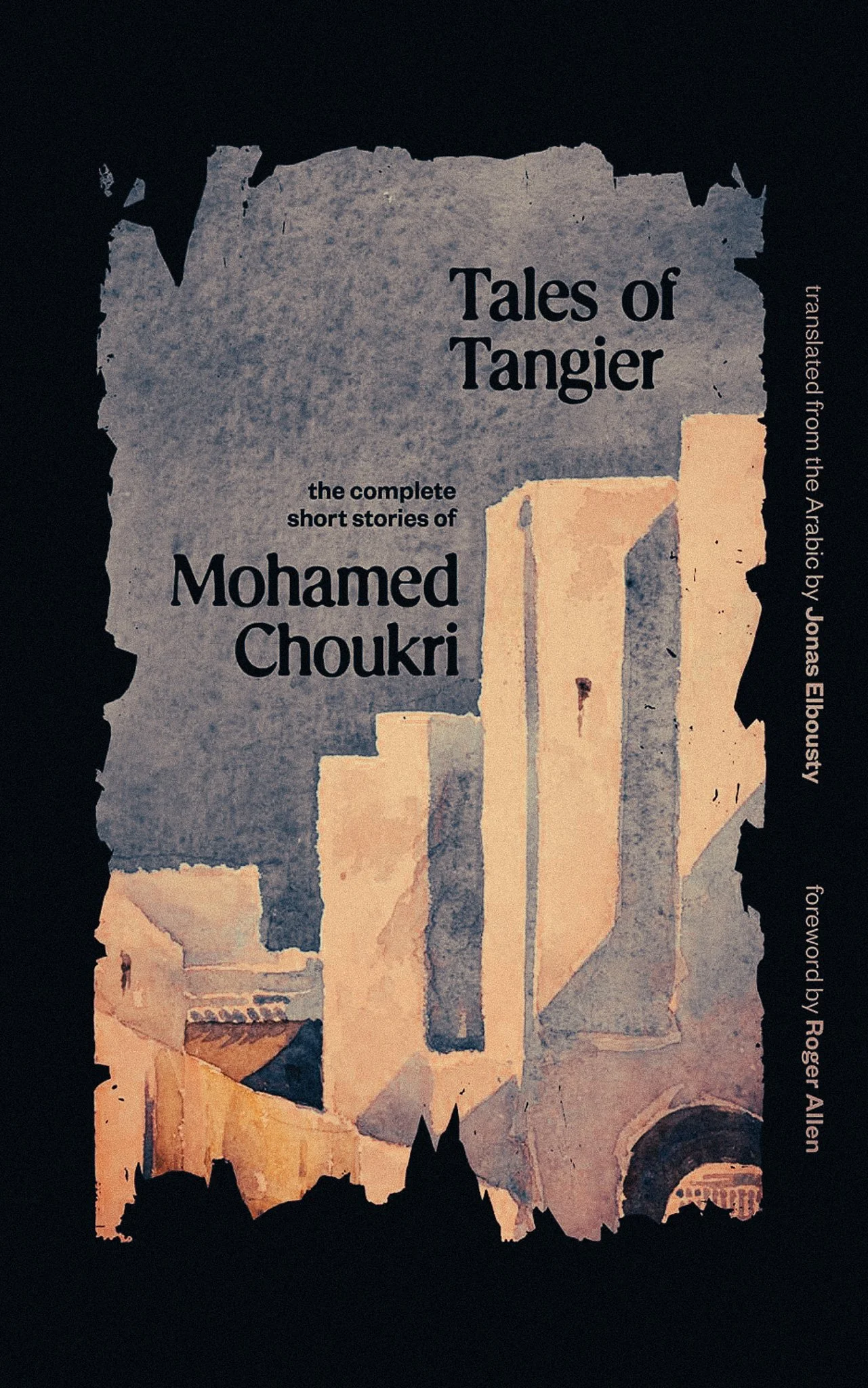
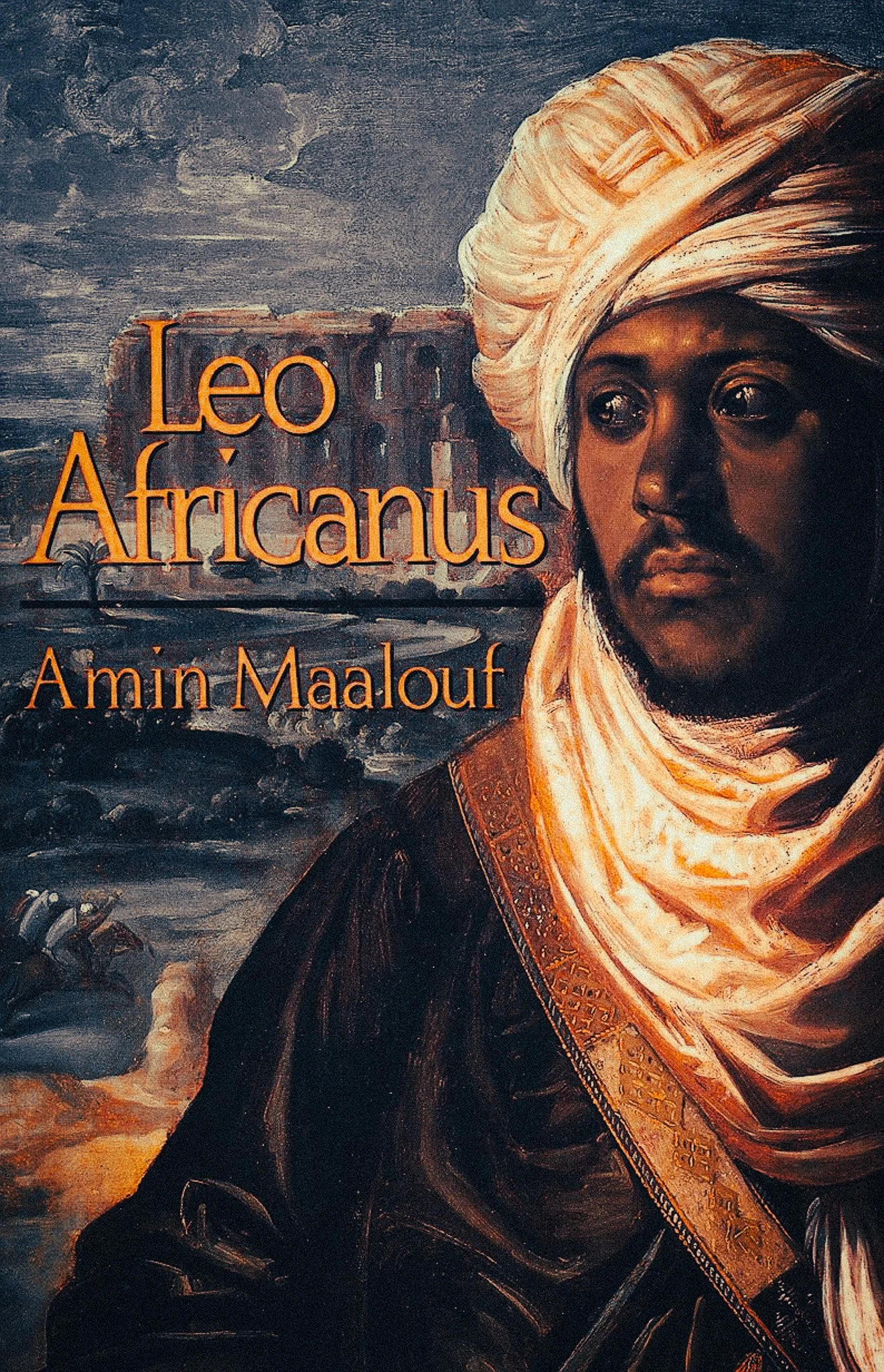
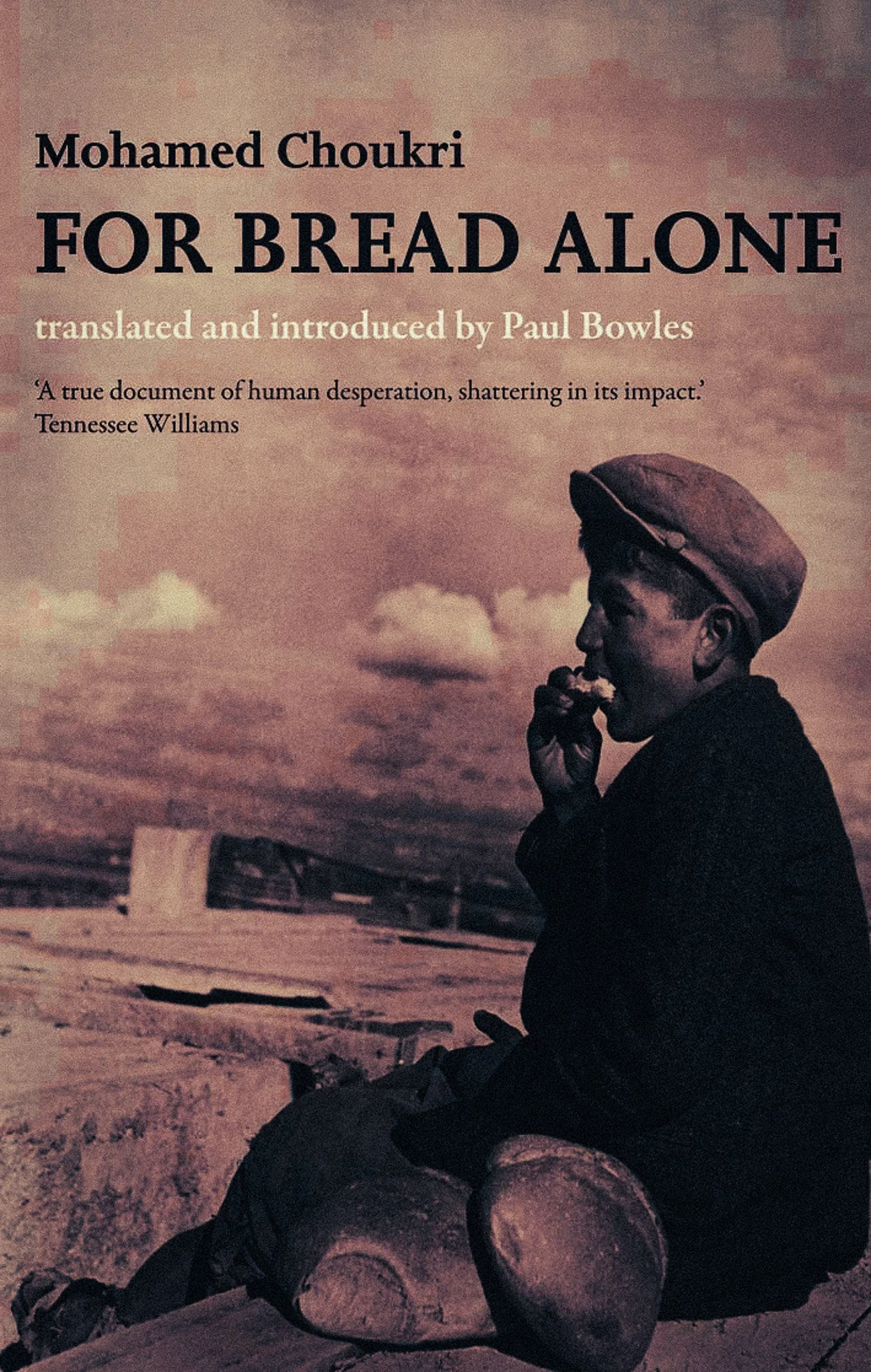
African Lion
Amin Maalouf
Best read in: Fez, Tangier, old medinas, ferry routes, anywhere between Morocco and Andalusia
This is the book to read if you want Morocco to feel bigger than the modern border.
Leo Africanus follows the imagined life of Hassan al-Wazzan, a man shaped by Granada, Fez, North Africa, the Mediterranean, exile, knowledge, faith, politics, and survival. It feels like walking through the old world before Europe and Africa were divided so neatly in people’s heads.
Read it in Fez, Tangier, or while thinking about the connection between Morocco and Andalusia. It gives Morocco that layered historical weight: exile, scholarship, trade, conquest, identity, and movement. Basically, the opposite of a “3 days in Marrakech” guide written by someone who got lost once and called it culture.
For Bread Alone
Mohamed Choukri
Best read in: Tangier, Tetouan, northern Morocco, old streets that do not pretend to be pretty
This is Morocco with the skin peeled back.
For Bread Alone is raw, hungry, violent, poor, honest, and uncomfortable. It is not the Morocco sold in polished riad photos. It is survival, shame, street life, childhood, hunger, and the kind of truth people often prefer to hide because it ruins the nice aesthetic.
Read it in Tangier or northern Morocco, where Choukri’s world feels closest. Not because it is “beautiful,” but because it makes the streets heavier. And sometimes that is the only way to understand a place properly.
Hope and Other Dangerous Pursuits
Laila Lalami
Best read in: Tangier, the Strait of Gibraltar, ferry routes, northern Morocco, airports, border towns
This book belongs to the Morocco of leaving.
It follows Moroccans who risk crossing into Spain, and it gives each person a life before the crossing: their family, fear, ambition, shame, love, and desperation. Migration is often talked about like a statistic, because apparently humans enjoy removing the human part from human stories. This book puts the human part back.
Read it near Tangier, on the coast, or anywhere you can feel how close Europe looks and how far it actually is. It turns the Strait of Gibraltar into more than water. It becomes a line between hope and danger, which is exactly the point.
he Morocco Sahara Desert is not one simple trip. This guide explains the difference between Erg Chigaga, Merzouga, Agafay and Western Sahara, plus how to choose a desert camp, avoid rushed Marrakech tours and book the right desert experience.