7-day Costa Brava Itinerary from Barcelona
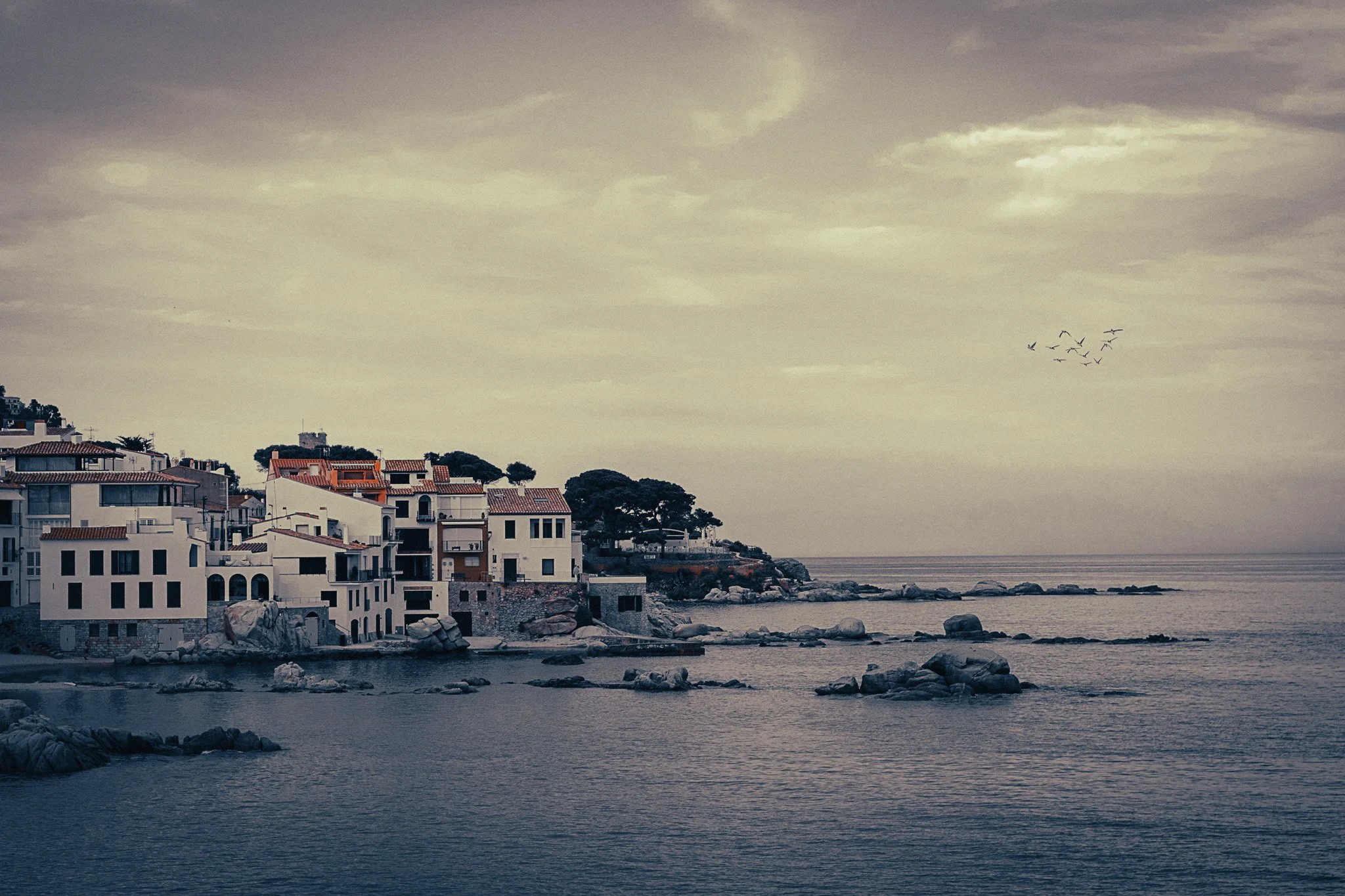
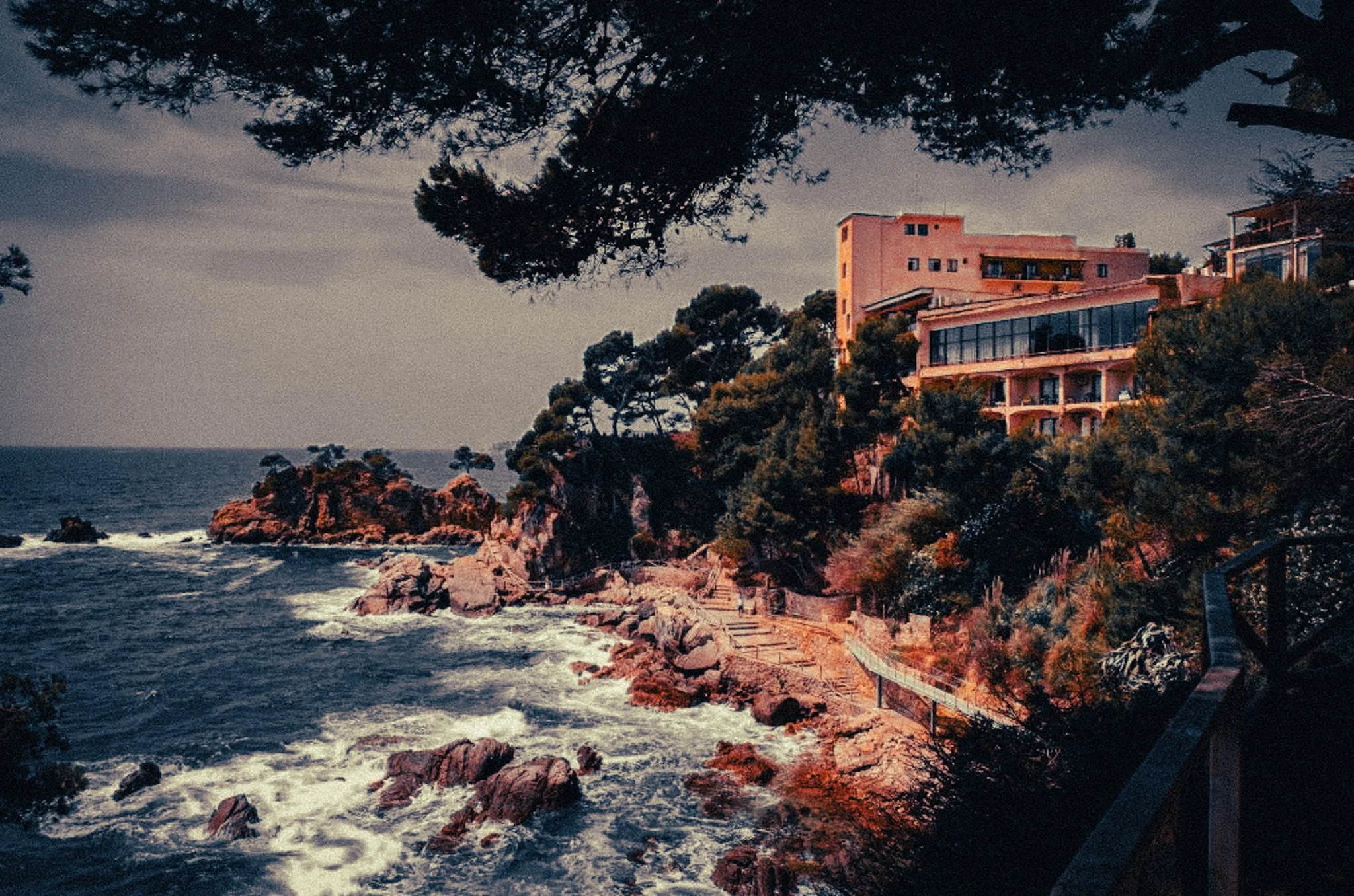
Calella de Palafrugell looking quiet and almost melancholic, the kind of Costa Brava beauty that doesn’t scream for attention but stays with you anyway. Rocky shore included, because apparently paradise needed texture.
Barcelona is usually the loud one. The city people fly into, post about, complain about, romanticise, and then leave thinking they have seen Catalonia.
But the north is different.
The north feels older, quieter, more poetic. More rural. More Catalan in a way that is hard to explain until you leave the city behind and start seeing vineyards, stone villages, volcanic forests, monastery mountains and rough beaches that don’t care about your soft little city feet.
This route matters to me because some of these places are tied to childhood memories. Olot and the volcano trek stayed in my head from when I was young. I remember that feeling of Catalonia becoming something bigger than Barcelona: green, strange, inland, almost secret.
And then there is Dalí country. I remember becoming obsessed with him when I learned about surrealism, altered states, dreams, symbols and the idea that painting did not have to behave like reality. Figueres and Cadaqués make sense when you understand that this part of Catalonia already feels slightly unreal.
This itinerary is for people who want Costa Brava, but not only beaches. It is for people who want the road, the inland villages, the volcanoes, the cava, the rocky coves, the weird art, and the side of Spain that feels less obvious.
Should you rent a car for this Costa Brava itinerary?
For this route, yes. Rent a car.
You can reach some Costa Brava towns by public transport, and if you only want one beach town from Barcelona, that is fine. But this itinerary is not built around one town. It is built around movement: vineyards, Montserrat, Olot, volcanic forests, small villages, Dalí country, wetlands, Cap de Creus, coastal roads and coves.
A car gives you freedom. It also gives you parking stress, because human civilisation cannot give without taking, apparently. But for this route, it is worth it.
The easiest version is to fly into Barcelona, rent the car at the airport, leave the city immediately, do the road trip, then return the car before spending time in Barcelona. Do not keep a rental car in Barcelona unless you enjoy paying for your own suffering.
Car note This route works best with a car, especially for Montserrat, La Garrotxa and the smaller Costa Brava stops. Compare car rentals →
Best time to do this Costa Brava road trip
Spring is beautiful for this route because inland Catalonia is greener, the volcano area is better for walking, and the coast has not yet become fully possessed by summer crowds.
Early summer works well if you want beaches and long days, though prices start rising and the coastal towns get busier. September is probably one of the best months: the sea is still warm, the light becomes softer, and the whole place feels less hysterical.
August is possible, but it is August. Everyone is travelling, everything costs more, parking becomes a spiritual test, and the beaches fill with families, towels, cool boxes and people who seem to have brought their entire living room to the sand.
Winter can still work for Montserrat, Dalí, villages and inland Catalonia, but it is not the best if your dream is swimming through turquoise coves pretending you are in a perfume advert.
Day 1: Barcelona to Sant Sadurní d’Anoia and the Penedès vineyards
Start by leaving Barcelona.
This sounds rude, but it is the right decision. Barcelona is better at the end of the trip, when you can return the car and walk instead of being trapped in traffic with the emotional range of a boiled potato.
From Barcelona Airport, drive toward Sant Sadurní d’Anoia, the heart of cava country. This is where the itinerary begins to feel different from the usual Costa Brava route. Instead of running straight to the beach, you start inland, in Penedès, among vineyards, cellars, low hills and the quieter rhythm of Catalan countryside.
Sant Sadurní is known for cava, and if you enjoy wine tastings, this is a gentle way to begin. I did a cava tasting here a few years ago and loved it. In that quiet way where something simple stays with you: the glass, the countryside, the feeling of being outside the city, the sense that Catalonia has many rooms and Barcelona is only one of them.
Stay overnight around Sant Sadurní, Vilafranca del Penedès or somewhere rural in Penedès. The point of this first day is not to rush. Land, pick up the car, breathe, drink something sparkling if that is your thing, and let the trip begin slowly.
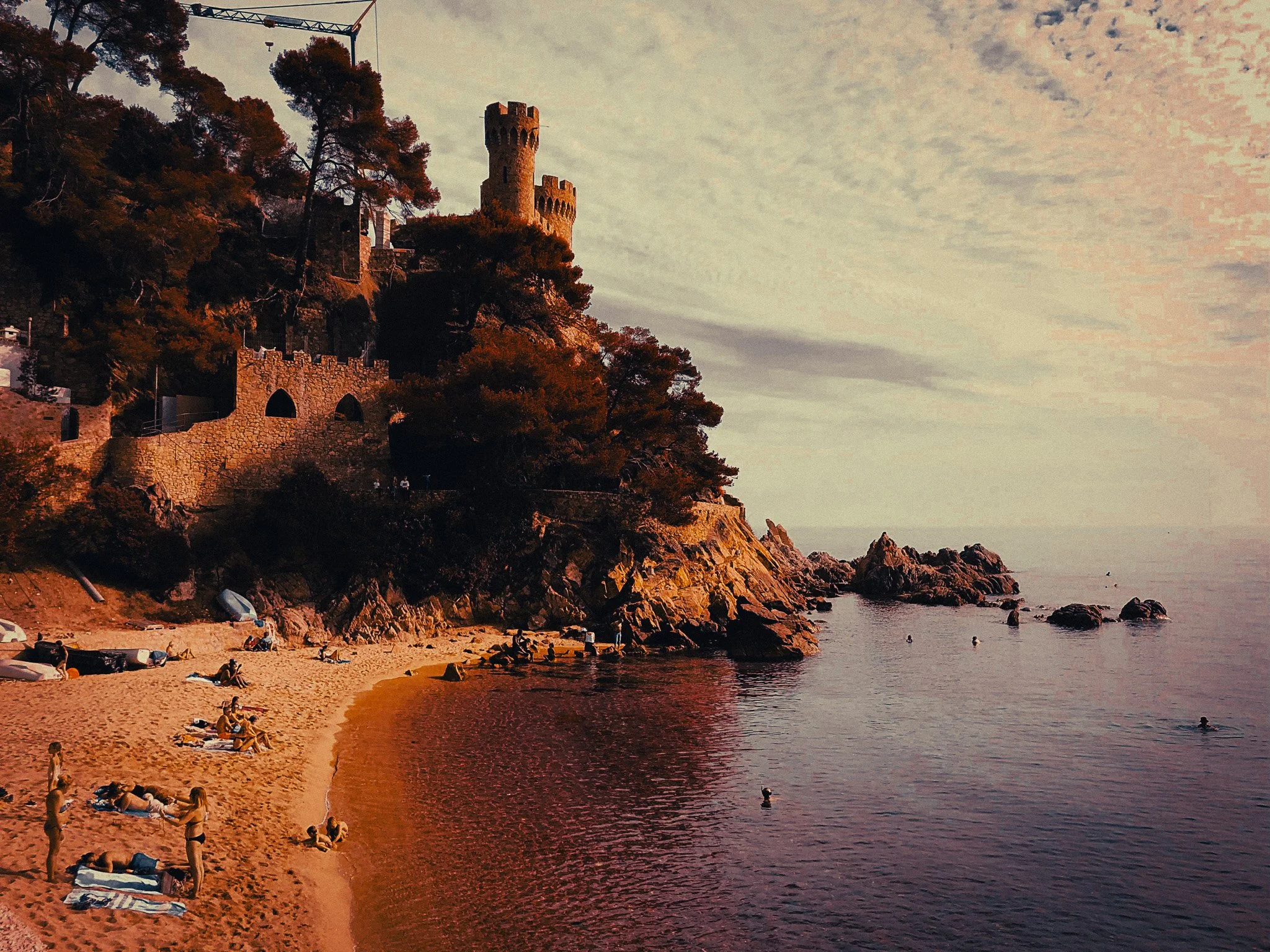
One of those Costa Brava coves that looks soft from a distance, then reminds you the coast has teeth.
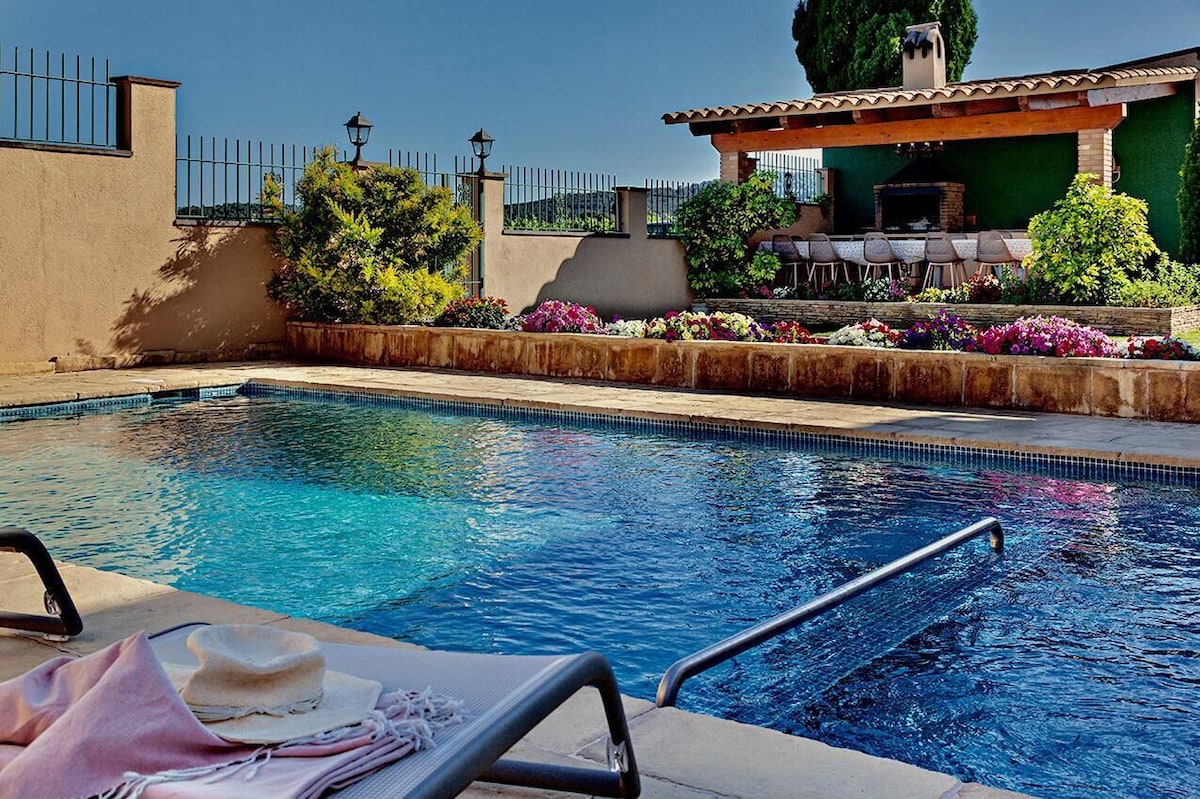
Penedès stay
For a slower first night in cava country
If you want to start the route outside Barcelona, this vineyard stay keeps the mood rural and close to Sant Sadurní d’Anoia. Ask locally about cava tastings nearby, then head toward Montserrat the next morning.
View the stay →Day 2: Sant Sadurní d’Anoia to Montserrat
From Penedès, drive to Montserrat.
Montserrat is one of those places that looks unreal even before you know anything about it. The mountain rises in strange rounded shapes, almost like stone fingers or sleeping animals. It does not look like a normal mountain. It looks symbolic before anyone explains the symbolism.
Most people visit Montserrat as a day trip from Barcelona, and there is nothing wrong with that. But for this route, I think it is worth staying nearby for one night. When a place is this dramatic, rushing in and out with the day-trip crowd feels slightly criminal.
Visit the monastery, take in the views, and if you have the energy, do a short hike. The mountain has that mix of nature and devotion that makes people quieter without anyone asking them to be. Even if you are not religious, there is something about monasteries in mountains that touches an old part of the human brain. Maybe it is the height. Maybe it is the silence. Maybe it is the fact that people have always climbed upward when they wanted to speak to something bigger than themselves.
Stay in Montserrat, Monistrol de Montserrat or Collbató. The overnight stop gives the place space. It lets the day-trippers leave. It gives you the evening light, the cooler air, the feeling that the mountain belongs to itself again.
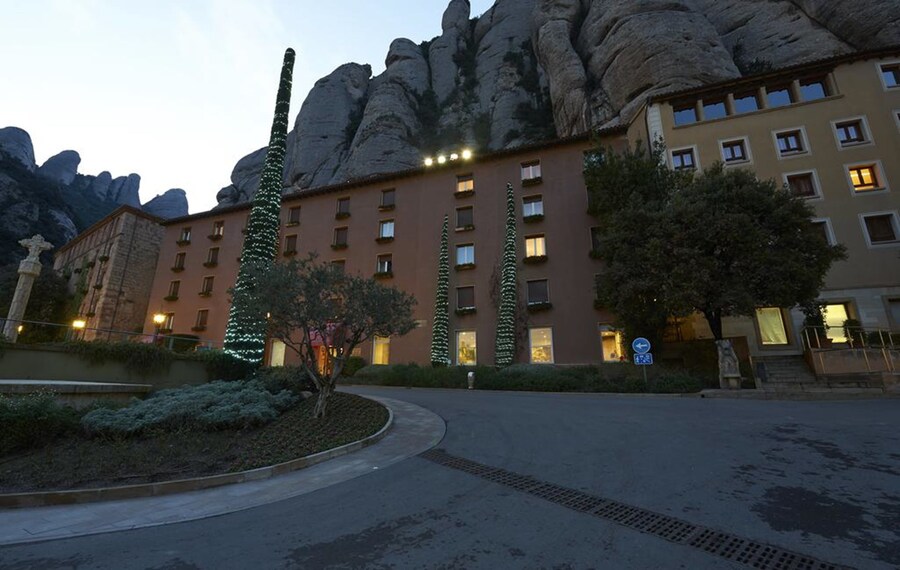
Montserrat stay
Sleep on the mountain, not below it
If you want Montserrat to feel less like a rushed day trip, stay right by the monastery and wake up already inside the landscape. Better for early walks, quieter hours and starting the trek before the crowds arrive to perform tourism loudly.
View the mountain stay →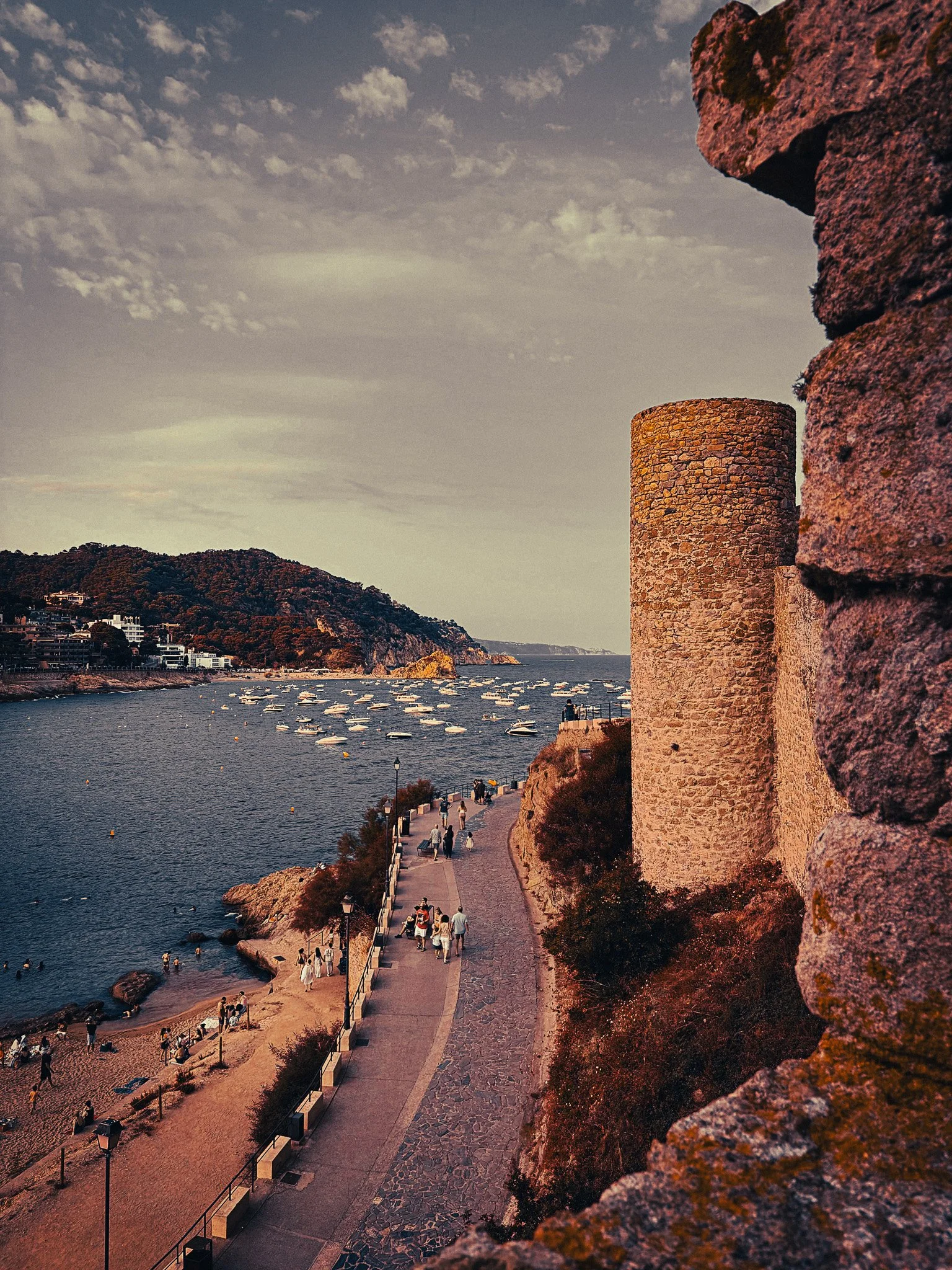
Tossa de Mar from the old walls, where the Costa Brava suddenly gets dramatic: stone towers, boats below, rough cliffs, and the sea doing that smug beautiful thing again.
Day 3: Montserrat to Olot or Santa Pau
After Montserrat, drive inland toward Olot and La Garrotxa.
This is where the itinerary changes completely. You are no longer in the world of city breaks, beaches or famous monuments. You are moving into volcanic Catalonia. Greener. More rural. More private with itself.
Olot is practical as a base, but Santa Pau is prettier if you want that old village feeling. I would choose Olot if you want easier logistics, restaurants and convenience. I would choose Santa Pau if you want atmosphere, stone streets and a softer rural mood.
This day does not need to be packed. Drive, arrive, wander a little, eat properly, and let the landscape shift around you.
La Garrotxa matters to me because I remember it from childhood. I remember the volcano trek. I remember the feeling of being somewhere that made Catalonia seem strange and alive in a different way. Not Barcelona. Not the beach. Not the Spain people imagine when they have never been beyond clichés. It was forest, old ground, green silence, villages and the idea that the earth had once opened here.
La Garrotxa base
Choose Olot for ease, Santa Pau for old village mood
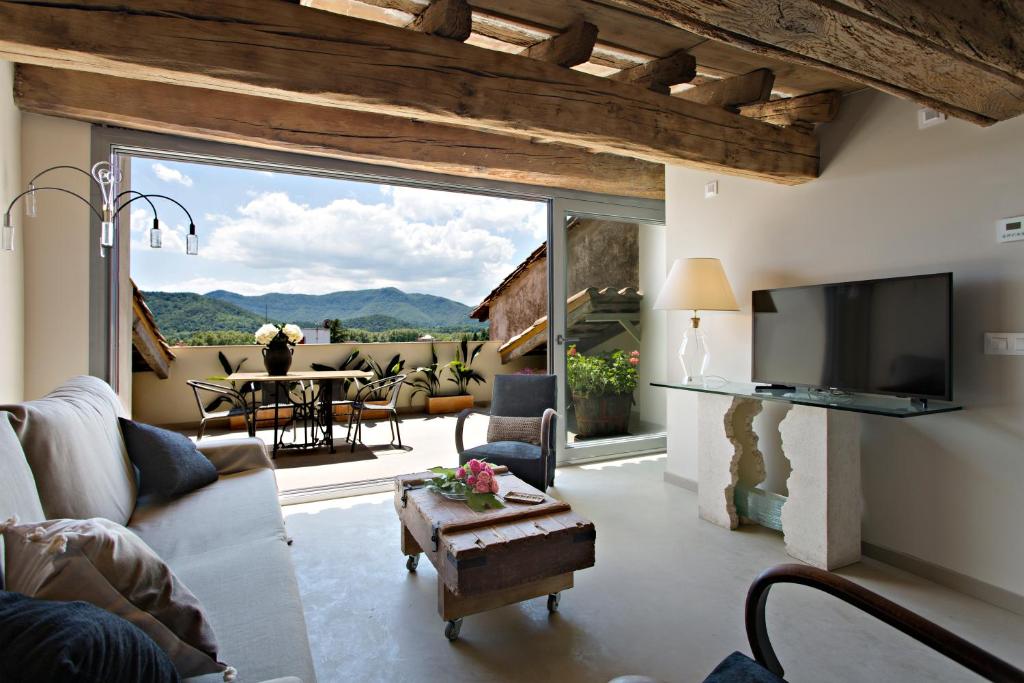
Better if you want an easier town base, restaurants nearby, and a soft landing after driving into volcanic Catalonia.
View Olot stay →
Better if you want the older village feeling, closer to the quieter rural mood of La Garrotxa.
View Santa Pau stay →Day 4: La Garrotxa volcano trek
This is the day for La Garrotxa Volcanic Zone Natural Park.
Walk through the volcanic landscapes around Santa Margarida and Croscat, and if you can, spend time in Fageda d’en Jordà, the beech forest that grows over old lava flow. The place has a softness to it, but also something ancient underneath. That contrast is what makes it beautiful.
The Santa Margarida volcano has a small chapel inside the crater, which sounds like the kind of thing someone would invent for symbolism, but there it is. A chapel sitting inside the mouth of an old volcano. Croscat is different. More exposed. More visibly volcanic. More like the land is showing you its wound.
Do not rush this day. Wear proper shoes. Bring water. Check the weather.
This part of the itinerary is important because it reminds you that Catalonia has a wild inland body. People talk about Costa Brava for the coves and the sea, but before you reach the coast, this volcanic land gives the whole trip depth. It makes the beach feel like the end of a story, not the whole story.
Optional experience
Add a guided stop if it fits your route
This is still a self-drive itinerary, but if you want to add one guided experience along the way, this one is actually worth it.
Tip: check the start point, parking, cancellation policy and exact route before booking.
Day 5: Olot to Figueres, Empuriabrava, Roses or Cadaqués
From La Garrotxa, drive toward Figueres and the northern coast.
This is Dalí country, and even if you do not care about art, it is hard to ignore the weird charge of this part of Catalonia. Figueres is home to the Dalí Museum, and Cadaqués is tied to his world too, especially nearby Portlligat.
I remember being obsessed with Dalí when I learned about surrealism, dreams, altered states and the idea that art could come from somewhere stranger than ordinary life. There are many stories around him, and some are probably half myth, because Dalí himself understood performance better than most influencers. But the point is that he made reality unstable. He made painting feel like a dream that had melted in the sun and then refused to apologise.
When you see this northern landscape, Dalí starts making more sense. The light, the rocks, the white villages, the sea, the wind, the dryness in some places, the strange edges of the coast. It is not soft in the obvious way. It is beautiful, but it is not always gentle.
From Figueres, you can continue toward Empuriabrava, Roses or Cadaqués. Empuriabrava is known for its canals and feels different from the older coastal villages. Roses is more practical and easier as a base. Cadaqués is prettier, more atmospheric, more romantic, but also more awkward with driving and parking.
I have always loved the name Roses. Maybe because it literally means roses, and maybe because as a child or younger person you attach romance to names before reality has time to ruin anything. A town by the sea called Roses already sounds like a memory before you arrive.
Stay in Roses if you want an easier base. Stay in Cadaqués if you want beauty and atmosphere. Stay in Empuriabrava if you want canals, beaches and something more unusual.
North Costa Brava bases
Choose Roses for ease, Cadaqués for romance, Empuriabrava for something stranger

The practical choice: central, beachfront, easy for parking logistics compared with Cadaqués, and useful if you want a simple north-coast base.
View Roses stay →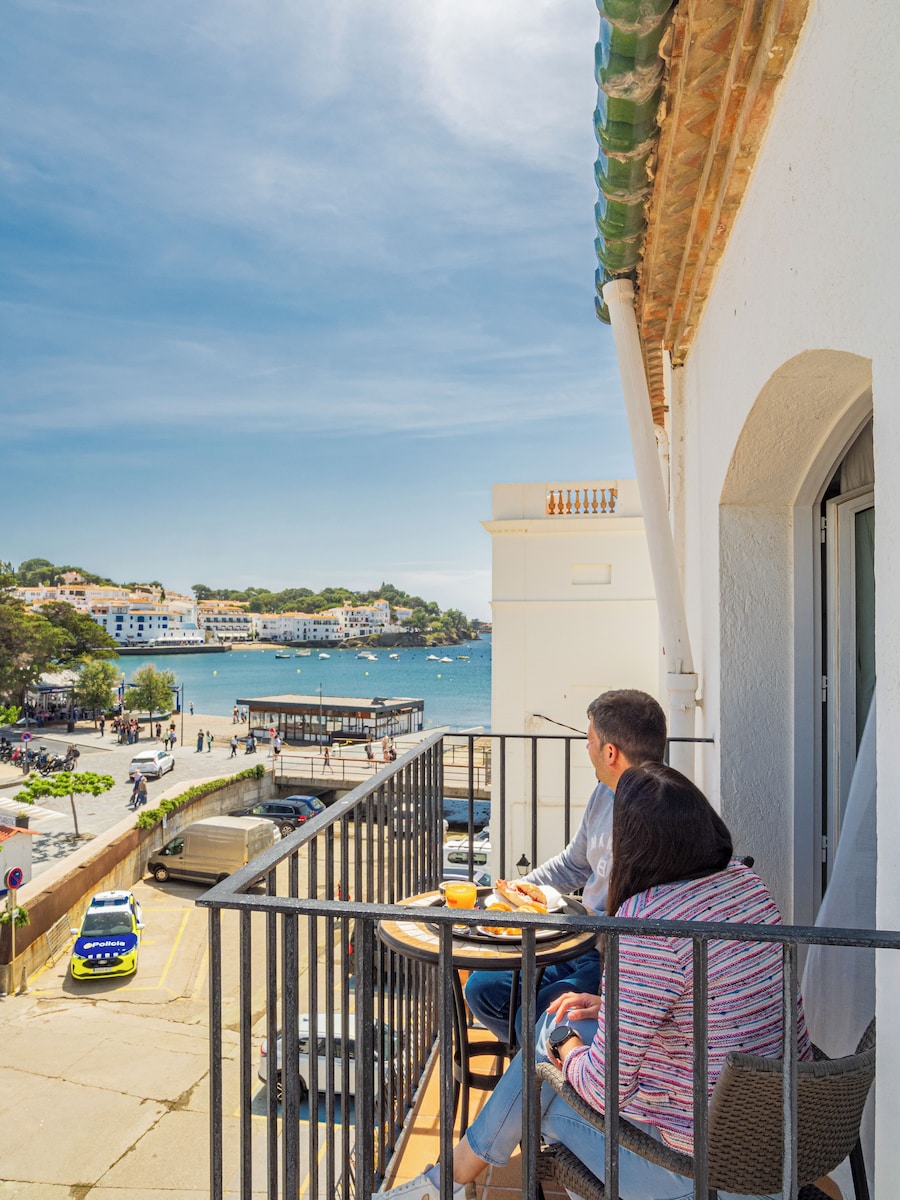
The atmospheric choice: closer to the white-village, Dalí, Cap de Creus mood. Less practical, more beautiful. Naturally, beauty demands inconvenience.
View Cadaqués stay →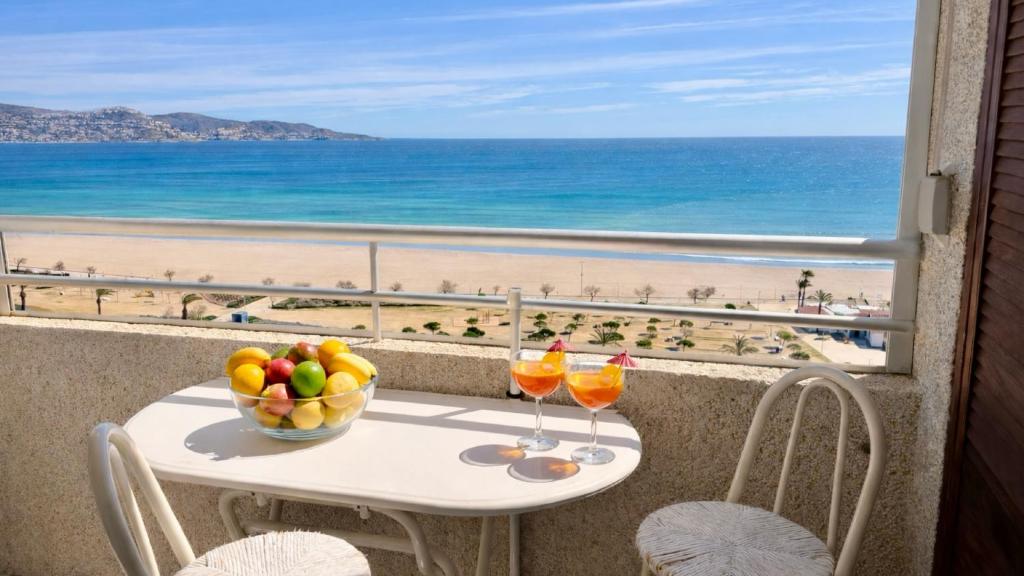
The different choice: beach apartment energy in Empuriabrava, useful if you want self-catering, canals, sea views and less old-village romance.
View Empuriabrava stay →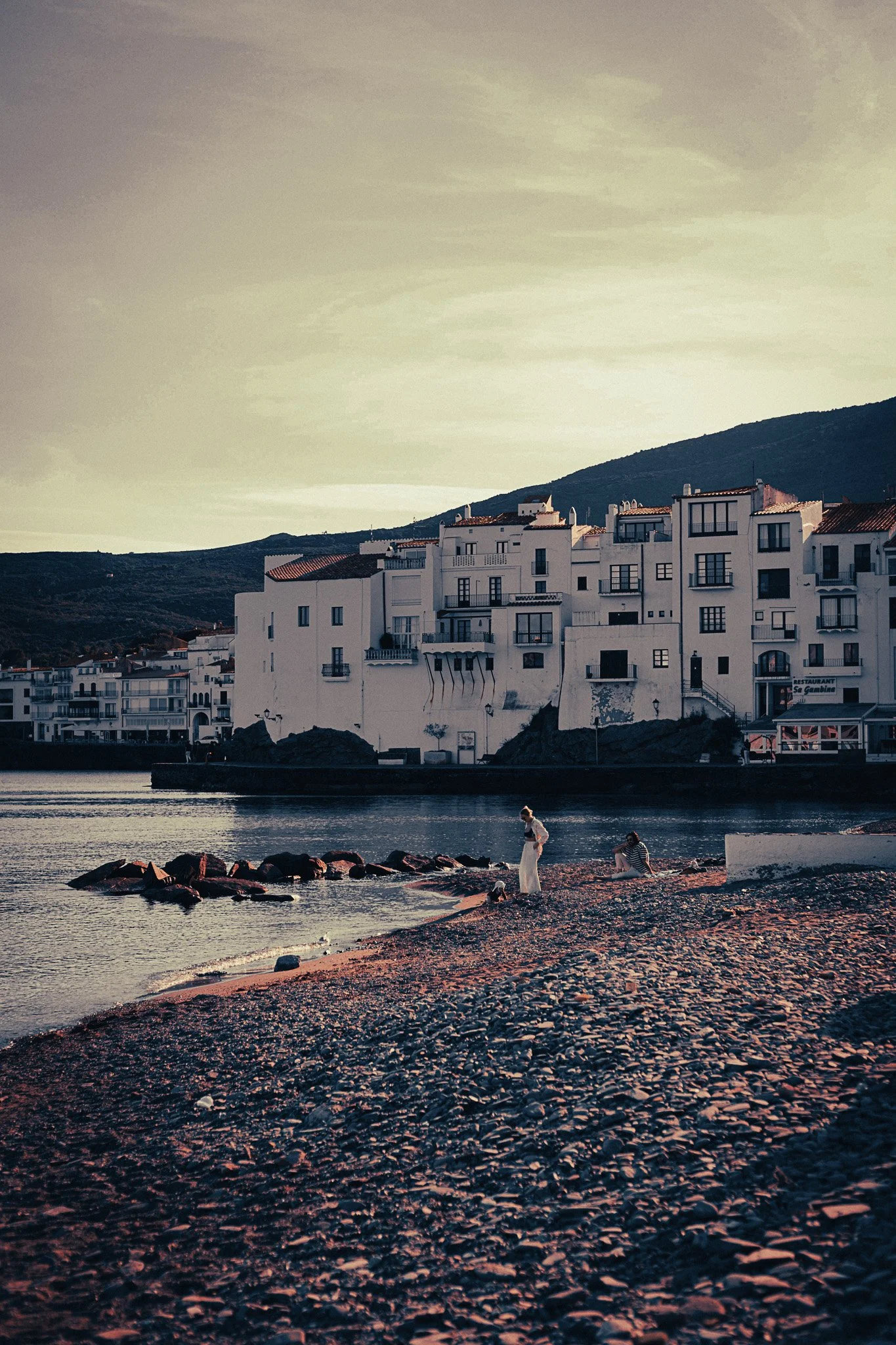
Cadaqués has that strange northern beauty: white houses, dark hills, rocky shore, quiet water, and the feeling that Dalí made slightly more sense after seeing this coast.
Day 6: Cadaqués, Cap de Creus and the northern wild coast
This day should be slower if you can allow it.
If you are staying in Cadaqués or Roses, use the day for Cap de Creus, Cadaqués, Portlligat, or the wetlands of Aiguamolls de l’Empordà. This is where the north feels most like itself: rough, bright, wind-shaped, slightly strange.
Cadaqués is beautiful in the way white coastal villages often are, but it has something more than prettiness. Maybe it is the Dalí connection. Maybe it is the road in. Maybe it is the way the village feels tucked into the edge of things. It does not feel like a place that is trying to be Spain for tourists. It feels more specific than that.
Cap de Creus is even wilder. The coast becomes rockier, sharper, more exposed. The sea does not look decorative here.
If you want more nature, add Aiguamolls de l’Empordà, the wetlands near Empuriabrava. This is a good stop if you like birds, flat landscapes, reeds, water and the quieter side of the region. It also breaks up the idea that Costa Brava is only coves and villages. There are wetlands here too, and they matter.
The best version of the day is probably Aiguamolls in the morning, then Cadaqués or Cap de Creus later. Nature first, surreal coast after.
Day 7: Palamós, Calella de Palafrugell and the Camí de Ronda
Now drive down toward the central Costa Brava.
This is where the coast becomes the version many people imagine: coves, fishing towns, white houses, boats, pine trees, blue water, rocky edges and old coastal paths. Palamós is practical and more lived-in. Calella de Palafrugell is prettier and softer to look at. Llafranc is elegant. The Camí de Ronda coastal paths are the real gift here Walk part of the coast if the weather allows. Swim if you want. Stop in coves. Sit somewhere with a view and do very little.
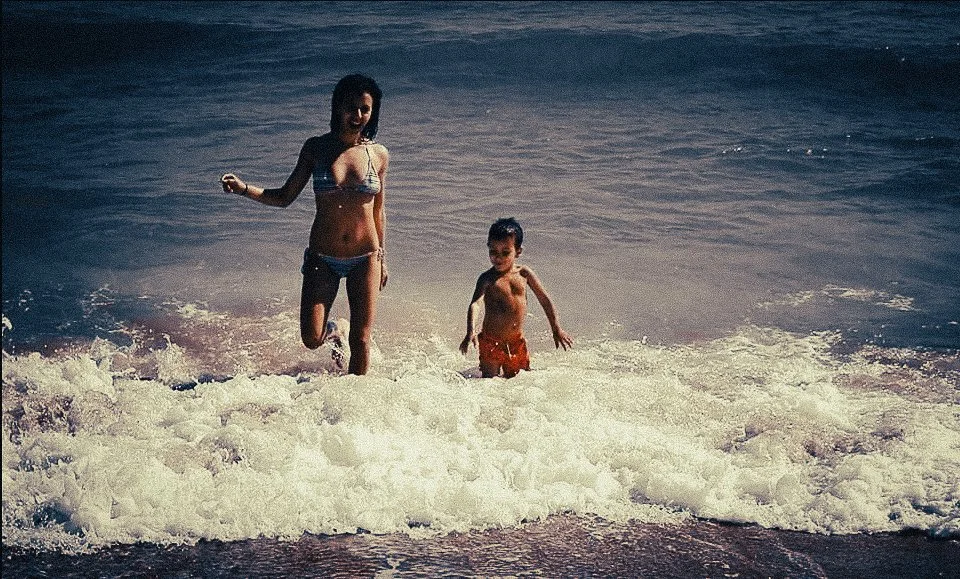
But here is the warning: Costa Brava beaches are not always soft sandy beaches. Some are rocky and pebbly. Bring water shoes. Bring sandals with grip. Bring a towel you can place over rocks. Bring humility.
The name Costa Brava means wild coast, and it does not lie. The beaches can be stunning, but they are not always comfortable in the easy resort sense. This is not always smooth sand and gentle entry. Sometimes the beauty has edges.
Stay note Compare prices around Palamós, Calella de Palafrugell or Llafranc before choosing your coast base. Check stays →
If you only have seven days, you can return to Barcelona in the evening. If you have eight days, stay overnight around Palamós, Calella de Palafrugell or Llafranc and give this part of the coast more time. Honestly, if there is one place in the itinerary that deserves not to be rushed, it is this stretch.
Final thoughts
This Costa Brava itinerary from Barcelona is not just about beaches.
It is about leaving the city and watching Catalonia change shape. First vineyards. Then monastery mountains. Then volcanic forests. Then Dalí country. Then wetlands. Then white villages and wild coast. Then rocky coves where the sea is bright and beautiful and your feet suffer for art.
For me, this route matters because it carries memory. Childhood volcano walks. The strange romance of names like Roses. The obsession with Dalí and his dream-logic world. The feeling of being Moroccan and raised in Barcelona, belonging and not belonging, seeing Catalonia from inside but also always slightly from the edge.
Maybe that is why I like routes like this. They remind you that places are never one thing. Catalonia is not only Barcelona. Spain is not only the Spain people sell. The north has its own rhythm: quieter, rougher, greener, stranger, more poetic. And the Costa Brava is beautiful, but not soft. That is probably why it stays.
-
Not properly. You can reach places like Girona, Figueres, Roses, Cadaqués or some beach towns by train and bus, but this specific route works best with a car because it includes inland stops like Sant Sadurní d’Anoia, Montserrat, Olot, La Garrotxa and smaller coastal villages. Without a car, you would need to simplify the itinerary and choose fewer bases.
-
It is full, but not impossible. Seven days works if you treat some places as stops, not overnight bases. If you want slower beach time, add an extra day around Calella de Palafrugell, Llafranc, Tamariu or Begur. The coast is better when you let it breathe, shocking concept.
-
For the northern coast, Roses is easier and more practical, while Cadaqués is more atmospheric and romantic. For the classic coves and coastal walks, Calella de Palafrugell, Llafranc or Palamós work well. If you hate changing hotels too often, choose one northern base and one central Costa Brava base.
-
Yes, if the driving days are kept realistic and you do not try to force too many stops into every day. Families may prefer Roses, Palamós or Llafranc over more awkward bases like Cadaqués. La Garrotxa, Montserrat, beaches and short coastal walks can work well with children if you pace it properly.
-
It depends on season. Summer, especially August, can get expensive quickly because accommodation along the coast rises a lot. Spring and September are usually better for value. The biggest costs will be car rental, accommodation, fuel, parking, cava tastings, museum tickets and eating out.
Trip tools I actually use
Planning the road, without turning it into admin hell
If you book through these links, I may earn a small commission at no extra cost to you. Tiny survival tax for keeping Wild Veins alive, and still more dignified than begging the algorithm for mercy.