14 Days in Jordan Without a Car: Solo Female Traveller Route
This is not a tourist checklist.
This is a solo female, no-car, budget-friendly Jordan itinerary for someone who wants to move through the country in the right way, not just tick off Petra and the rest like they are collecting stamps for their passport.
Inside this guide
The 14-day route

Days 1–3: Amman

Days 4–7: Dead Sea and Petra
Days 8–12: Wadi Rum and Aqaba
Days 13–14: Return north
Transport and budget

Most Jordan itineraries send people straight from Amman to Petra, and I honestly do not understand why. Habibis, logistically, emotionally, spiritually, it makes no sense.
I spent 16 days in Jordan without renting a car, travelling solo, moving between Amman, the Dead Sea, Petra, Wadi Rum and Aqaba on a budget. I spent around £1,200 for two weeks, not including flights, and I did not do Jordan as a tourist loop where every movement is wrapped in a private driver and a cute outfit.
This route is the version I would actually recommend if you have 14 days in Jordan, especially if you are travelling without a car. It gives Amman space, keeps the Dead Sea short, protects your Petra energy, lets Wadi Rum breathe, and gives Aqaba enough time to be more than a random Red Sea footnote.
Jordan is not just Petra with a desert attached.
If you’re planning to stay in Jordan, here’s an overview of all the hotels.
Why This Jordan Itinerary Is Different
This itinerary is built around how Jordan actually felt to move through as a solo female traveller without renting a car. It is not designed to rush you straight to Petra like nothing else exists. It gives Amman space at the beginning, keeps the Dead Sea short because it is iconic but expensive, gives Petra enough time because it is physically demanding, lets Wadi Rum breathe because the desert deserves more than one sunset photo, and gives Aqaba proper time because the Red Sea is not worth treating like a cute little stop.
I spent sixteen days in Jordan, and this fourteen-day route is the version I would actually recommend after doing it slowly, making choices, spending around £1,200, and realising where the country needs time and where it does not. This is a traveller’s route, not a tourist conveyor belt.
Before you start booking separate tickets, check the Jordan Pass. If you are visiting Petra, it usually makes more sense than paying for everything one by one, especially because Petra alone is expensive enough. The pass can cover Petra and many major sites in Jordan, and it may also save you the visa fee if you buy it before arrival and meet the stay requirement.
For this route, I would look at the two-day Petra option, because rushing Petra into one day is technically possible but emotionally rude.
Before you buy tickets
The Jordan Pass Is Usually Worth It
If you are visiting Petra, staying in Jordan for more than a couple of nights, and entering as a tourist, check the Jordan Pass before buying separate tickets. It bundles Petra with many major sites and can also waive the visa fee if you buy it before arrival and meet the stay requirement.
What you would pay separately
My honest advice: for this 14 day Jordan route, I’d choose the Jordan Explorer because two Petra days make more sense than rushing it. Petra by Night is separate, so do not expect the pass to cover that little candlelit drama.
Check the official Jordan PassDay 1: Arrive in Amman
You will most likely arrive at Queen Alia International Airport, which is actually a nice and manageable airport. Amman is not painfully far from it either. Depending on traffic, the journey into the city takes around thirty minutes, which is kind of okey for an airport arrival.
You can take an airport taxi, arrange a transfer in advance, or ask your hotel to organise one for you. If you take a taxi, agree the price before getting in. From my experience, around £20 is a reasonable rough idea, but prices can change, so do not treat that number like a holy text. Just ask first and avoid the drama.
For Amman, I would stay central. I stayed at Amman Pasha Hotel, right in downtown Amman, facing the Roman Theatre area. It was basic, but the location was excellent. And honestly, in Jordan, location matters more than polished interiors if you are travelling without a car. I would rather stay somewhere simple and useful than somewhere prettier that makes every movement cost money.
Downtown Amman worked because I could walk to the Roman Theatre, wander through markets, explore hidden corners, find little libraries and bookshops, and reach Rainbow Street on foot in around thirty minutes. The Citadel was also close enough to make the city feel walkable and connected. It gave me atmosphere. It gave me noise. It gave me the kind of first impression I actually care about when arriving somewhere new.
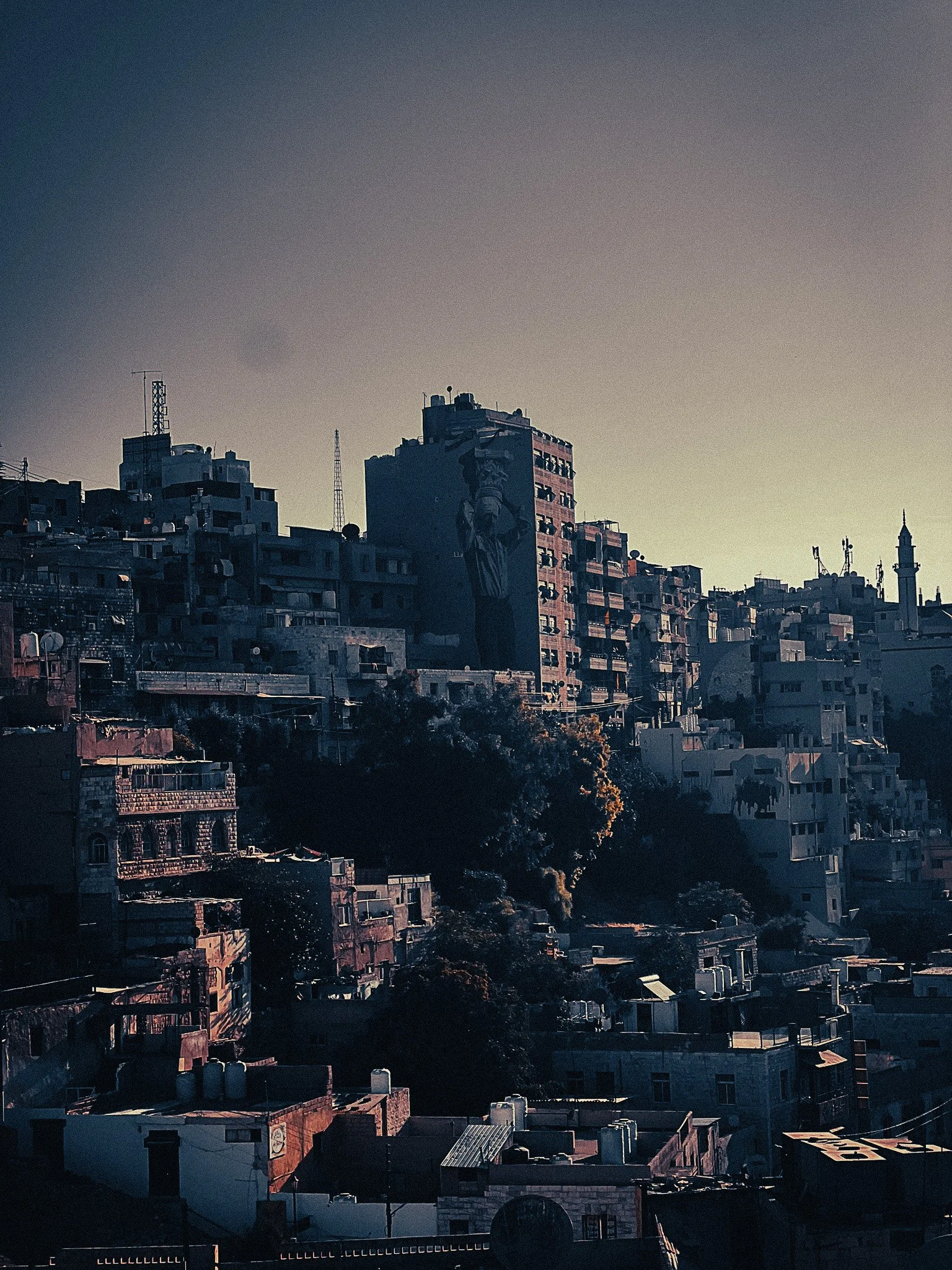
Downtown Amman from above, the kind of view that makes staying near the Roman Theatre worth it
Day 2: Amman Citadel, Roman Theatre and Downtown
Spend your first full day in Amman properly. Do not treat the city like an airport corridor before Petra. That is one of the mistakes I see in so many Jordan itineraries. People land, sleep, and run south as if Amman is just a waiting room with traffic. I would not do that.
Start with the Amman Citadel, because it gives you that wide view over the city and reminds you very quickly that Jordan is not just Petra and desert camps. Then visit the Roman Theatre, walk through downtown, eat locally, follow the markets, and let yourself get pulled into small streets instead of turning the whole day into a list of attractions. Travel should not feel like a school trip.
As a woman travelling alone, I felt safe walking through central Amman, even at night. That was honestly one of the things I loved most about the city. It does not mean every woman will feel exactly the same in every street at every hour. But my own experience in downtown Amman was much more comfortable than I expected.
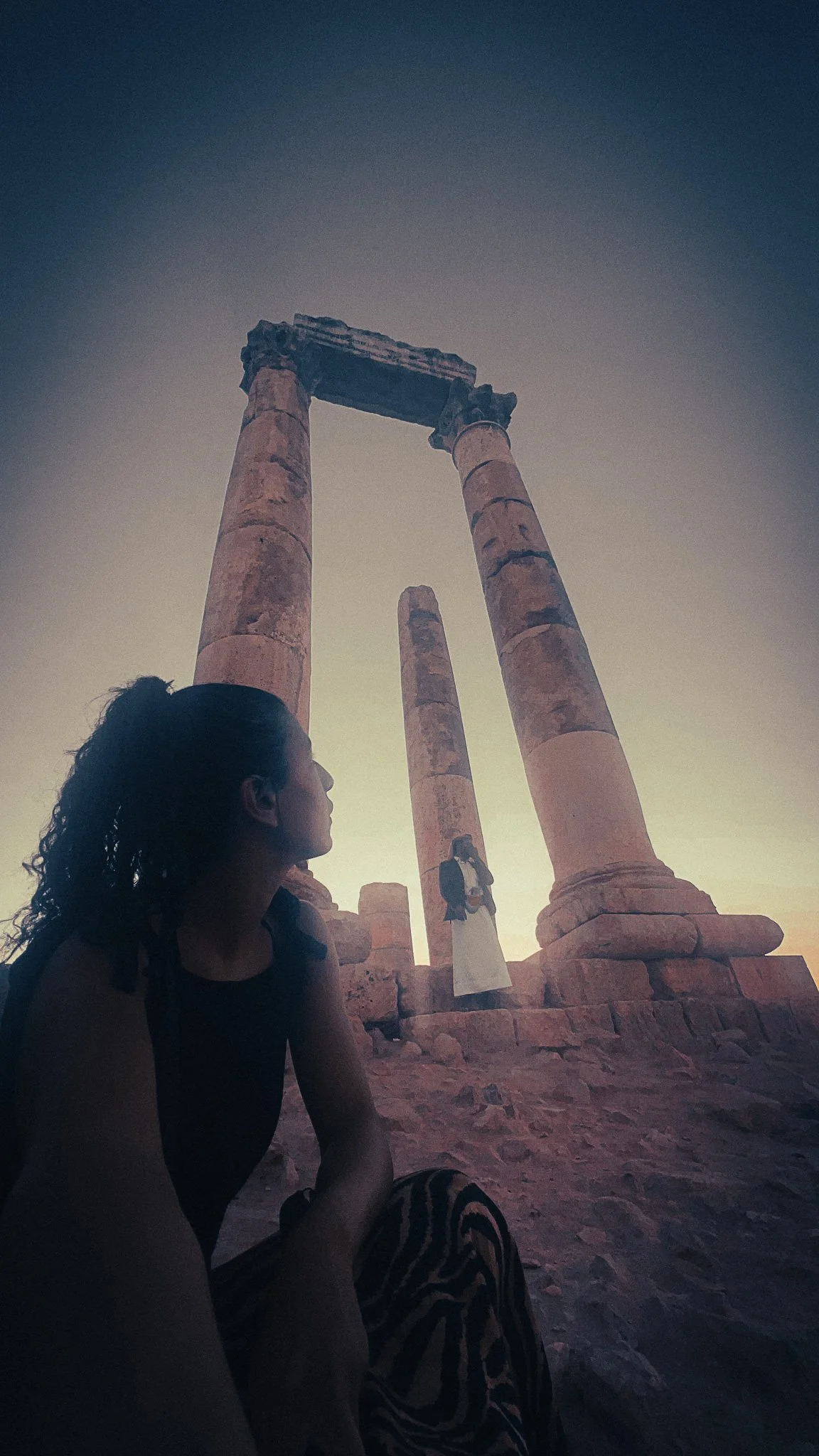
Amman Citadel at golden hour.
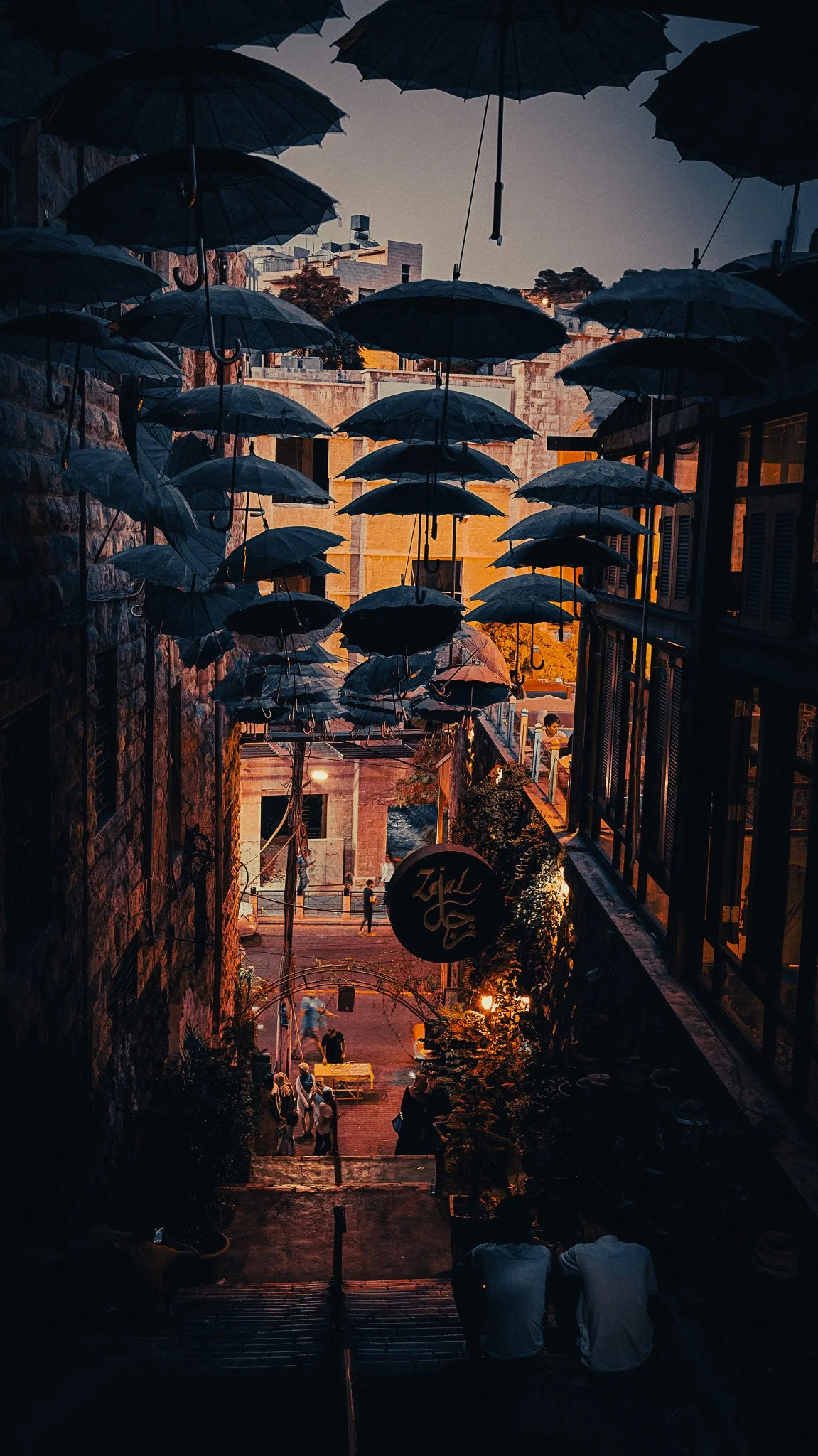
Downtown Amman after dark.
Day 3: Slow Amman, Rainbow Street and Local Wandering
I would keep a third day in Amman, or at least a third night, because it makes the beginning of the itinerary feel human. Most people give Amman one quick day. I would rather slow down at the start, especially after a flight.
This day can be simple. Walk to Rainbow Street, explore more of downtown, look for local food, visit bookshops or small libraries if you are like me and cannot resist printed things even when you are supposedly travelling light. Use the day to understand the city before Petra and Wadi Rum take over the whole trip with their dramatic energy.
If you want more history, you could use this day for Jerash.
Day 4: Dead Sea
From Amman, I would go to the Dead Sea before Petra. This is where my route differs from many generic itineraries, and I stand by it. Going straight to Petra does not make sense to me if you have fourteen days and no car. The Dead Sea breaks the journey south, gives you a completely different landscape early in the trip, and stops the route from becoming a straight rush to the famous ancient city.
I would only stay one night at the Dead Sea. It is iconic, strange and worth experiencing, but for most travellers, it does not need two or three nights unless you specifically want resort time, spa time. Dead Sea accommodation can be one of the more expensive parts of Jordan, so one night keeps the budget from being attacked by a resort bill.
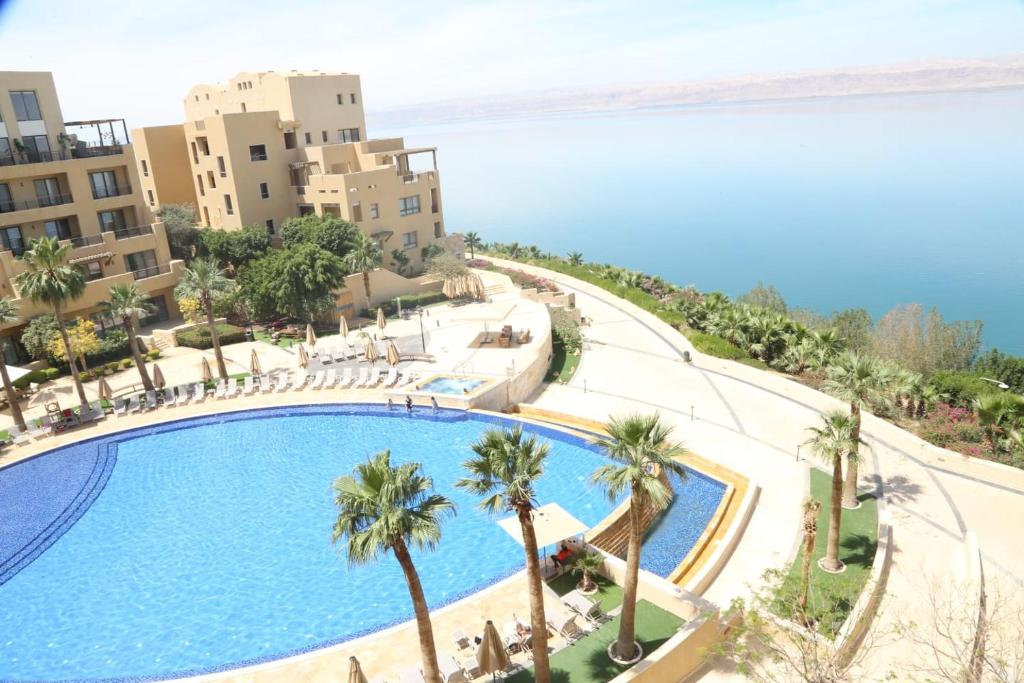
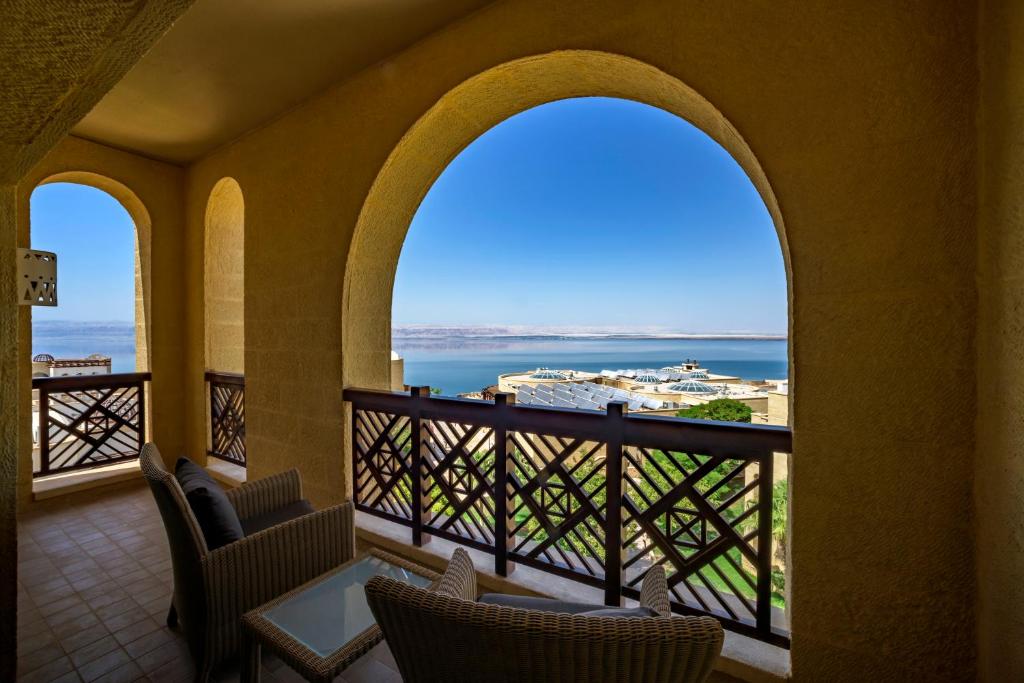
If your budget allows, a resort is the easiest option. It gives you direct access to the Dead Sea, somewhere comfortable to rest, and less logistical nonsense around public access. Arrive from Amman, check in, float, rest, watch sunset if possible, and let the landscape do its weird magic.
No-car route note
Amman or Airport → Dead Sea
Do not panic here. The Dead Sea is doable without a car, but with luggage or a resort check-in, the easiest option is usually a private transfer. If you want to save money, check the JETT bus schedule first.
My advice: use JETT if the timing works. Use a transfer if you arrive tired, have luggage, or do not want your first Jordan movement to become a small administrative tragedy.
Day 5: Dead Sea to Petra / Wadi Musa
If Wadi Mujib is open and the timing works, this is where you can fit it in. It gives the route a burst of adventure before Petra, and it makes the Dead Sea stop feel more active rather than just “I floated, I took the photo, I became salty, goodbye.” But Wadi Mujib is seasonal and weather-dependent, so check conditions properly before planning around a canyon. Nature does not care about our calendars. Rude, but fair.
Don’t just float in the Dead Sea and leave. Wadi Mujib is nearby, and it turns the calmest stop in Jordan into ropes, waterfalls and a full-body argument with a river. Read my Wadi Mujib canyoning guide here.
After the Dead Sea or Wadi Mujib, continue to Wadi Musa, the town next to Petra. This is where you should sleep for Petra. Stay close to the entrance if possible, because Petra days are already physically tiring. You do not need to make them harder by staying far away unless the price difference is genuinely worth it.
Once you arrive, rest. Eat. If Petra by Night is available and the timing works, you can consider it, but I would not force it after a long transfer day if you are already tired.
If you’re going to Petra, read mistakes to avoid or will ruin your visit.
 If you’re going to Petra, read
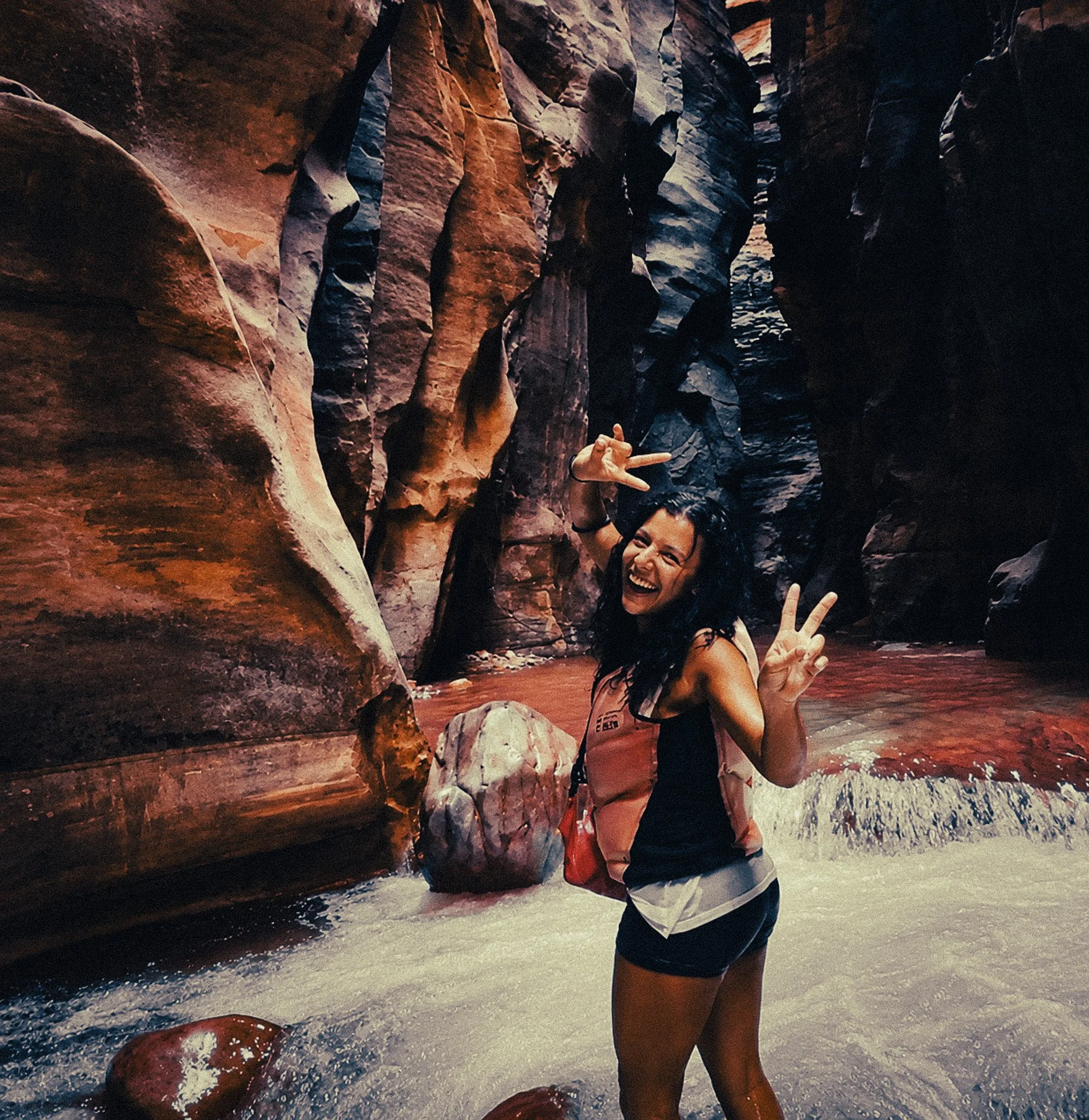
Wadi Mujib: the Dead Sea stop that actually wakes you up.

Day 6: Petra Full Day
Start early. Petra is not a quick attraction where you pop in and out. It is huge, hot, dusty and physically demanding. This is exactly why I do not like itineraries that throw people into Petra immediately after landing or after a messy travel day. You need energy for it.
Use your first full day for the main Petra route. Walk through the Siq, reach the Treasury, continue through the Street of Facades, the Theatre, the Royal Tombs and the Great Temple area. If you have the energy, add viewpoints, but do not underestimate how much walking this place demands. Petra is not a passive sightseeing stop. Petra makes you earn it.
This is also where I would add a short ethical note about animal rides. Be careful with horses, donkeys and camels. Do not rely on animals because you under planned your walking day or underestimated the heat. I made mistakes in Jordan too, and I would rather be honest about them than pretend I arrived as a perfectly ethical travel angel descending from the clouds.
Here is a curated list of official Petra certified guides for a much better experience.
 Here is a curated list of official
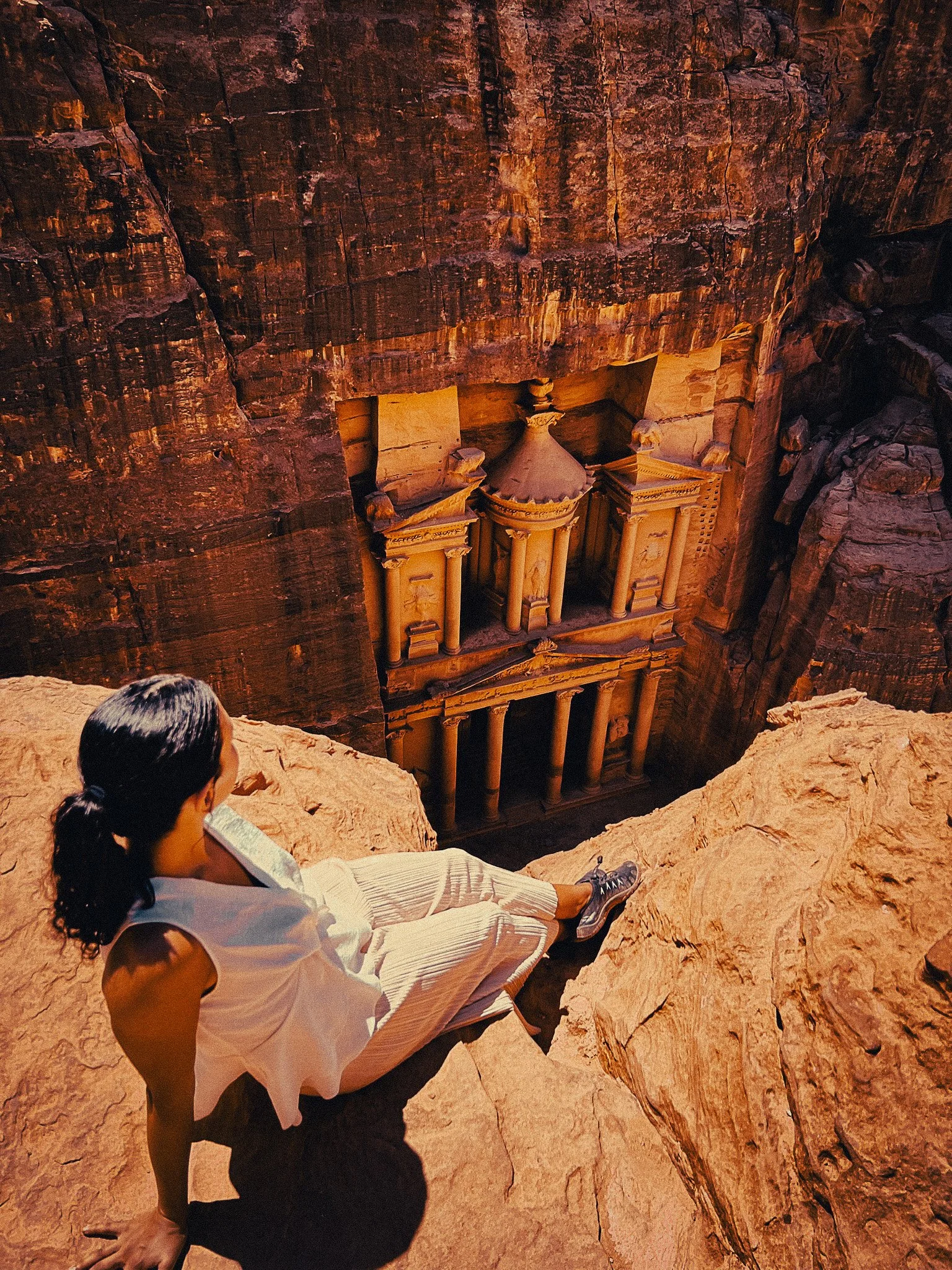
The Treasury from above, dramatic as usual.
Day 7: Petra Second Day / Petra by Night
One day in Petra is possible, but it is rushed. Two days is better. Three nights in Wadi Musa gives you room to experience Petra properly.
On the second Petra day, you can walk to the Monastery, revisit the Treasury early, take slower routes, sit for tea, take photos without sprinting, and actually let the place settle. This is the difference between “I saw Petra” and “I spent time in Petra.” Those are not the same thing.
If Petra by Night is available, this is a good place to fit it in. Check the schedule because it does not run every night. It can be atmospheric and memorable.
Don't forget to book a Petra certified guide who can also guide you to Petra by night.
Day 8: Petra to Wadi Rum
From Wadi Musa, travel to Wadi Rum and arrange pickup with your camp in advance. Without a car, the camp pickup and transfer details matter.
Choosing where to stay in Wadi Rum is important. Not every “Wadi Rum camp” is the same. Some are outside the protected area. Some are luxury bubble hotels with desert background. Before booking, check where the camp actually is, whether it is Bedouin-run, whether pickup is included, whether dinner is included, whether jeep tours are separate, and whether the reviews are clear about the location.
My own Wadi Rum experience was not the typical bubble-tent version. I was invited by a Bedouin family and slept two nights under the stars on a rotten mattress, which sounds miserable if you only travel for comfort, but it became one of the most memorable parts of my Jordan trip.
That first evening should be simple. Arrive, settle in, watch the sunset, drink tea, eat, look at the stars, and let the desert become quiet around you.
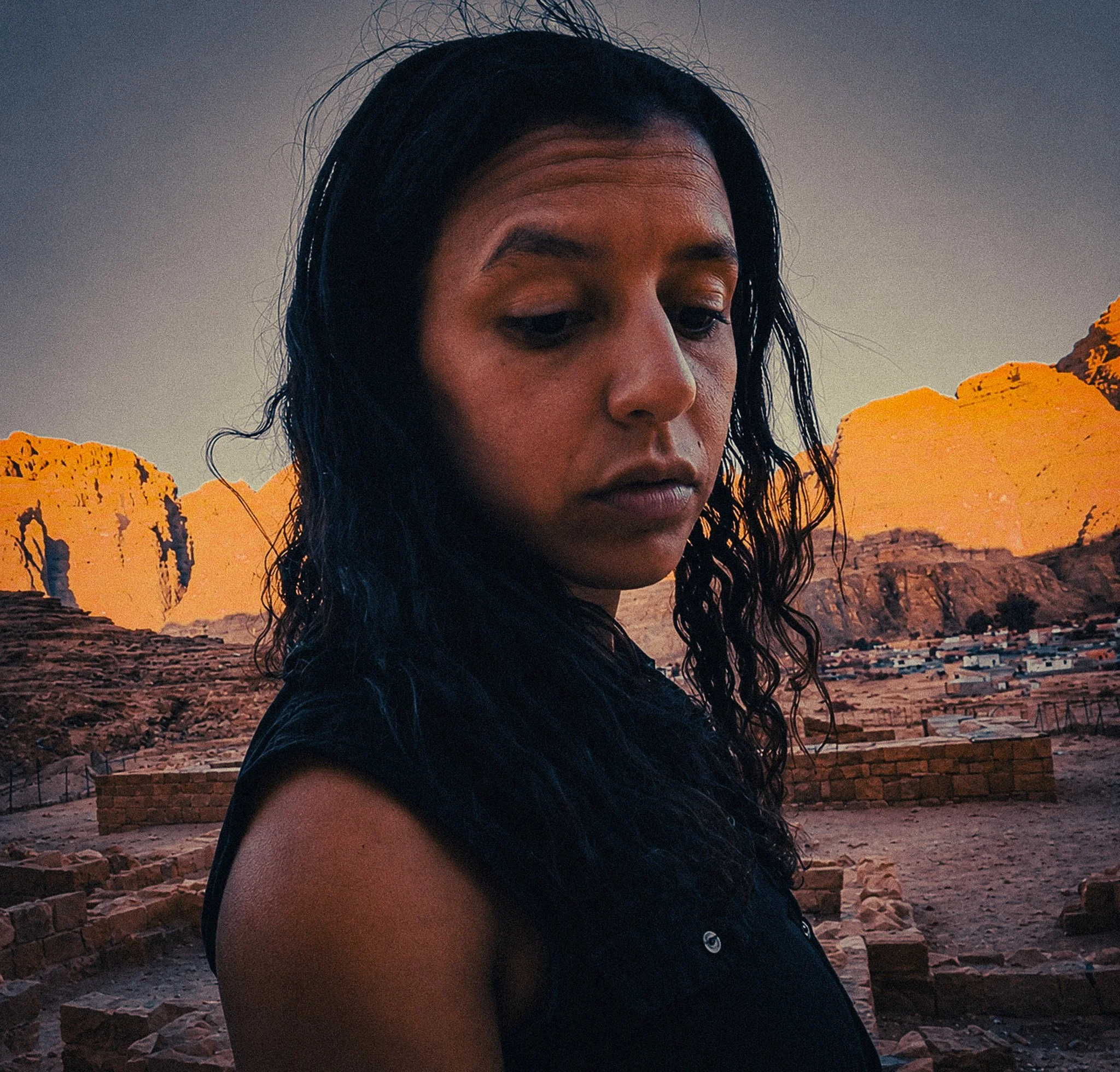
Wadi Rum Village, before the desert silent.
Day 9: Wadi Rum Full Day
Stay two nights in Wadi Rum if you can. One night gives you a photo. Two nights gives you the desert.
Spend the full day doing a jeep tour, walking, sitting, drinking tea, watching the light change, and letting the landscape stop being content and start being a place. The arches, canyons, rock formations and viewpoints are beautiful, but the real value of Wadi Rum is not just the list of stops. It is the feeling of being inside that much space.
This is why I would not reduce Wadi Rum to one rushed night between Petra and Aqaba. The desert needs time to work on you. That sounds dramatic, but Wadi Rum is dramatic, so finally something deserves the tone.
Day 10: Wadi Rum to Aqaba
After Wadi Rum, move to Aqaba.This is another reason I prefer a fourteen-day Jordan itinerary. Aqaba is not worth squeezing into one rushed afternoon where you arrive tired, see the sea, blink twice and leave. If you are going all the way to the Red Sea, give it time.
Use the first Aqaba day gently. Transfer from Wadi Rum, check in, walk by the sea, eat, rest and do not overplan it.
If you’re planning to stay in Jordan, here’s an overview of all the hotels.
Day 11: Aqaba, Berenice and the Red Sea
Use this day for the Red Sea properly. Go to Berenice Beach Club, snorkel, dive, take a boat trip, swim, rest, and let Aqaba be more than a transit stop.
Berenice works especially well if you are travelling solo and want managed access to the beach and sea activities without negotiating. Sometimes convenience is not laziness. Sometimes struggle is just bad planning wearing a backpack.
Aqaba also helped my Jordan budget because staying longer in one base reduced the constant spending that happens when you move every day. Changing location all the time costs money, energy and patience. All three are limited resources, despite what travel influencers with endless drone shots suggest.
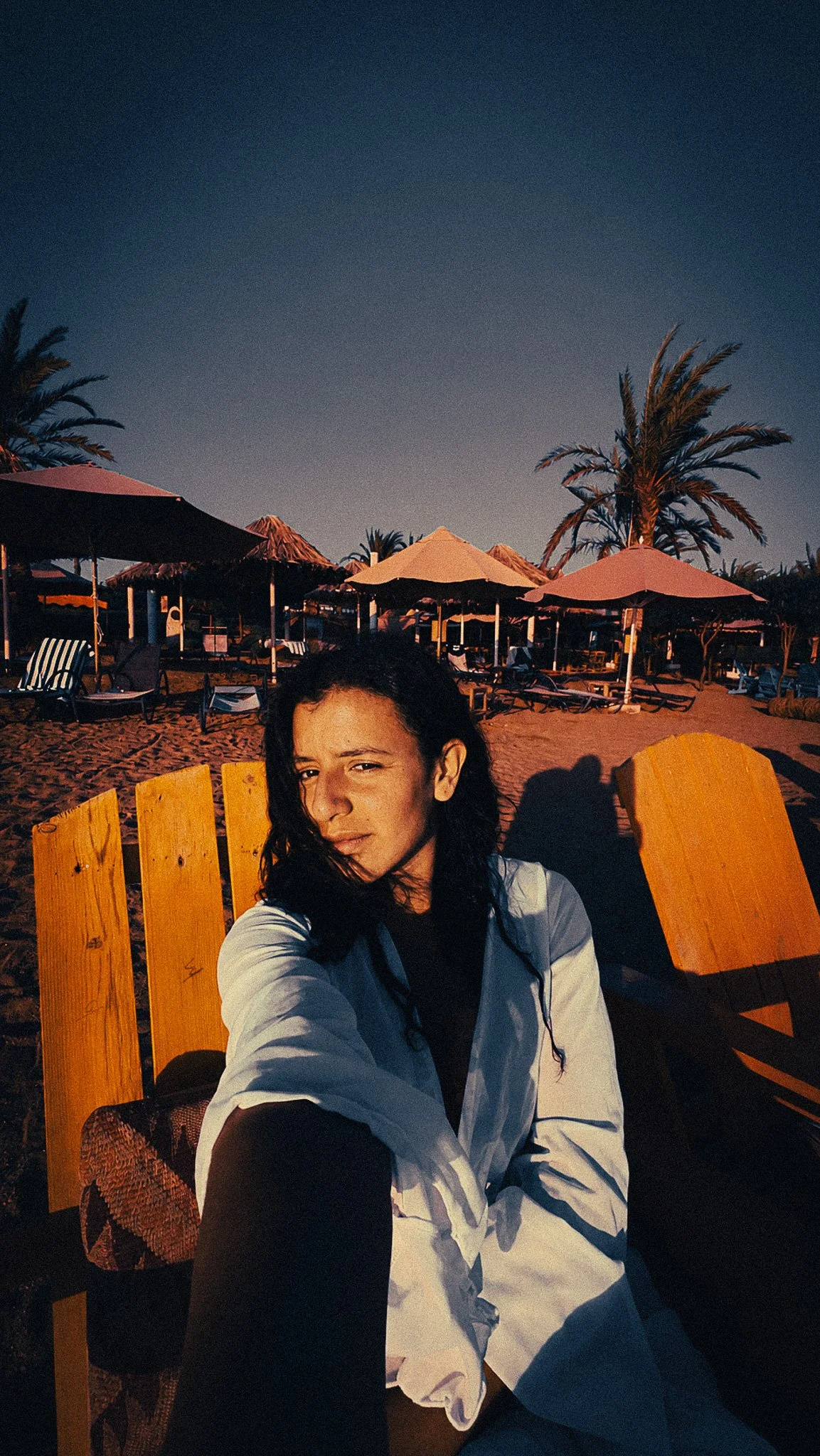
Aqaba, where the itinerary finally slows down.
Day 12: Aqaba Slow Day
Keep a second full day in Aqaba. The Red Sea deserves more than one forced activity day, especially if you want to snorkel, dive, rest, eat locally, walk around and recover from the more intense parts of the route.
You need rest days in Jordan. Petra is tiring. Wadi Rum is physically and emotionally intense in a quieter way. Aqaba gives you space to breathe before heading north again.
Use this day slowly. Go back to the water, do another dive or snorkel if that is your thing, eat, walk, rest, and do nothing without feeling guilty.
Day 13: Return North to Amman or Madaba
Use day thirteen to return north. Do not sleep in Aqaba or Wadi Rum the night before an early flight from Amman unless you enjoy stress.
You can return to Amman, stay in Madaba, or choose somewhere near the airport depending on your flight time. Madaba can work well if you want to be closer to the airport and avoid going fully back into Amman. Transport options include bus, domestic flight if available and affordable, private transfer or arranged taxi. Choose based on your budget and how much chaos you are willing to tolerate at the end of the trip.
This buffer day matters. Without a car, you need to respect distance.
Day 14: Fly Out
Keep the final day simple. Get to the airport, have a final coffee or meal if time allows, and leave without trying to add one more dramatic stop. The goal is to leave Jordan with memories.
Fourteen days gives Jordan room to breathe. It lets Amman feel like a city instead of an arrival point, Petra feel like an ancient landscape instead of a photo mission, Wadi Rum feel like silence instead of scenery, and Aqaba feel like the Red Sea instead of a rushed footnote.
How to Travel Jordan Without a Car
Jordan is possible without renting a car, but I would not pretend every route is easy public transport. Amman is simple with walking, taxis and Uber. Aqaba to Amman is easy with the JETT bus. Wadi Rum transfers can be arranged through camps or local hosts. The awkward legs are usually around the Dead Sea, Wadi Mujib and Petra.
My advice is simple: use public transport when it actually works, and pay for a taxi or transfer when it saves you from losing half a day. Budget travel is not supposed to mean turning yourself into a martyr with a backpack.
Jordan budget reality
How Much Did Two Weeks in Jordan Cost Me?
I spent around £1,200 for two weeks in Jordan, not including my flights. That covered accommodation, food, transport, Wadi Rum, Aqaba, Berenice, diving, taxis, buses and all the little costs that appear because travel likes attacking your wallet quietly.
Accommodation
Simple hotels, practical locations, Amman, Wadi Musa, Aqaba and Wadi Rum stays.
Food
Local meals, snacks, cafés and the usual “I’m hungry again?” travel nonsense.
Transport
Taxis, transfers, JETT bus, local movement and the no-car legs that needed planning.
Wadi Rum
Desert stay, village movement, local transport and the kind of silence money cannot really price.
Aqaba
Berenice, Red Sea time, diving/snorkelling, beach days and a slower ending after the desert.
Activities
Petra, Dead Sea, tours, entries and the things that make the trip more than moving between beds.
The honest budget truth
Jordan is not effortless cheap travel, but it can be done on a realistic budget if you stay in useful locations, eat locally, use buses where they actually work, and pay for transfers only when they save real time.
Read the full Jordan budget breakdownFAQ: 14 Days in Jordan Without a Car
Is 14 days enough for Jordan?
Yes. Fourteen days is a strong amount of time for Jordan, especially without a car. It gives you enough time for Amman, the Dead Sea, Petra, Wadi Rum and Aqaba without rushing every movement.
Can you travel Jordan without a car?
Yes, but not every route is smooth by public transport. Amman is easy with walking, taxis and Uber. Aqaba to Amman is simple with JETT. The Dead Sea to Petra leg is more awkward, so I would arrange a taxi or transfer.
Is Jordan safe for solo female travellers?
In my experience, I felt safe walking around central Amman, even at night. That does not mean every place is safe at every hour, but my solo female experience in Jordan was much more comfortable than I expected.
Should I go straight from Amman to Petra?
I would not. I would give Amman time first, then go to the Dead Sea before Petra. It gives the route a better rhythm and stops Jordan from becoming a rushed Petra delivery system.
How many days do you need in Petra?
I would give Petra at least two full days if possible. One day is possible, but Petra is huge, hot, dusty and physically tiring. Three nights in Wadi Musa gives you space to actually enjoy it.
Is Wadi Rum worth two nights?
Yes. One night gives you a photo. Two nights gives you the desert. Wadi Rum deserves time, especially if you want it to feel like a place and not just a stop between Petra and Aqaba.
Is Aqaba worth visiting?
Yes, if you want the Red Sea, snorkelling, diving, Berenice or a proper rest after Petra and Wadi Rum. If you do not care about beach or sea time, you can skip it and slow down elsewhere.
How much did two weeks in Jordan cost you?
I spent around £1,200 for two weeks in Jordan, not including flights. That included accommodation, food, transport, Wadi Rum, Aqaba, diving, beach club visits and local movement.