Conservation in Costa Rica: Turtles are in danger
Costa Rica is famous for many things, and one of them is turtle conservation. Many travellers, students and volunteers come here specifically to watch tiny turtles crawling towards the Caribbean Sea.
From the outside, it looks kind of cute, successful, and like finally, instead of destroying something as we usually do, humans are protecting these beautiful little creatures. Unfortunately, reality is much more complex than it looks.
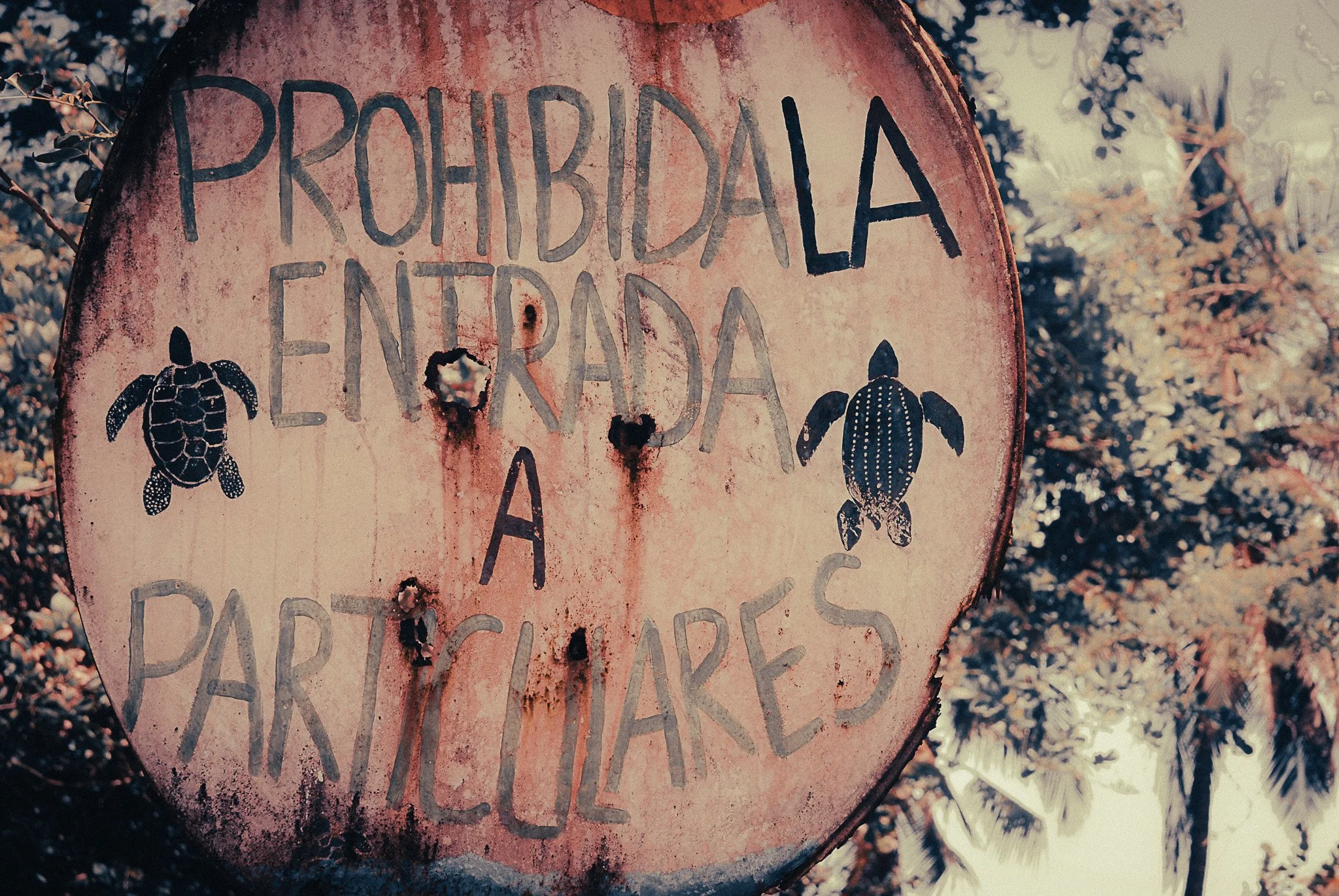
I spent some time volunteering in Parismina, a small village on Costa Rica’s Caribbean coast, and I witnessed the darker side of turtle conservation, something I did not want to hear about and something that made me feel frustrated, hopeless and angry. I didn’t realise how fragile the whole thing was.
Turtles are still hunted by people because, apparently, they are considered a delicacy. Who am I to judge, right? But I am convinced that something that may once have been a necessity, but no longer is, can be changed, even if for some it is considered part of the culture.
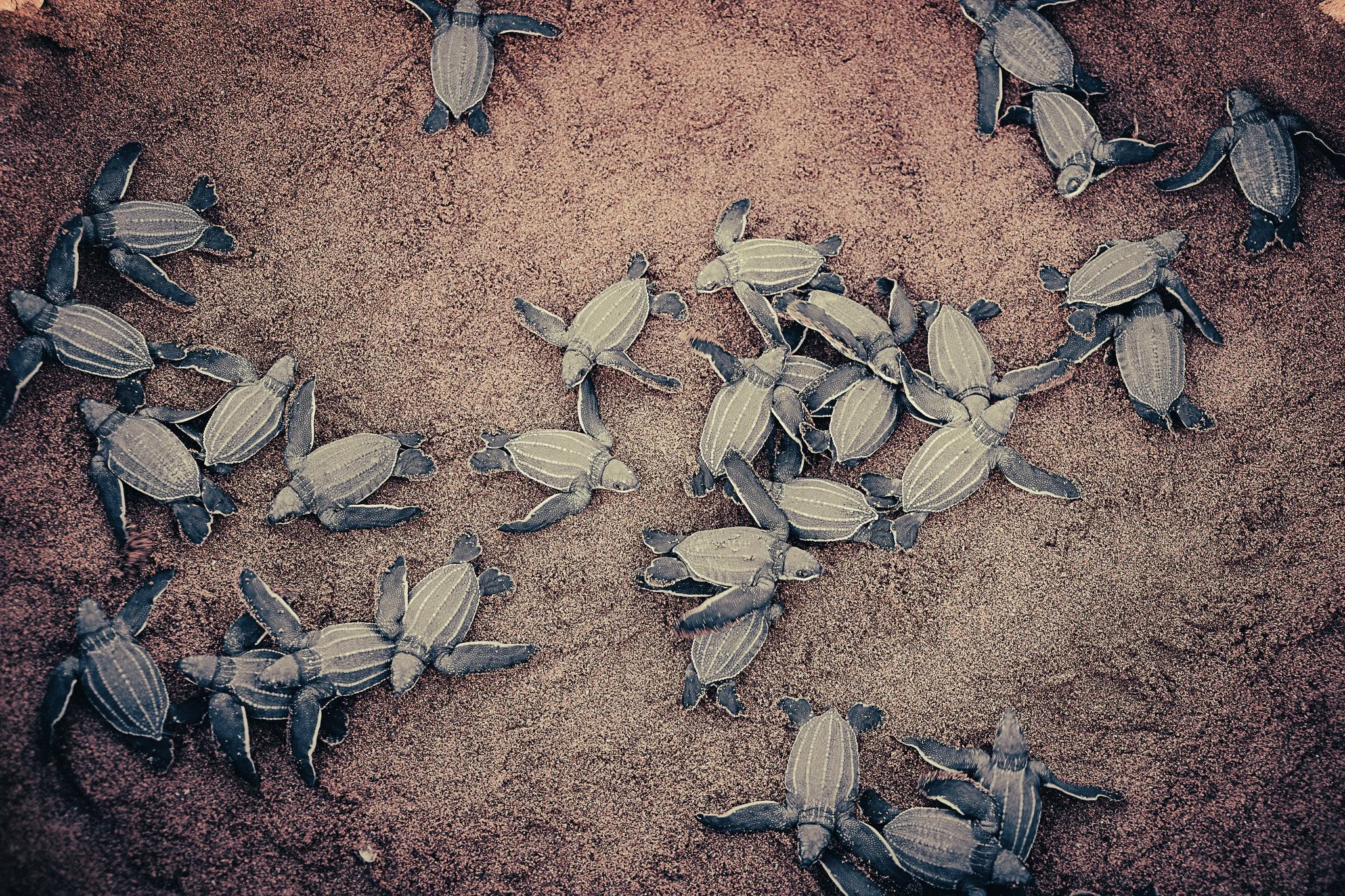
Jaguars also take them naturally. Nests are lost to tides. Add weather, erosion and other predators. Then add very few, almost no, volunteers helping the cause. I was the only foreigner in the village during my stay. That says a lot.
Parismina is located south of Tortuguero National Park, one of Costa Rica’s most famous wildlife destinations, yet very few travellers have ever heard of it.
And maybe that is exactly why the work here is so important.
Why Parismina is important for sea turtle conservation
In Parismina, three turtle species choose these beaches to nest: leatherback, green and hawksbill turtles. The main conservation organisation in this little jungle village is ASTOP.
Do not imagine some international company arriving with money and a logo. The story is much more interesting, and I would say, much braver.
ASTOP was founded by five young people from the village who decided that enough was enough. They wanted to protect the turtles while creating an alternative source of income for the community.
Local residents are employed as research assistants and volunteer coordinators, while families host international volunteers in their homes. This is not only turtle conservation.
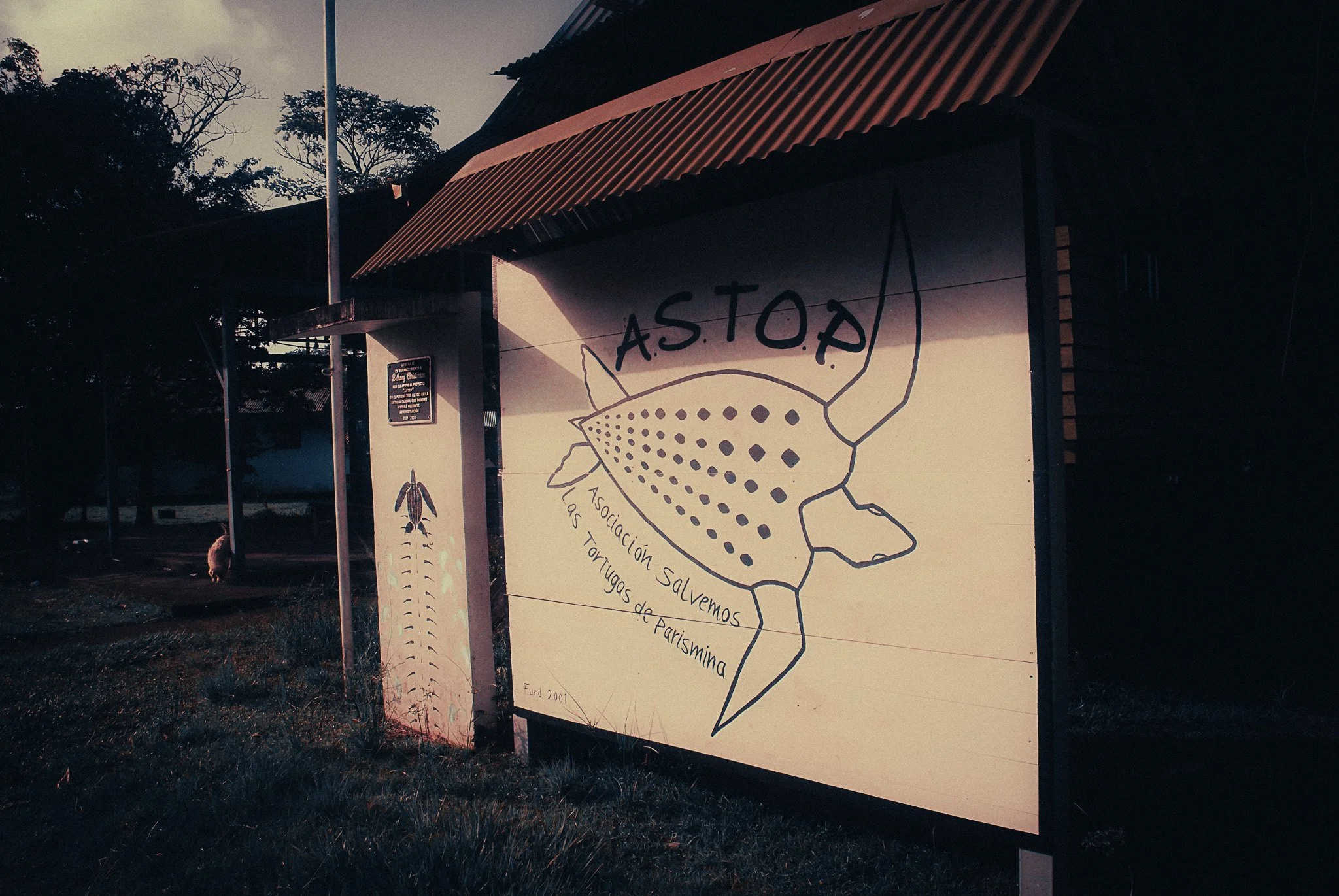
It is also about creating an economic opportunity for people who do not want to rely on hunting turtles to survive, but instead can earn from protecting them. That’s the thing with conservation: it is not only about the animals. It is also about the community living around them.
Teams patrol the beaches day and night, looking for nests and making anyone willing to take them think twice before doing so. They collect data, move eggs when necessary and place them somewhere safer until the hatchlings emerge and make their way towards the ocean.
And then another fight for survival begins. Nature takes most of them. Only a few will survive long enough to grow and roam the ocean.
What Amaya’s son told me
I already knew poaching was a problem, but I didn’t understand the scale of it until I met Amaya’s son one night while walking barefoot through the village.
He looked at me curiously. He was probably wondering who I was. Fair enough. This is a small, isolated corner surrounded by jungle, and my face was a new one. I smiled. He smiled back. We started talking, and the conversation eventually turned towards the turtles. It happened completely naturally. I could feel both his passion and his sadness.
He tracks the turtles and has witnessed some disappearing somewhere into the Caribbean. Maybe taken naturally. Maybe harmed by humans.
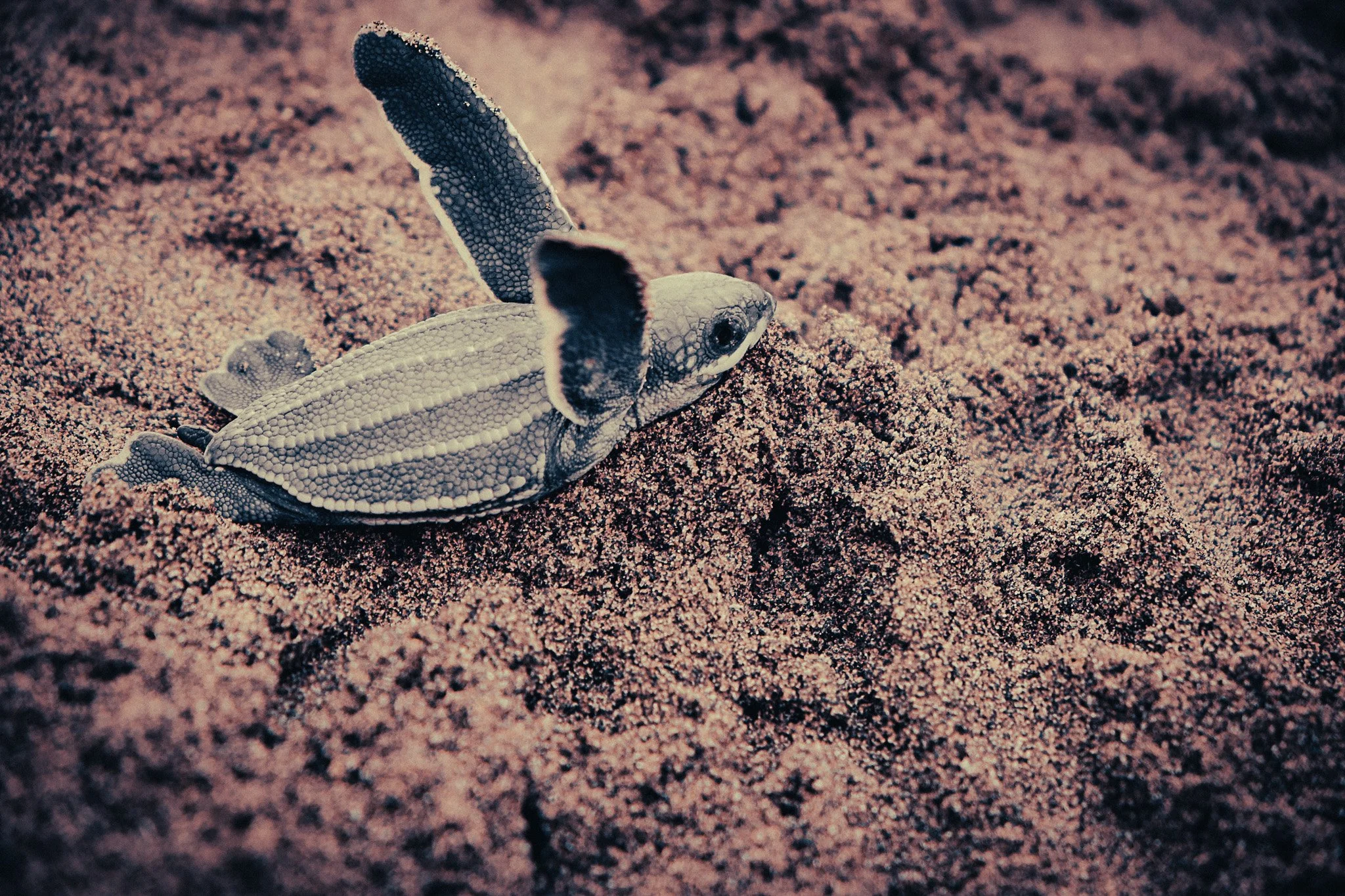
What worried him most was how few people were there to help. Almost no volunteers were coming. Almost no one was patrolling. The nests were still vulnerable, and he was only one person. He might be able to find a couple more people to join him, but that was it. When volunteers stop coming, families stop hosting travellers. Income becomes more difficult. The community suffers.
And then another uncomfortable question appears. Poaching has decreased overall, yes. But for how long, if conservation support disappears?
Jaguars also hunt turtles
This is where the story becomes more complicated. Turtles do not live inside conservation projects. They live inside ecosystems.
Before a turtle becomes an adult, it has already survived an absurd series of Olympic obstacles: flooding, nest predation, erosion, predators on the beach, predators in the ocean and years of life at sea. Adult females returning to their nesting beaches are also vulnerable, and on this part of Costa Rica’s Caribbean coast, that includes jaguars.

Jaguar predation on nesting sea turtles occurs north of Parismina, particularly around Tortuguero National Park. Surprisingly, researchers have found that despite sometimes dramatic numbers of green turtles being taken by jaguars, this natural predation is not considered a threat to the population there.

A jaguar killing a turtle may be horrible to witness, but a jaguar is not poaching. It is feeding itself. It is part of an ecosystem that has existed for far longer than any village around it.
And that raises an uncomfortable question. Who is the bad guy?
Unfortunately, it is still us.
Humans have contributed massively to the decline of sea turtles. But in our hands also lies some hope. Hope of protection. Recovery. Restoration.
What volunteering with turtles in Parismina actually looks like
If you are researching cute turtle conservation volunteering opportunities in Costa Rica and imagining petting turtles and swimming with them, I shall destroy that fantasy now.
Wildlife conservation sounds cool. But it is not a fashion trend.
You will walk for hours, sometimes through complete darkness, with barely another soul around. It is humid. It can be wet. You may see nothing. Or you might come across a nest that needs protecting.
During the day, you may help wash and clean facilities. At night, you can spend four hours walking along an empty beach looking for nests. You may help move eggs or release emerging hatchlings towards the ocean.
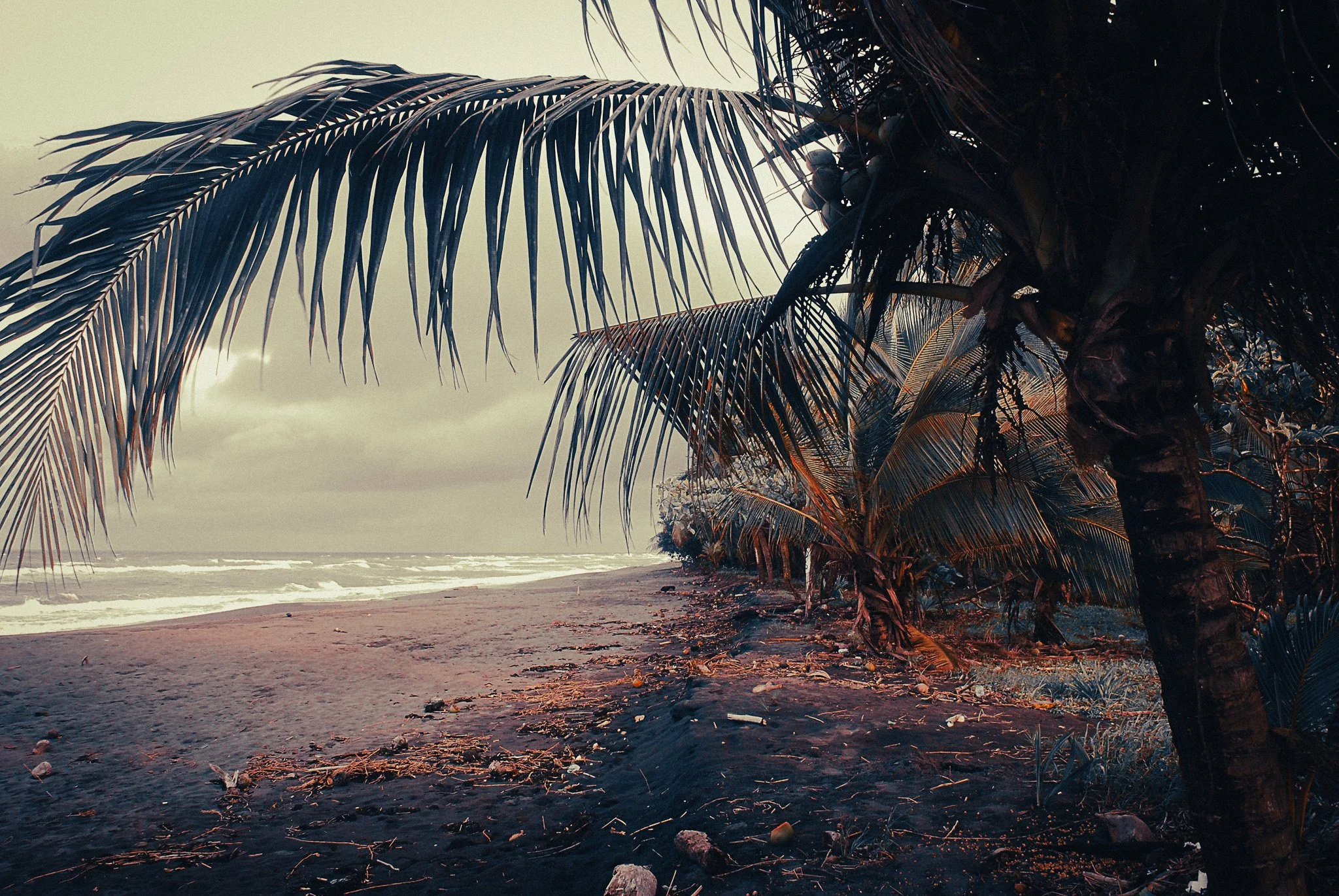

You will be surrounded by mosquitoes sucking your blood because, annoyingly, their babies also depend on it. You will be tired. And at some point, at four in the morning, you may genuinely wonder what on Earth you are doing walking along a pitch-black remote beach.
Is it fun? Sometimes. Is it worth it? Absolutely.
Every person who contributes helps, not only the turtles but the wider ecosystem. Sea turtles are more important than many people realise. Their decline can have consequences throughout marine ecosystems.
The domino effect is real. Something you do in a solitary village surrounded by jungle can affect an ecosystem hundreds or even thousands of kilometres away in the Atlantic.
How to volunteer with ASTOP
You can arrange your volunteer stay directly through ASTOP and organise accommodation through them.
They help with the practical side too, including directions on how to get there, which is actually surprisingly simple and slightly cinematic.
If you do not want to stay in a homestay, you can also stay with Amaya.It is still humble and simple, but offers a little more privacy and comfort for travellers who prefer that.

Where to go after Parismina
Parismina fits beautifully into a longer journey along Costa Rica’s Caribbean coast.
To the north, you can continue towards Tortuguero National Park, which can be reached by boat from Parismina. Locals will usually tell you which boat to take and when.
You can also travel south towards Moín and Limón, then continue by shared taxi towards Puerto Viejo. That is what I did. And it felt like much more than transport. It became a little boat expedition through jungle waterways where you might spot crocodiles, howler monkeys and wildlife along the banks.
From there, you can explore Cahuita, Manzanillo and the rest of the southern Caribbean coast. You can even cross the border into Panama and continue towards Bocas del Toro. It sounds far more dramatic than it actually is. It is surprisingly close. The possibilities are many. It really depends on how much time you have and how far you feel like going.
Parismina is easy to pass by. A small village between jungle, river and sea, sitting quietly beneath the shadow of Tortuguero.
But every night, turtles still return to these beaches, following an instinct older than any road, border or village. Some will survive. Many will not.
Parismina does not need to become famous. It just needs enough people to keep showing up.