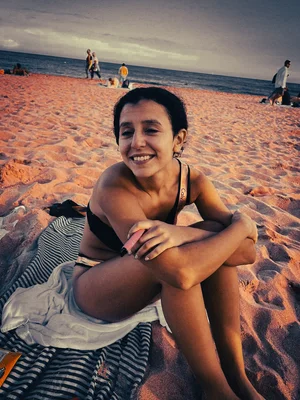
Sleeping Under the Stars in Wadi Rum Bedouin Camp
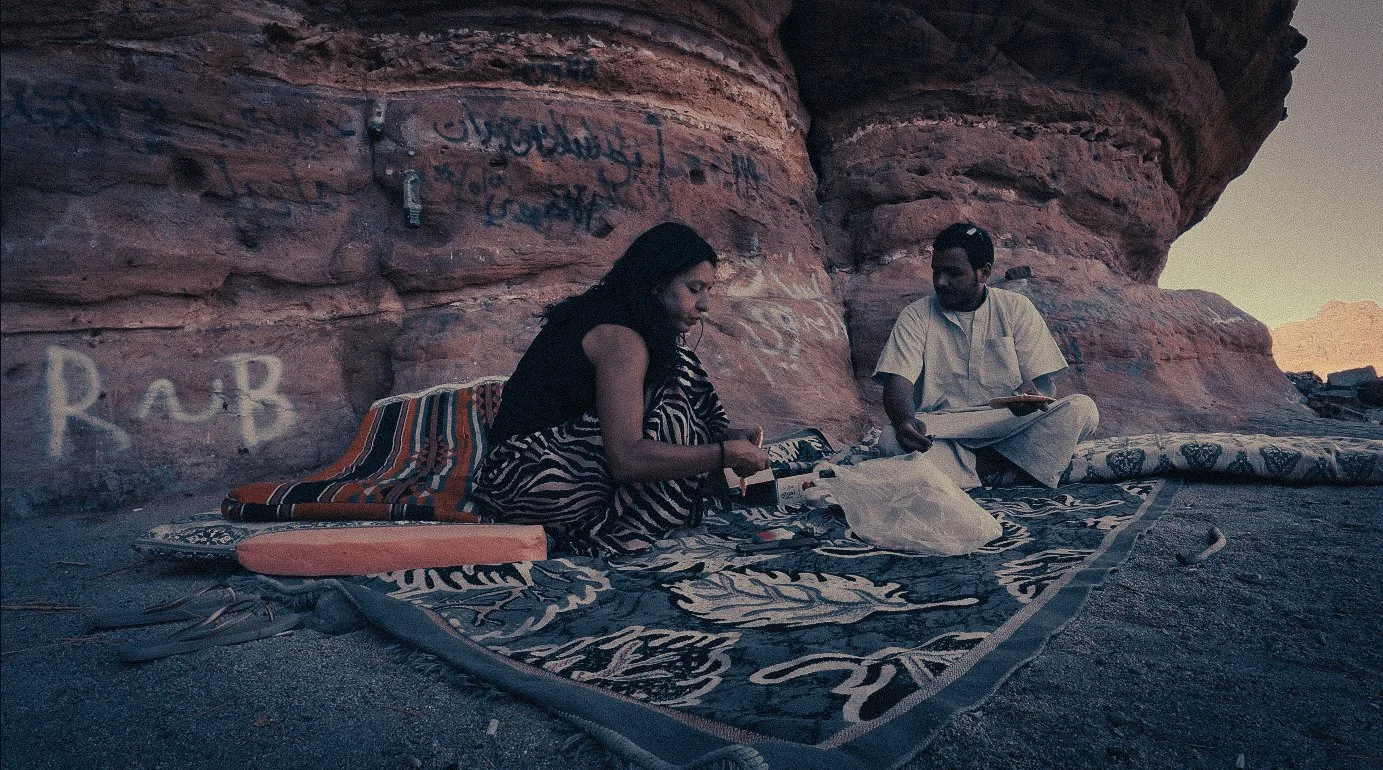
Breakfast with Ayman under the rocks in Wadi Rum. No camp. No itinerary. Just desert life.
I didn’t go to Jordan for Jordan, sounds rude now, because this country gave me one of the most if not the most important experiences of my life.
I was going to volunteer with Go Palestine in the West Bank, and for me this was not just a trip, this was THE trip. Not a cute little destination off the map. Palestine has been sitting inside my heart, very deep since I can remember, I wanted to go. Well, not to just go, I want it to feel it and let’s be honest, in a way… I did
In A Rush? Here Are My Favorite Places To Stay In Wadi Rum
★★★ Luxury Desert Camp — Check rates & availability
★★★ Decent Camp Inside The Park Area — Check rates & availability
★★ Budget Option, Still Nice — Check rates & availability
But I did not want to fly trough Tel Aviv. Around that time I was booking, there had been attacks and airport strikes, and the whole idea of being caught in the middle, just didn’t sit with me, you can imagine I did not want to be bombed. So I chose Jordan. I thought: I’ll fly to Jordan, cross the border, done, safe. My mistake was thinking that, it was just an other border. It wasn’t.
WADI RUM FIELD GUIDE
In This Guide
The day I tried to cross into Palestine.
On the day I was meant to cross, I woke up with the feeling you get when something big is finally about to happen. Butterflies in my belly turned into a little bit of bowel movement. I was nervous, excited and emotional. This was the day, after all the thinking, planning, dreaming, finally I was going to Palestine. Then I reached the Israeli controlled border and everything changed.
An officer stopped me. At first, it was just waiting, then more waiting, then taking aside for questioning. I expected questions, I’m not stupid. I knew entering won’t be that smooth but I didn’t expect the way it unfolded.
They asked me things that felt strange, too personal, almost ridiculous. At one point, I was asked about my diet, made me recite the Quran. My phone was unlocked, messages searched, my social media was opened. Not just the apps, but inside the messages. Conversations, contacts, things that were mine alone. They found messages with people from Gaza, people I have been sending money to. Then suddenly the way I was being questioned changed.
The feeling wasn’t “we are trying to understand your trip”, it was “we are trying to make you look like a threat”. I felt like every act of compassion was being turned into evidence. Every message, donation or connection. Every piece was being placed under the light and twisted until it looked suspicious. I never felt humiliation like that. Not fear exactly or anger, something deeper and uglier. It felt like being undressed psychologically. Like someone entered the private rooms of my life and started opening drawers.
There are moments when you realise power does not need to shout, it can just be sitting in front of you holding your passport and phone, asking you questions, making you feel like a criminal.
They made me wait again, and while I was waiting, there was also a Palestinian young man holding a German passport, trying to visit her mother on the other side. So close, yet so far. Around us, I saw families being split, I witnessed disrespect towards Palestinians that was so casual it made my stomach turn. Not being dramatic, it was normalised and it should not. When cruelty becomes routine, some stop seeing it as cruelty.
I sat there for hours, four hours, maybe more. Time becomes strange in situations like that, you’re not really waiting, you’re being held. I didn’t know if the person who would call my name would bring permission, more questions or something worse.
Eventually they came back, and told me I was not allowed to enter Israel for security reasons. That was it. No Palestine anymore, no volunteering, no dream coming true. Just a sentence “for security reasons”. I did not argue even though I wanted to. I was burning inside. I was tired, angry, humiliated, and very aware that I was not in a position where escalation would help me. Getting arrested at the border is bad business, and I had no intention of adding that disaster flavour to the day. Life already had enough seasoning. So I got back on the bus. And then started crying.
Crying on the bus back to Jordan.
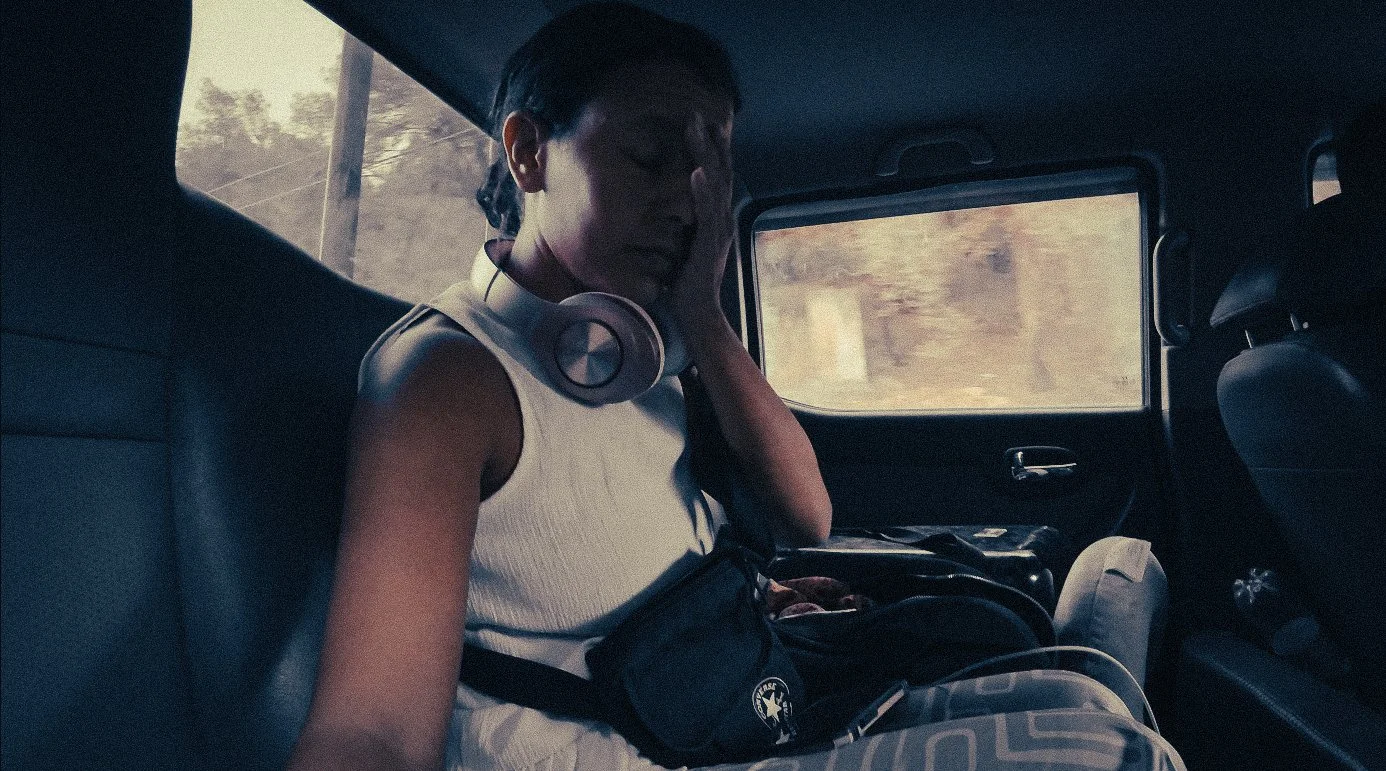
No signal. No plan. No Palestine.
Just the back seat of a bus, a body that finally broke, and the strange silence after humiliation.
I cried in a way I had not cried as an adult. Not elegant crying. It was helpless crying, the kind your body takes over because your brain has run out of ways to pretend that everything is fine. I had no signal, no plan, no Palestine and no idea what to do next. I remember thinking: this is weakness, this is embarrassing…
I think my body understood before my mind did. Something was been taken away from me that day, not just a travel plan, but dignity, privacy, hope and the feeling that I could move freely to something I loved. And there I was, still not done with the questions.
The Jordanian police asked me why I had been stopped. That also felt strange, I was already drained and now I had to explain my rejection like I understood it myself. I did not know, I only knew I was stranded in Jordan without signal. The country I entered as a route suddenly was the country I was stuck.
So I did something, asked for wifi and booked something in Aqaba, the only Jordanian city by the sea. The Red Sea. I thought, fine. If Palestine is closed to me, maybe I’ll sit by the sea for a few days and try not to lose my mind.
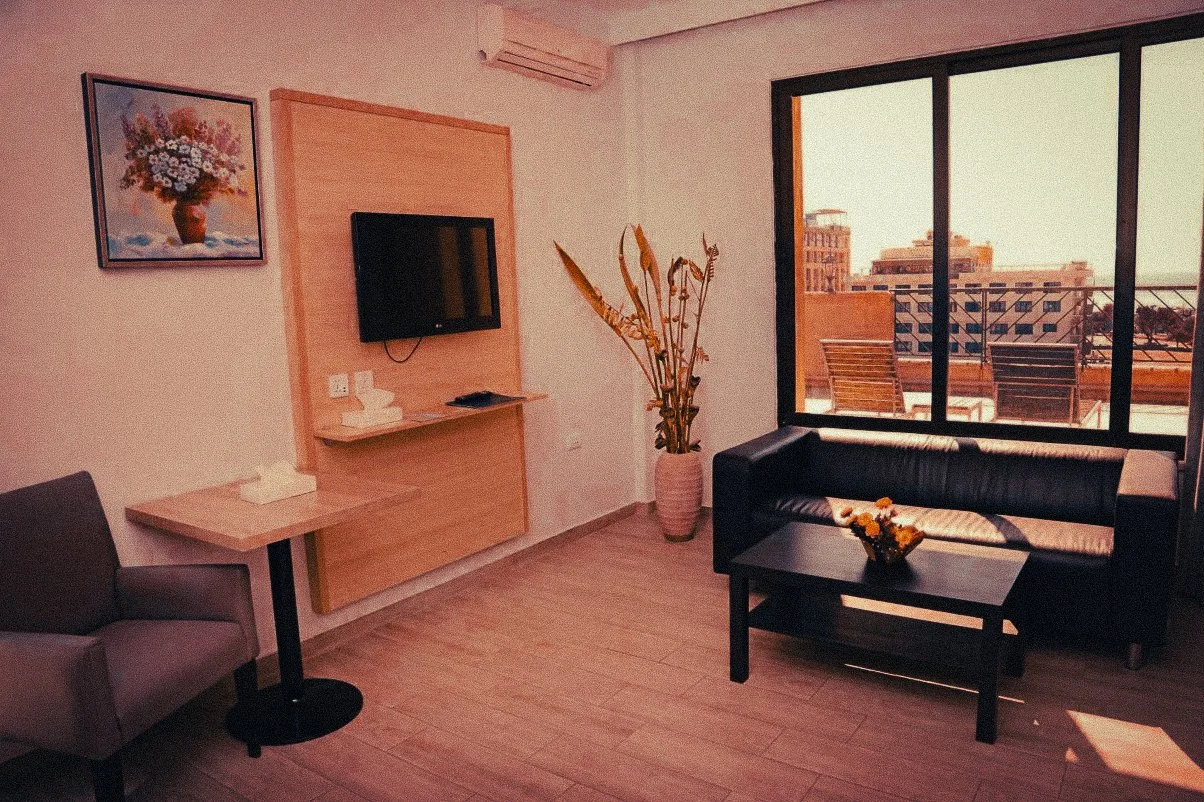
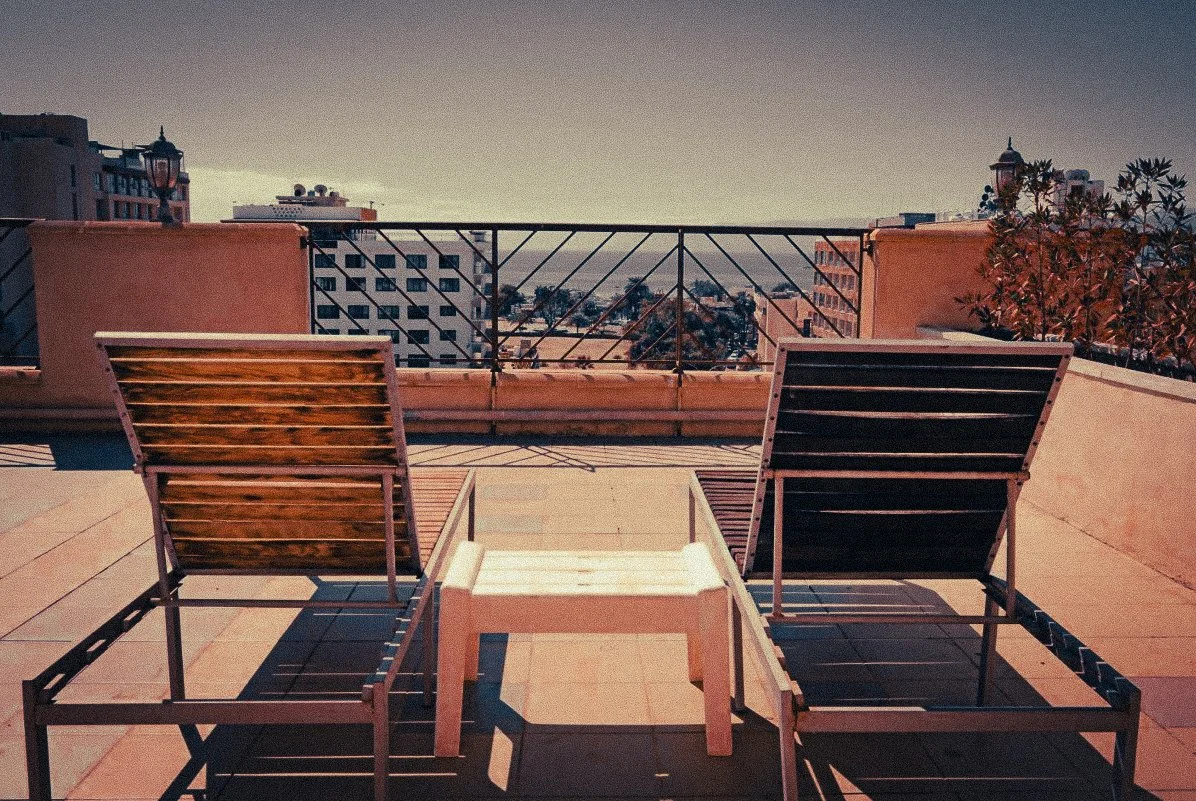
People at the border saw me crying, a man felt sorry for me and gave me a lift to Amman, and from there I got a bus down to Aqaba. It took around five hours. I was exhausted, empty, still carrying the border in my body. I have looked at the Golden Lotus Hotel in Aqabaand honestly, that place became part of the story too. I ended up in a rooftop room for 10 days and just paid £350. After the border that room felt like a divine intervention.
Aqaba was beautiful in a way I had not expected. The sea, the warmth. the rooftop, that feeling of being embraced, almost hugged after a day that had torn through me. My nervous system released, and I could breath again. And because I was still crying, emotional, I couldn’t process what happened. I made a video. I posted a reel explaining what happened at the border. Not as a content strategy, I wasn’t thinking about engagement and likes, I was just releasing. And this reel, changed the game.
The message from a Bedouin stranger.
A beduin man saw my reel. His name is Ayman. He messaged me because he felt sorry for me. He invited me to come to Wadi Rum. Not the wanderlust Wadi Rum you see in social media with luxury bubble tents and tourists pretending they have discovered silence for £180 a night. No. He invited me deep into the desert, where Bedouins live. I know how that sounds. “A woman alone, stranded after a traumatic border experience, saying yes to a stranger from the internet and going into the desert.” On paper, this sounds like the beginning of a documentary where everyone says, “She was adventurous,” in a very sad voice. This are the moments when your instinct starts reading people, intentions, not in a fake way to justify decisions. My intuition approved, I followed. I am glad I did.
Then here was someone offering something simple: come to the desert. No performance. No interrogation. No suspicion. Just hospitality, so I said yes.
The next day, I took a local bus toward Wadi Rum. It cost around £3 and looked like it had survived several historical periods and possibly one small war. It was retro, half-broken, but somehow still moving, which is basically the public transport version of me after that border crossing. The ride itself already felt like entering another world. Then I arrived, and there was Ayman waiting for me. With a barely working jeep. To start it, he had to connect wires. Naturally. Because why would healing arrive in a normal vehicle with functioning ignition? That would be too easy.
And just like that, I got into a jeep with a Bedouin stranger and drove into Wadi Rum.
This was not a Wadi Rum tour
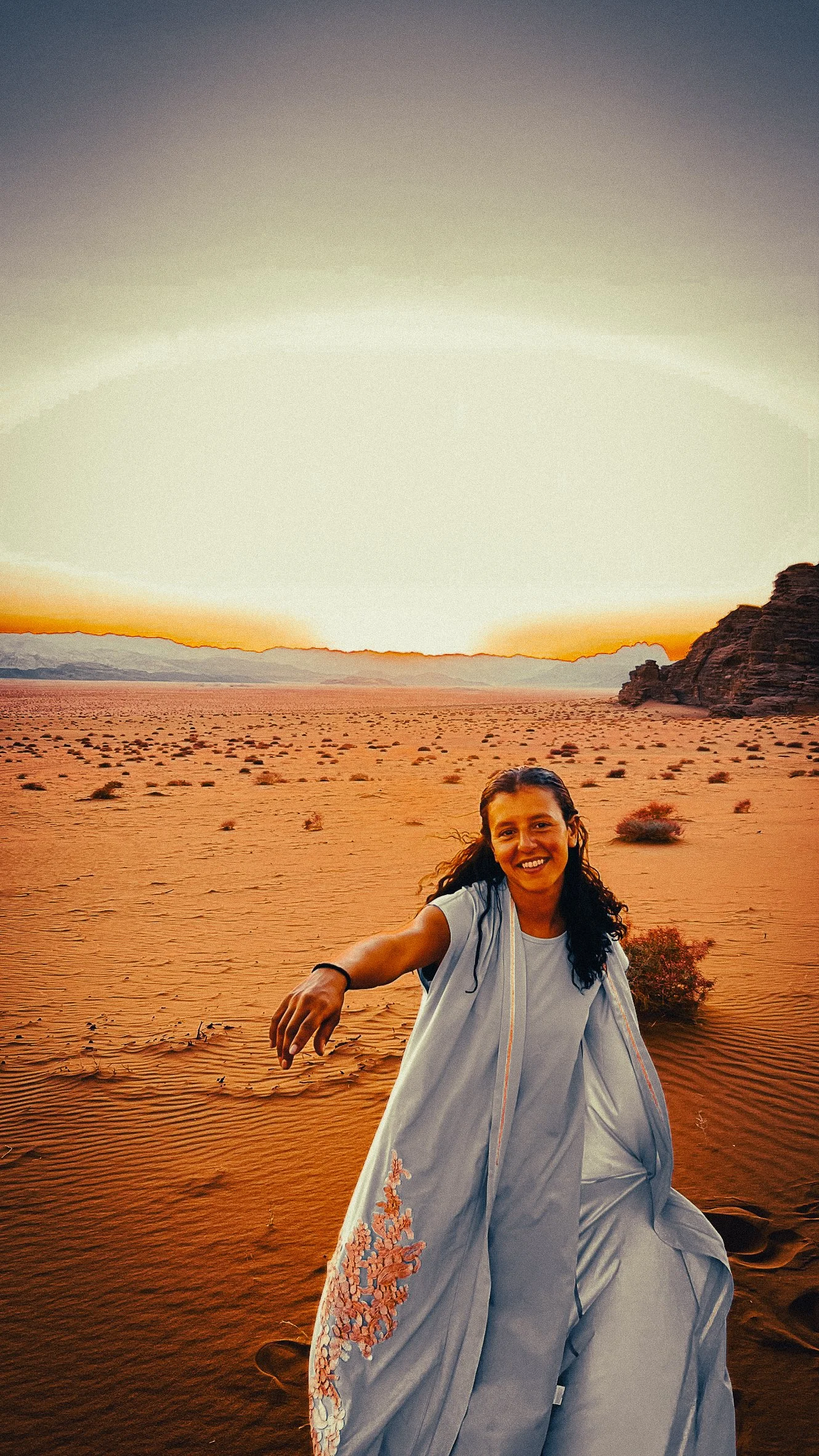
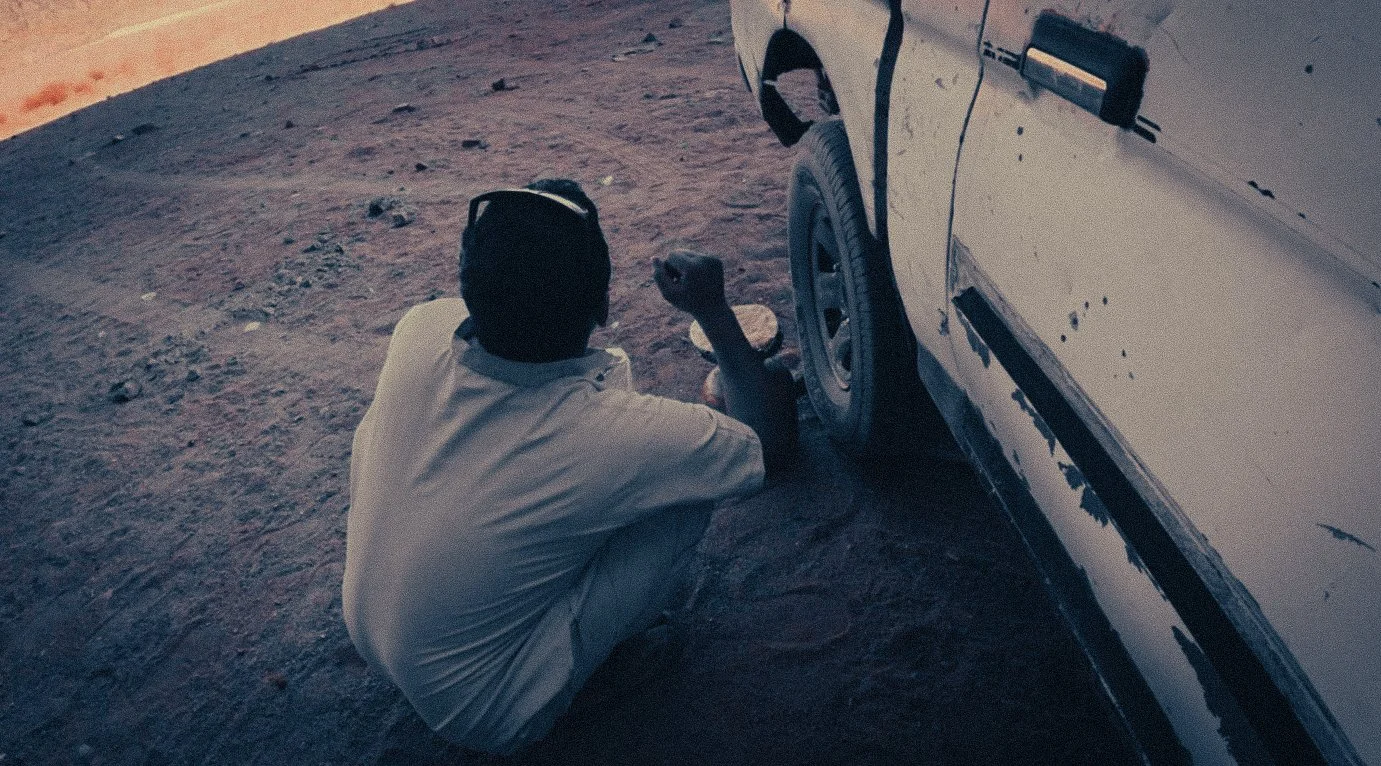
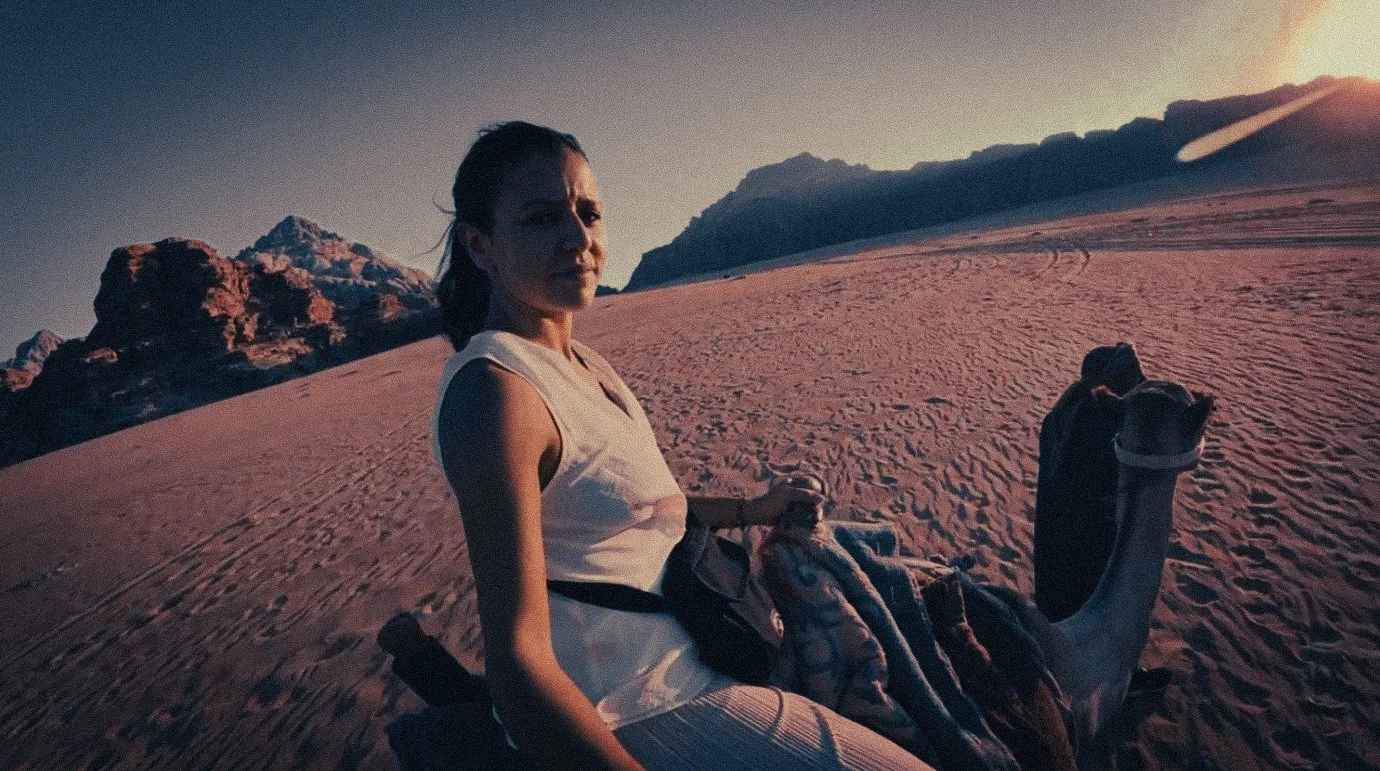
The strange thing is, I did not really “do” Wadi Rum. There was no neat itinerary, no polished desert camp schedule, no list of attractions, no carefully arranged “sunset viewpoint” or “traditional Bedouin experience” packaged for tourists. I was not moving through the desert as a customer ticking things off. I was just there. Existing. Breathing. Following the rhythm of the place instead of forcing my own plan onto it.
For three days, I wandered through the desert with Ayman. We moved from one place to another, often looking for shade because under the rocks and cliffs it could feel surprisingly fresh. The desert was hot, yes, but the shade had its own climate, its own silence. It felt like the land knew how to protect you if you understood where to sit, when to move, and when to stop trying to control everything.
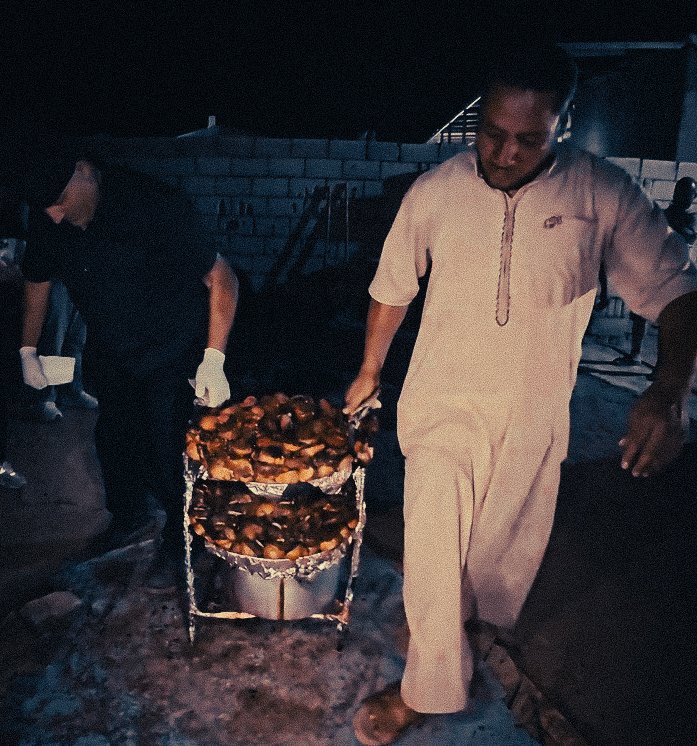
We met other Bedouins along the way, men who seemed to appear naturally out of the landscape, as if the desert itself had placed them there. There was tea, fire, greetings, conversation I did not always fully understand but somehow felt. Nobody was rushing. Nobody was performing. Nobody was trying to turn the moment into content, which is rare now because apparently humans discovered cameras and immediately lost the ability to experience anything normally.
Everything slowed down. Food was cooked on fire. Water came from bottles. Comfort became very simple. Shade. A drink. A place to sit. A blanket at night. The day was not divided by notifications, work messages, appointments, or the usual nonsense we have invented so we can suffer in organised blocks. The day was divided by light. Morning, heat, shade, sunset, fire, stars. That was it.
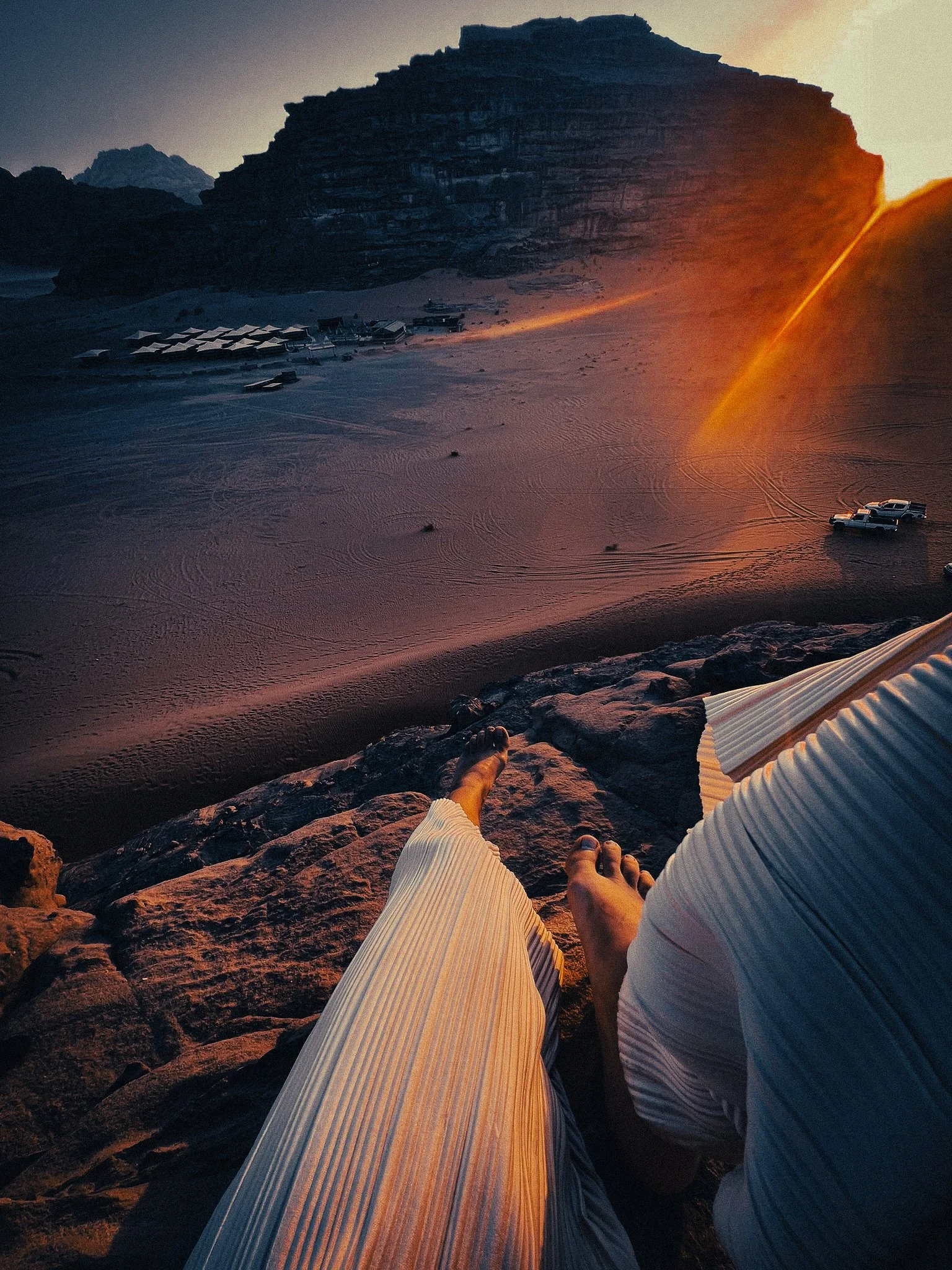
At night, I slept on a mattress in the middle of the desert. No tent, no room, no ceiling. Just sand, blankets, rock, and sky. The first night, my body noticed the exposure immediately. We are so used to walls, doors, locks, and little rectangles of safety that we forget how strange it is to sleep completely open to the world. But then I looked up, and I have never seen a sky like that in my life.
There is something deeply humbling about sleeping under stars like that. Not the fake Instagram kind of humbling, where someone posts a sunset and then checks the likes. Real humbling. The kind that makes you feel small, but not worthless. Small like a creature. Small like something alive. After the border, after the questioning, after feeling reduced to suspicion, that sky gave me a different kind of smallness. Not humiliation. Perspective.
One night, I woke up needing to pee, because no matter how spiritual the desert becomes, the body remains loyal to its little needs. I walked away from the mattress toward some bushes, half-asleep and wrapped in darkness. Then I heard a howl. I froze. For a few seconds, the desert stopped feeling soft and healing and became very, very alive. I do not know if it was a dog, a jackal, or something else, but I know every survival instinct in my body suddenly clocked in for duty. Nothing reminds you that you are not the main character of the planet quite like standing alone in the dark desert hearing an animal call somewhere nearby.
The more I think about those three days in Wadi Rum, the more I understand why they mattered so much. It was not only the beauty of the desert, although the landscape was unreal. It was not only the stars, although I still think about them. It was the contrast. At the border, I was treated as a threat. In the desert, I was treated as a guest. At the border, every private part of me was searched. In the desert, no one asked me to prove my innocence. At the border, I was reduced to suspicion. In Wadi Rum, I was allowed to just be a person again.
Eventually, Ayman got sick, so I left Wadi Rum and returned to Aqaba. That was the end of that strange little chapter. I went back to the Golden Lotus Hotel, back to my rooftop room, back to the sea. Aqaba became my base after everything. I stayed there for ten days in total, and honestly, I loved it more than I expected. It was not part of my original plan, but by then I had started to understand that Jordan was not interested in my original plan.
The rooftop, the sea, the warm air, and the slow days after the intensity of Wadi Rum all became part of the recovery. I had gone to Jordan trying to pass through it. Instead, Jordan made me stop. And maybe that was the point.
Practical notes for Aqaba and Wadi Rum
Where I stayed in Aqaba
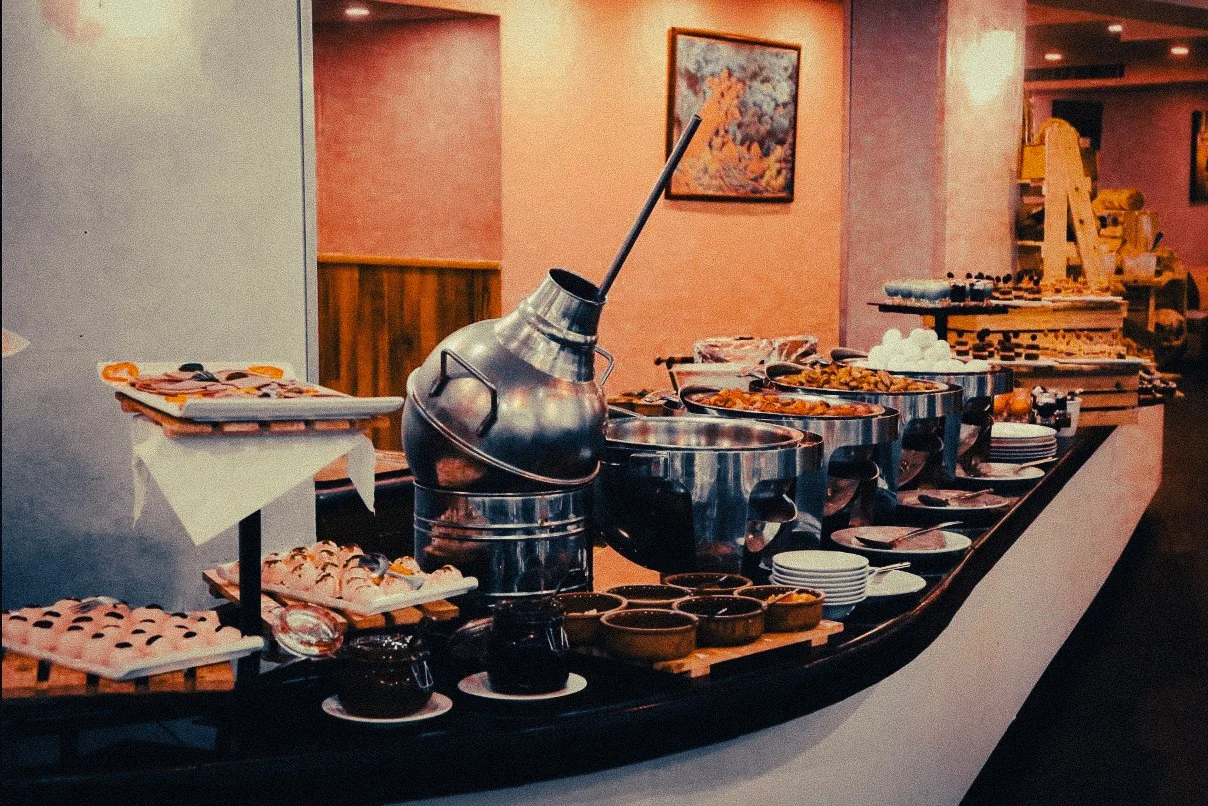
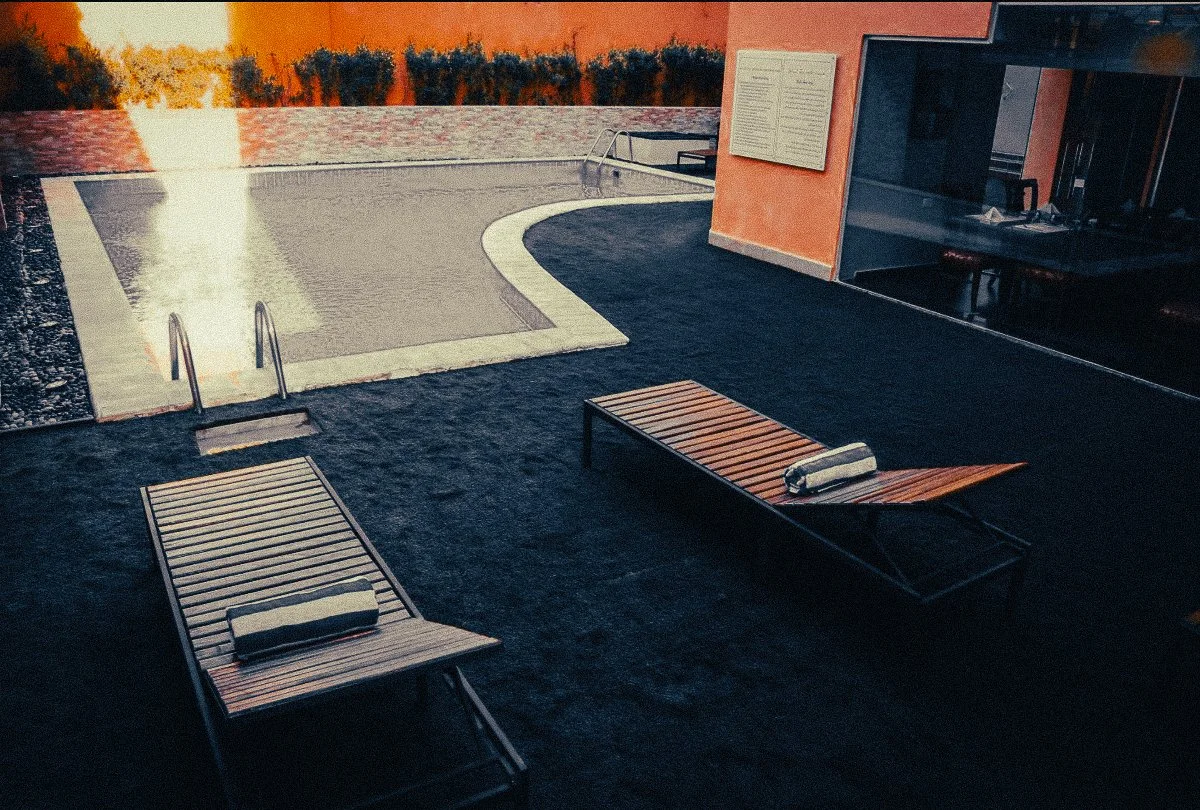
I stayed at Golden Lotus Hotel in Aqaba for around 10 days and paid about £350 for a rooftop room. After the border and Wadi Rum, Aqaba became my base: sea, warmth, a rooftop, and space to breathe. It worked well as a place to recover before and after the desert.
Sleeping in Wadi Rum
Most travellers stay in organised Wadi Rum camps, from basic Bedouin camps to luxury bubble tents. My experience was different: I stayed deeper in the desert with a Bedouin contact, away from the polished camp version. But I did stay initially in one of them bubbles, click here the see my experience.
I am not putting the Bedouin contact details publicly, but if someone is serious about a raw, local Wadi Rum experience, they can contact me directly. This is not luxury travel. It is simple, dusty, uncomfortable, beautiful, and very human.
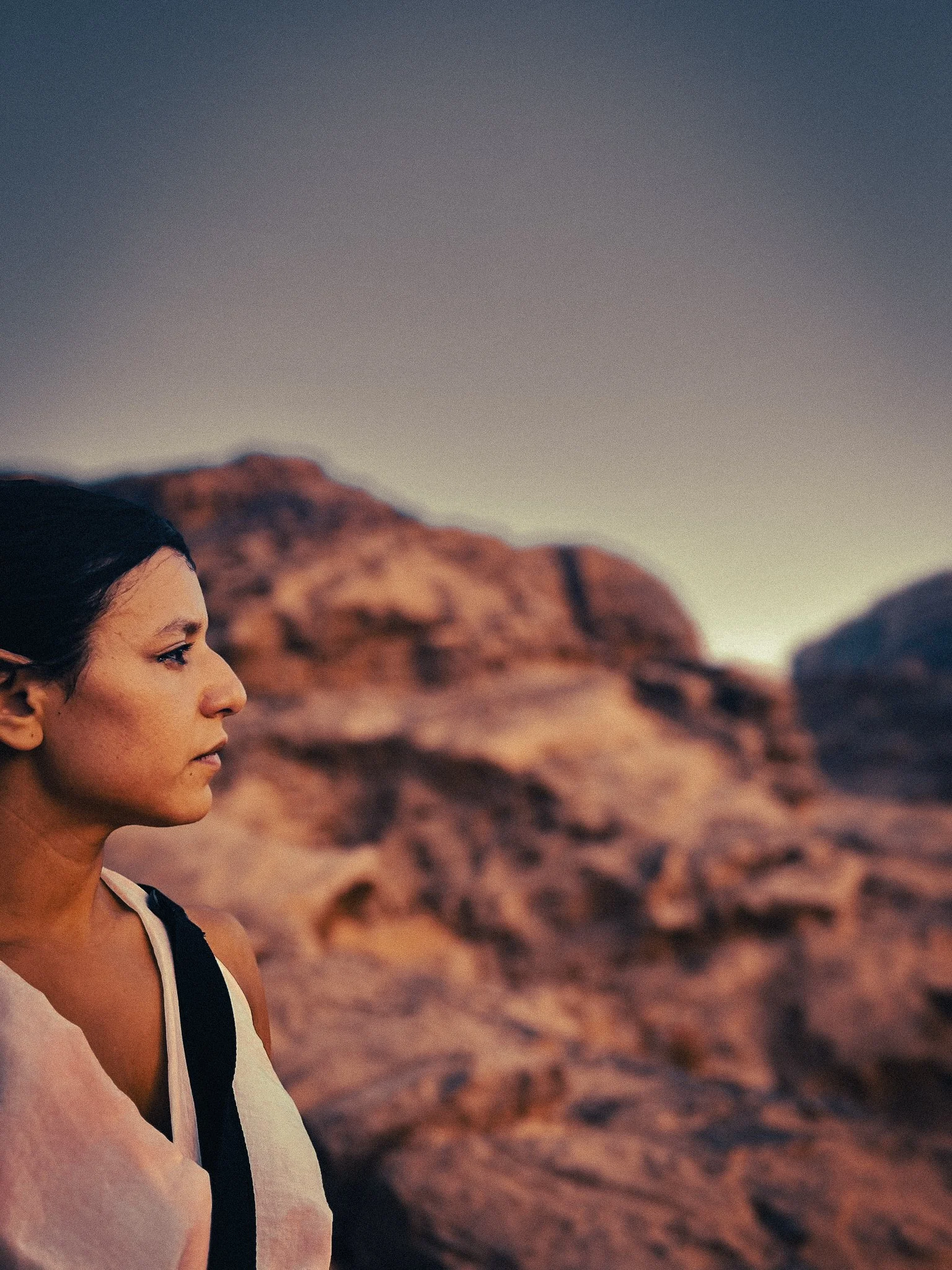
How I got from Aqaba to Wadi Rum
To get from Aqaba to Wadi Rum, I took the local minibus from Aqaba’s local bus station near Aqaba Police Station. It cost around 3 JOD, roughly £3, and goes toward Wadi Rum Village / Wadi Rum Protected Area. Local buses do not run like perfect European timetables. They usually leave when full, often around early afternoon, and several local camp websites say there may be no Friday service, so ask locally the day before. Look it up on Google Maps
There is also a JETT bus from Aqaba’s JETT Bus Station to Wadi Rum Visitor Centre, usually listed as leaving around 8:00 AM, costing about 15 JOD. This is more organised and better if you want to arrive in time for a normal camp or tour pickup.