Where to Stay in Jordan: The Best Bases for a Real Route
Choosing where to stay in Jordan is not just finding a nice hotel. Jordan is not a “stay anywhere and and the universe will align” country. It is a plan your route country.
Where you sleep is important because the country is small enough to look super easy on a map, but the map is liar and I only understood it once I stepped inside the county. Stay in the wrong place and suddenly your Jordan trip becomes a transport nightmare.
This guide is not a generic “best hotels in Jordan” list. Those already exist. This is where I would actually base myself in Jordan depending on the kind of trip you want: ruins, desert, Dead Sea, Petra, Red Sea, budget travel, or just surviving. You can read my 14-day itinerary through Jordan, where I explain in more detail this beautiful country and its little spots.
Amman: best for landing, eating, ruins and city chaos
Amman is probably the most useful first base in Jordan.
It is not soft. It is hilly, busy, brown, loud, layered, and very much alive. I liked that.
Traffic, ruins, cafés, cardamom coffee, old stone, markets, taxis, Roman leftovers, people moving everywhere. If you are arriving in Jordan, Amman gives you a proper introduction.
For the stays here, the links lean more into apartments and homestay-style places rather than big hotel energy. That makes sense for Amman. You do not necessarily need a resort here. It would be, in my opinion, a waste of money.
Best for: first-timers, food, city history, independent travellers, people who want Jordan to feel real.
Not best for: people who want silence, clean resort energy, this is a slightly chaotic city.
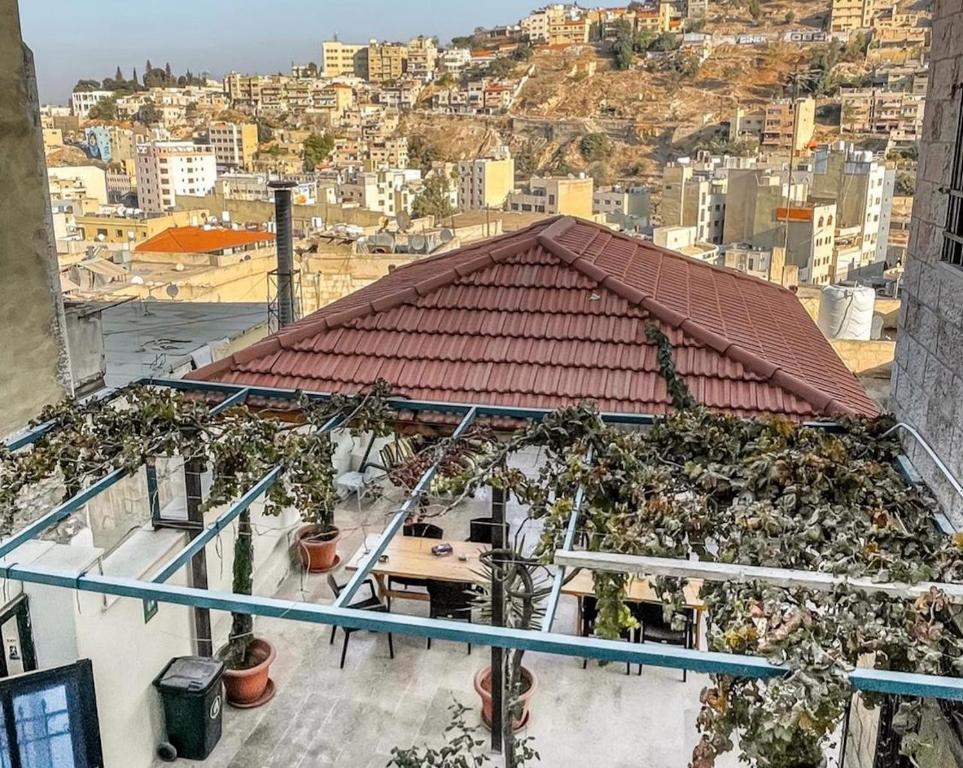
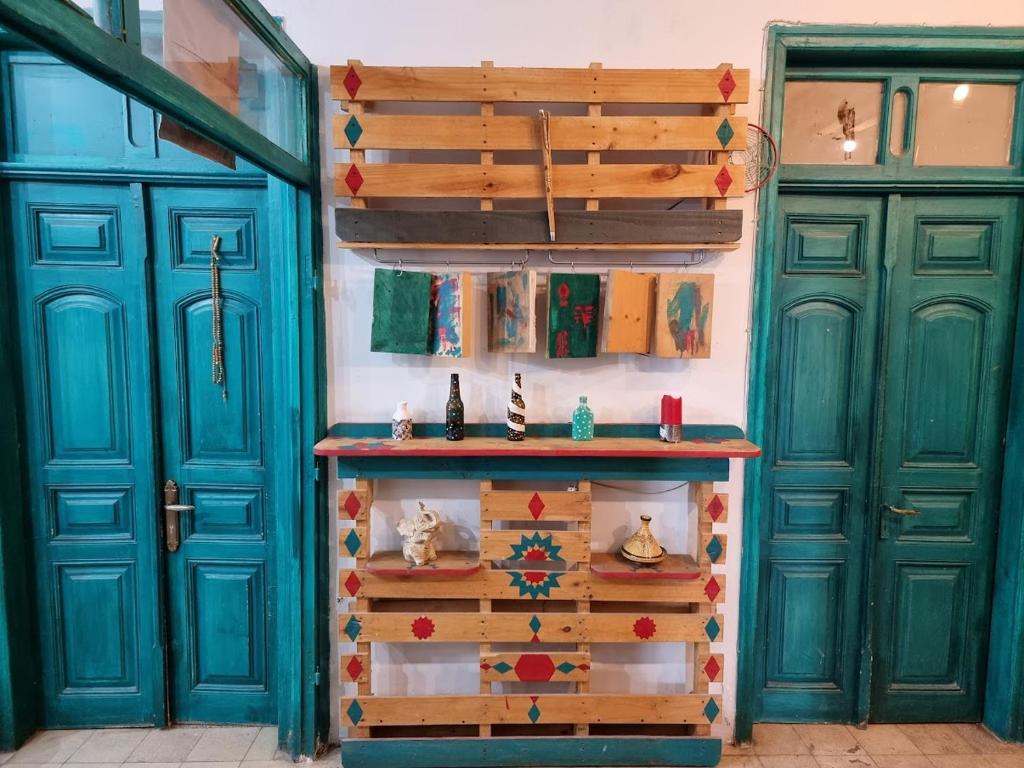
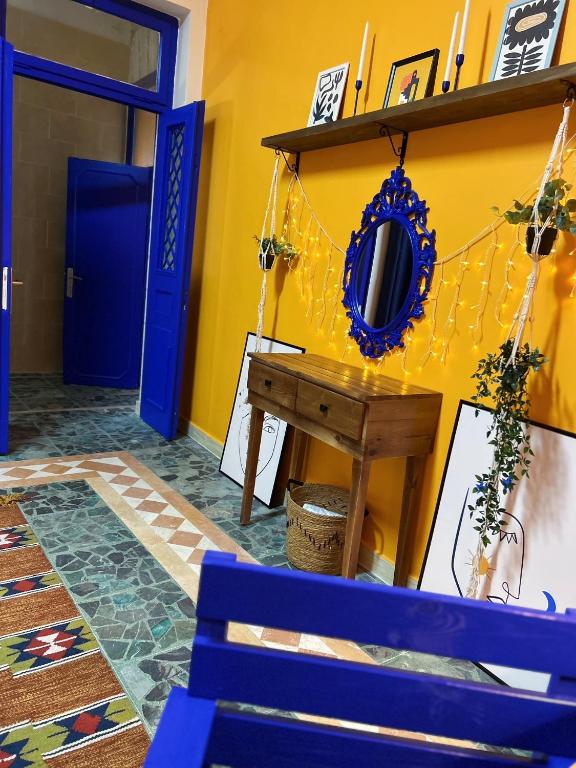
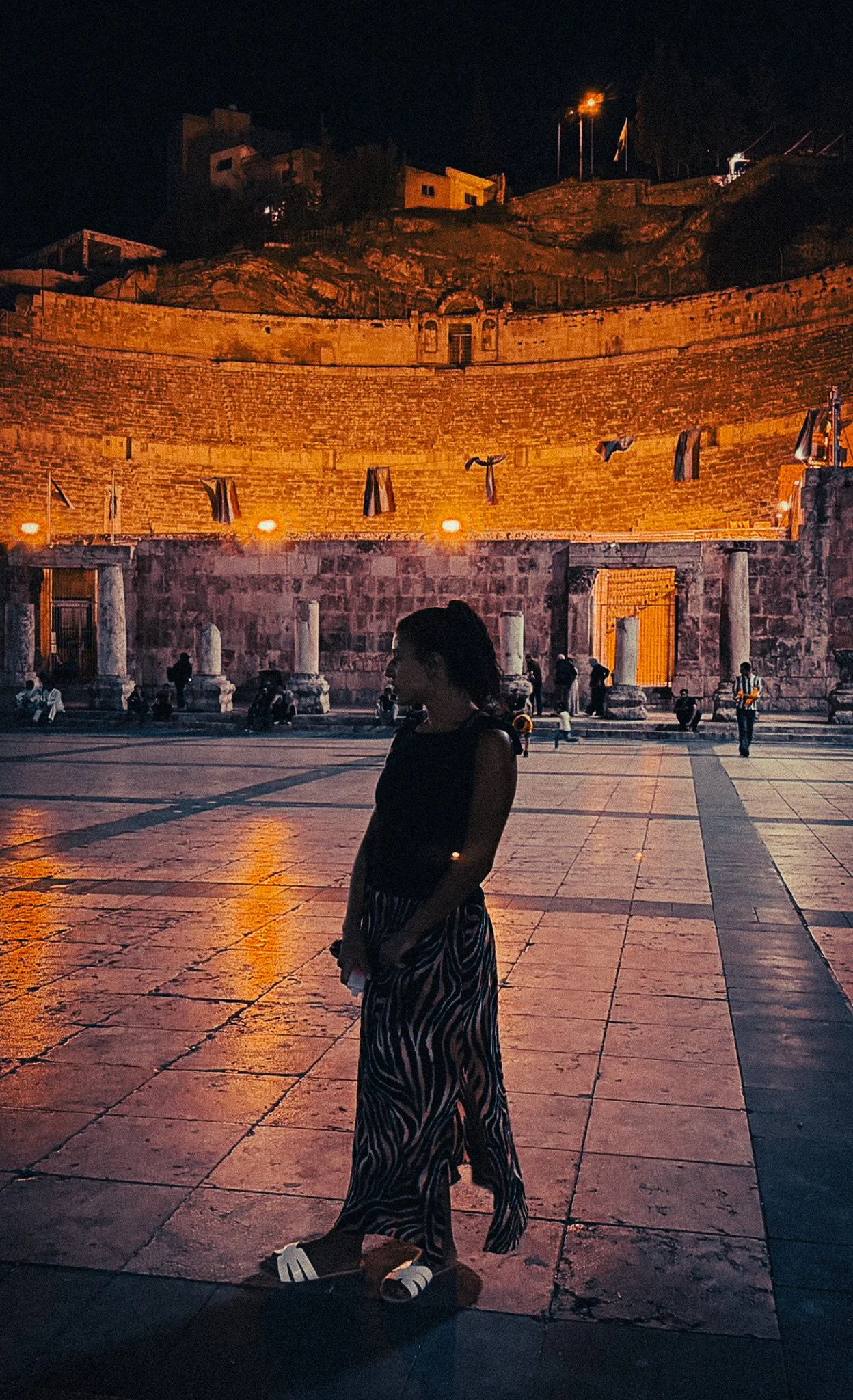
This is why I’d still start a Jordan route here before running south to Petra and Wadi Rum.
Dead Sea: best for floating, mud and a one night reset
The Dead Sea is strange in a way that is actually worth experiencing.
You float without trying. The mud turns everyone into a prehistoric skincare experiment. The landscape feels dry, salty, biblical, and slightly unreal. It is one of those places where your body understands the weirdness before your brain catches up. But I would not stay too long. I was told “do not put your face in the water”. What did I do? Of course, put my face in the water. Bad idea, I was blinded for about half an hour, don’t do it.
For most Jordan routes, the Dead Sea is best as a one night stop. You arrive, float, do the mud, watch the light change, rinse the salt off, sleep, smoke some shisha in the resort, maybe watch a belly dancer and sleep.
Best for: couples, rest days, floating, comfort, one night route breaks.
Not best for: travellers trying to keep Jordan very cheap, but I guess one night it’s still affordable.

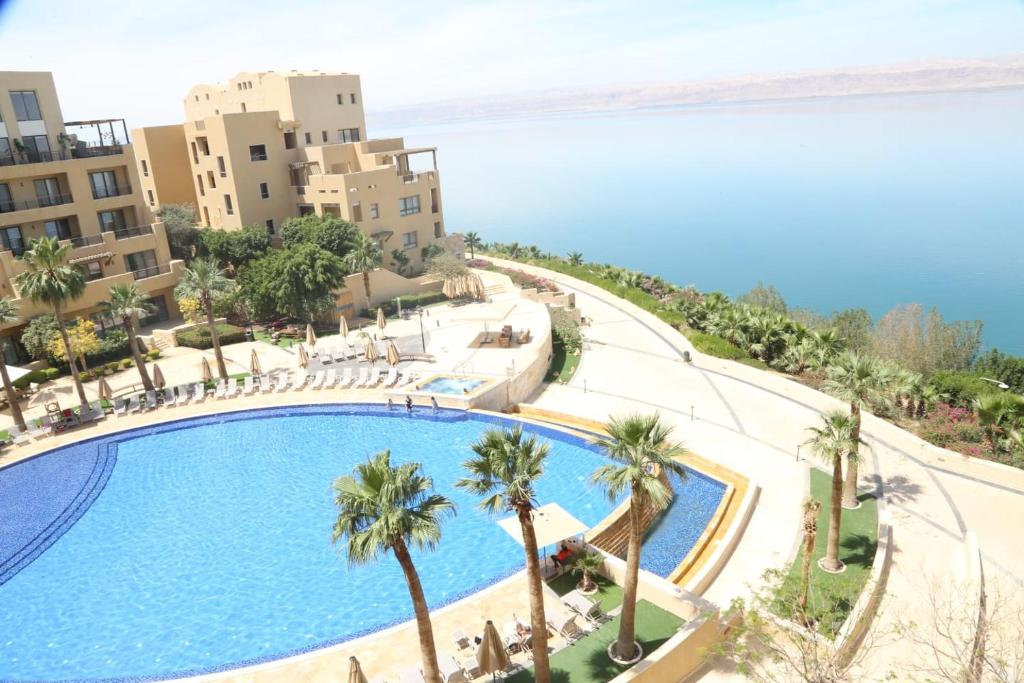
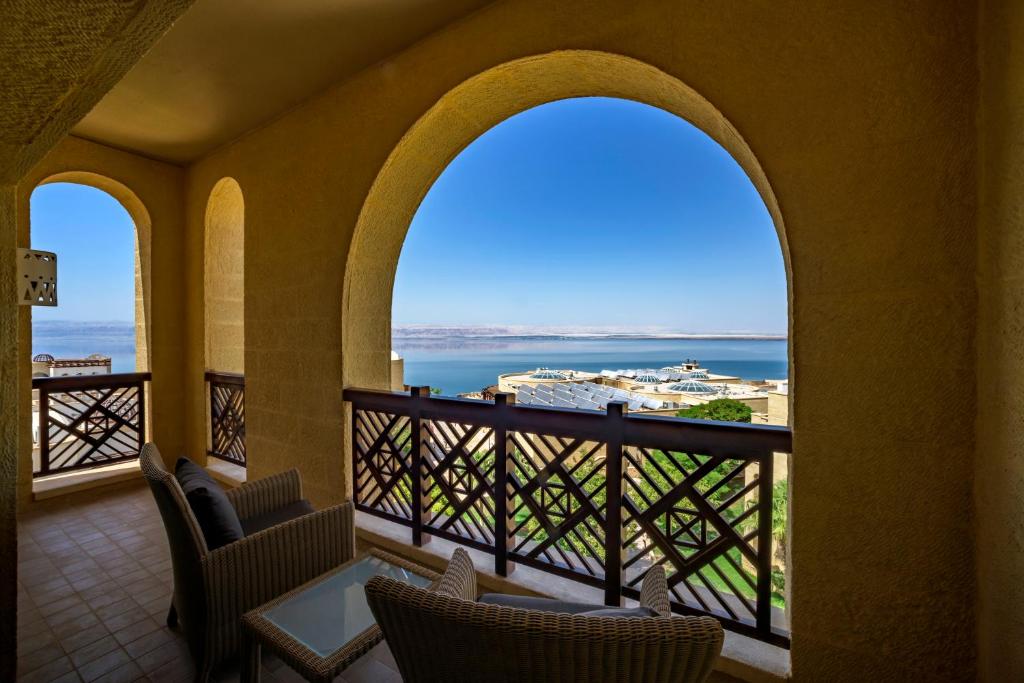
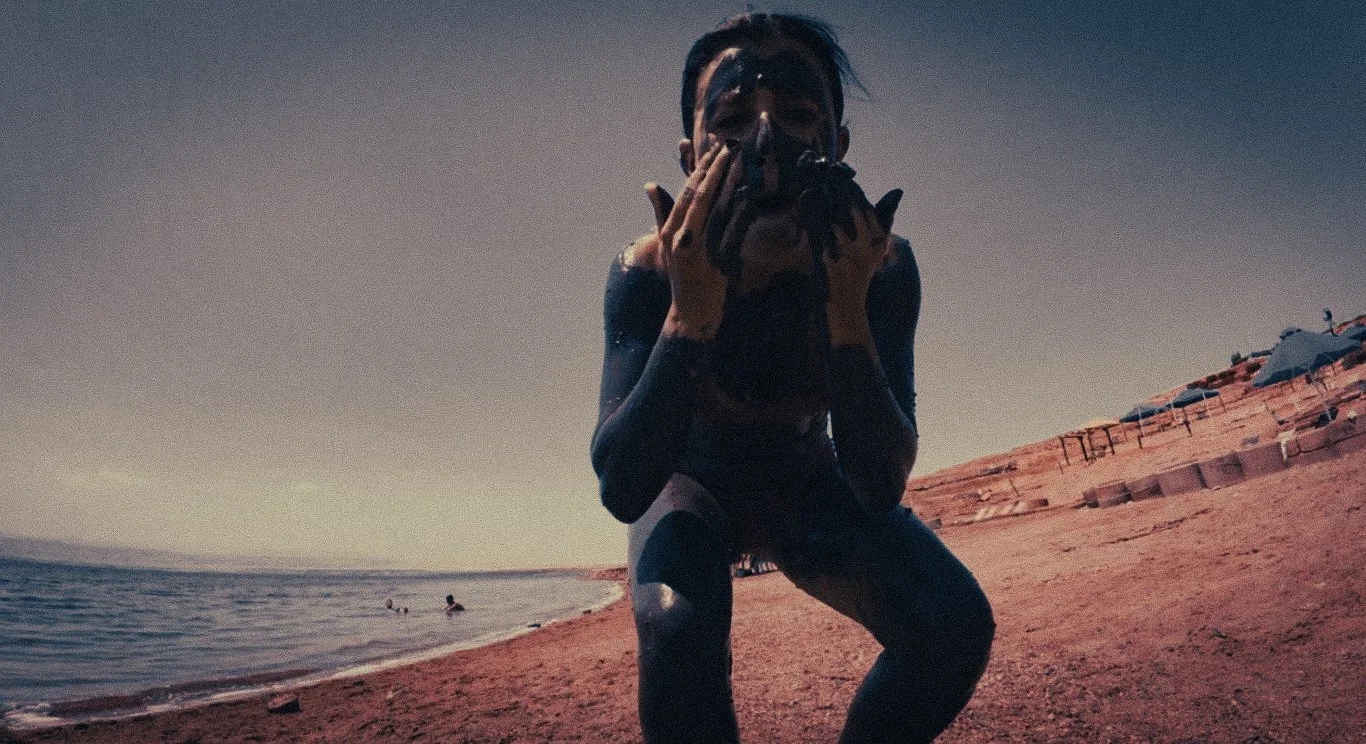
The Dead Sea is weird, salty and absolutely worth one night.
Wadi Musa: best place to stay for Petra
If you are visiting Petra, stay in Wadi Musa. That is the town next to Petra, and this is one of those strange travel rules actually, it is true. You can read the full guide of how I went Canyoning through Wadi Mujib.
Petra is not a small attraction. Unless you enjoy wasting money and disrespecting Nabataean engineering. The Treasury is basically the opening scene. After that, there are tombs, trails, viewpoints, the Monastery, steps, dust, heat, animals, vendors, and your legs quietly beginning a legal case against you.
I would stay two nights in Wadi Musa if Petra is important to you. One night can be ok, but it makes everything tighter. Two nights gives you room to arrive, sleep, start early, explore properly, and leave.
And please, check distance to the Visitor Centre before booking. “Near Petra” can mean many things online.
Best for: Petra access, archaeology, early starts, first-time Jordan routes.
Not best for: people who think Petra is a two-hour stop.


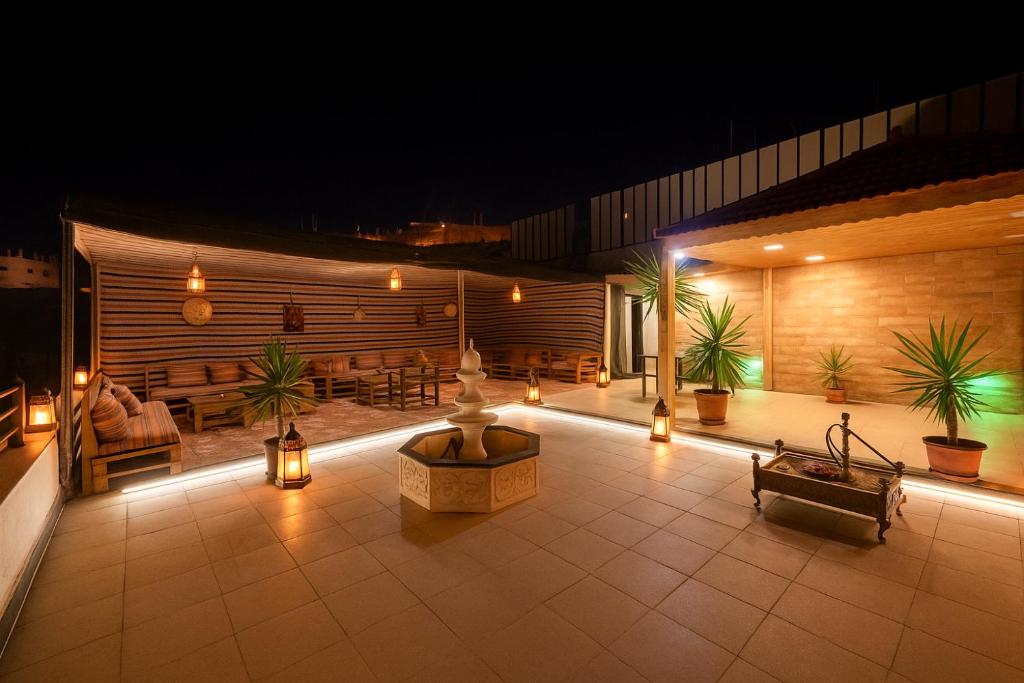
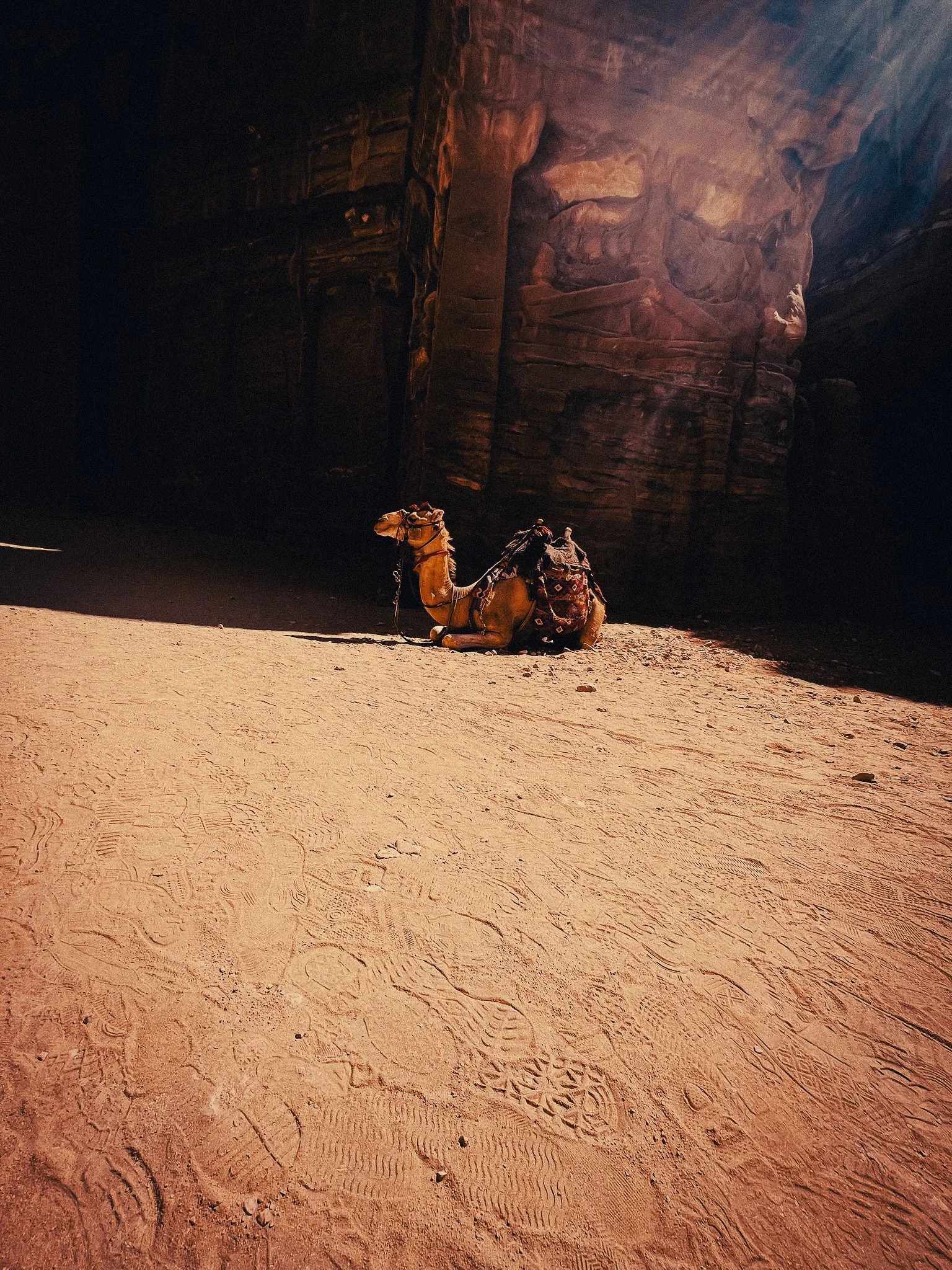
Petra is not a quick stop.
Wadi Rum: best for desert camps, stars and silence
Wadi Rum is where my trip became something different. I cannot explain why, but I was overly overwhelmed by its beauty. Seeing those massive rock formations, and how small I was in comparison. The sun setting in the horizon, there is nothing else than sand, rocks and a camel or two as decoration in the background. Wadi Rum is definitely the most special place I have ever visited.
It gave me that kind of silence that makes your normal life feel embarrassing. Like why are we all answering emails when this exists?
I stayed under the stars in Wadi Rum, you can read about it here. It is one of those places that hits the body. The silence of the night, the stars, all of it is worth living it at least once.
One night is enough for most people. Two nights is better if you want to slow down, watch the light change, do a longer jeep tour, or just sit there remembering past mistakes. We all have those, don’t we?
Best for: anyone really, why wouldn’t you?
Not best for: people who need nightlife, supermarkets, luxury certainty. It is the desert. Let it be desert.
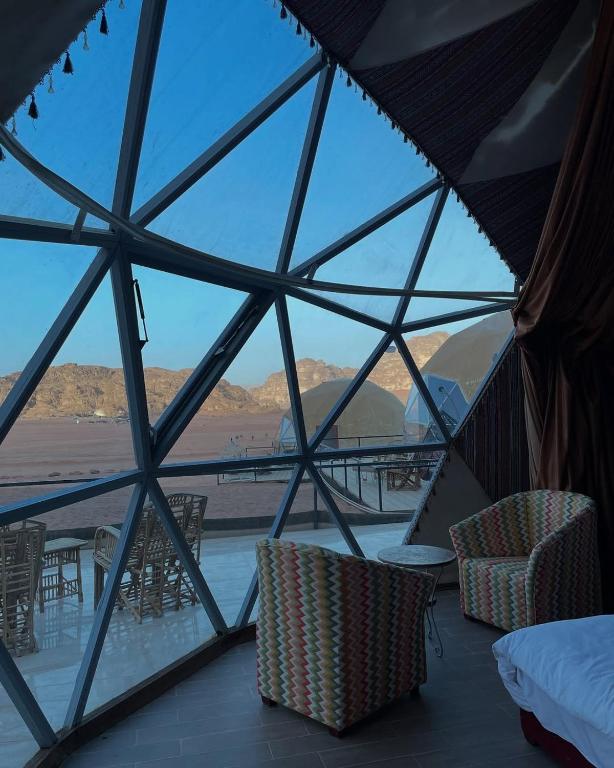
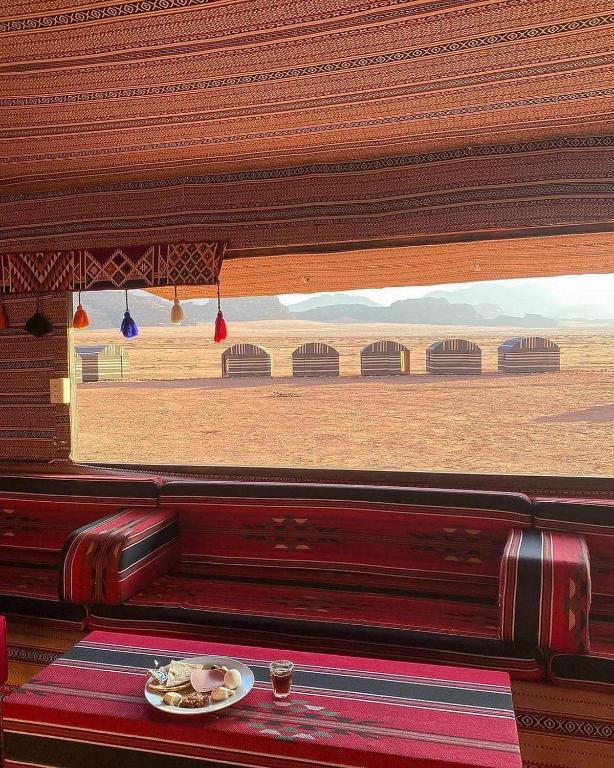
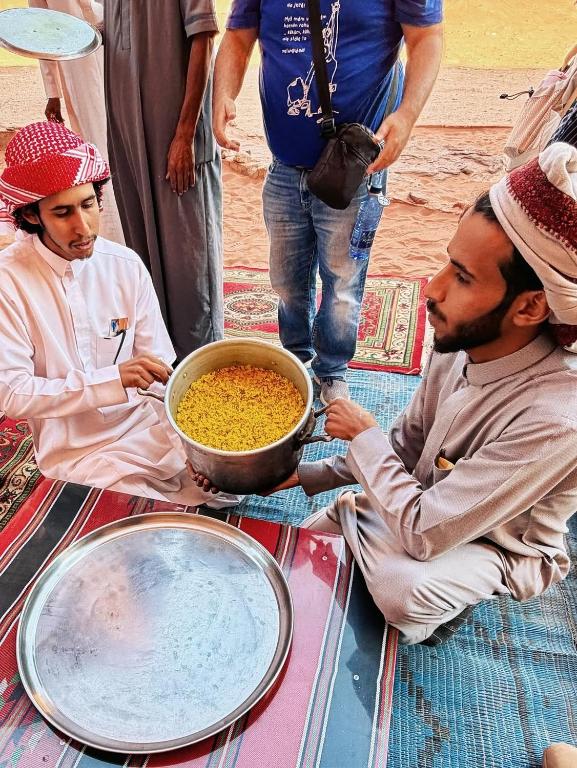
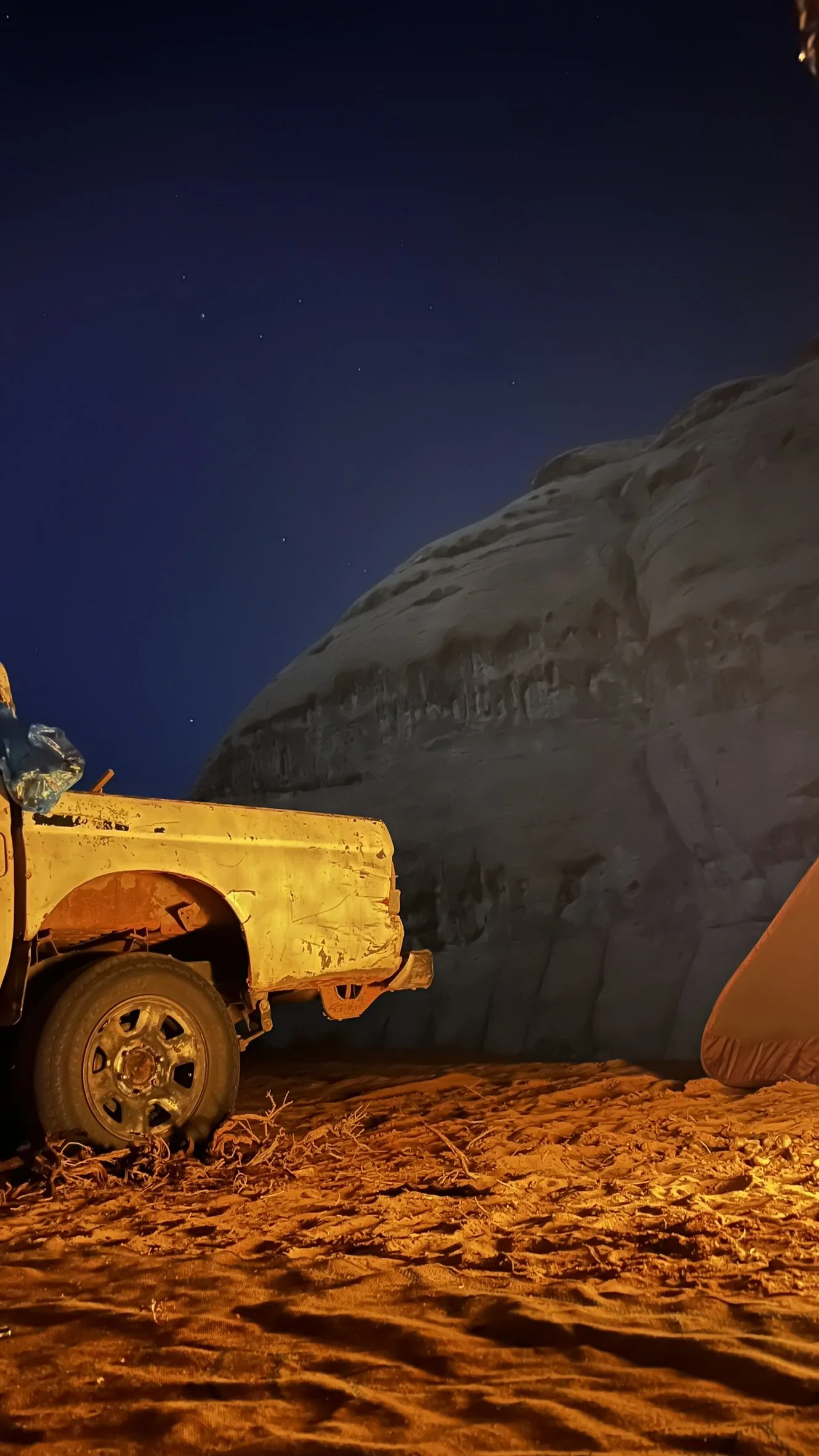
Wadi Rum at night is where Jordan gets quiet.
Aqaba: best for Red Sea, snorkelling and a softer ending
Aqaba is where Jordan remembers it has sea. After Amman, Petra and Wadi Rum, Aqaba feels like you have gone to some other country. You get water, Red Sea light, snorkelling, diving, and a slower ending after all the dust.
You do not need Aqaba on every Jordan route. If your trip is short, Petra and Wadi Rum are more important. But if you have seven to ten days, Aqaba can be a good final cherry on top.
For location, city centre is better if you want restaurants, taxis and easy movement. South Beach is better if your priority is snorkelling, but it can be more spread out.
Best for: Red Sea, snorkelling, diving, relaxed final nights, people who want water after the desert.
Not best for: Very short trips where you are already choosing between Petra, Wadi Rum and sleep.
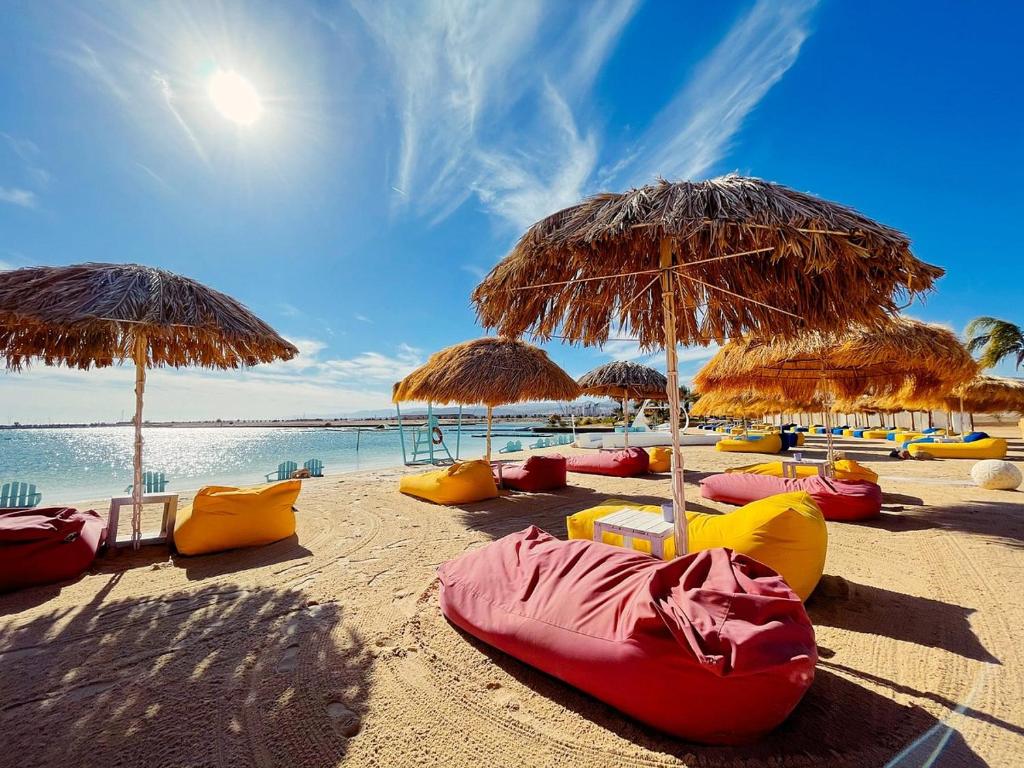
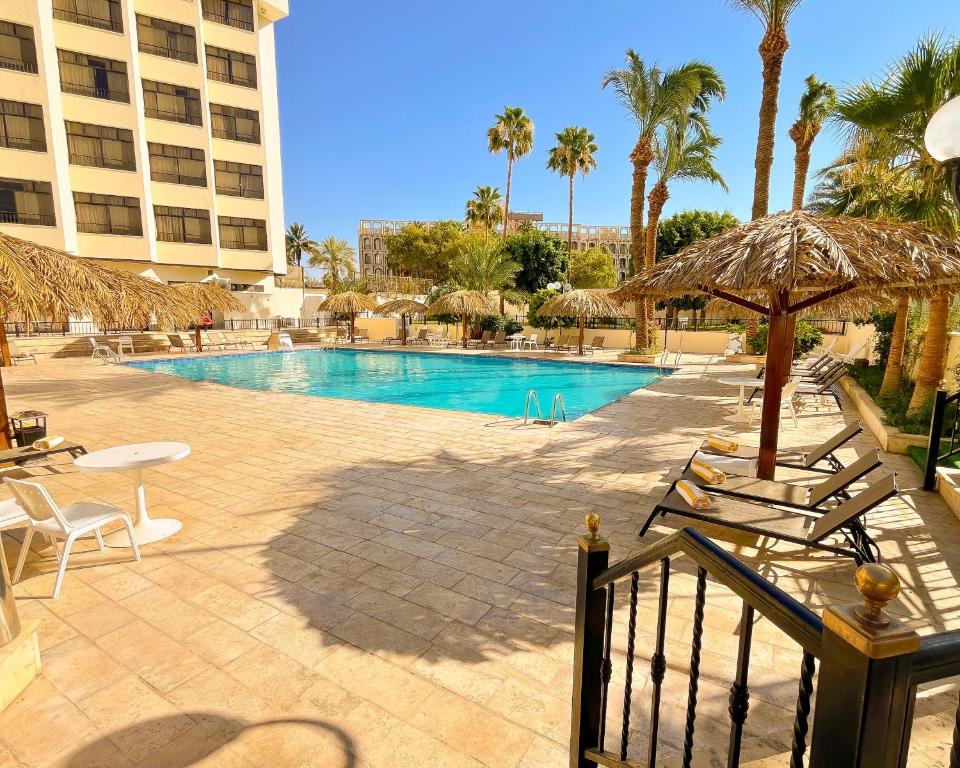
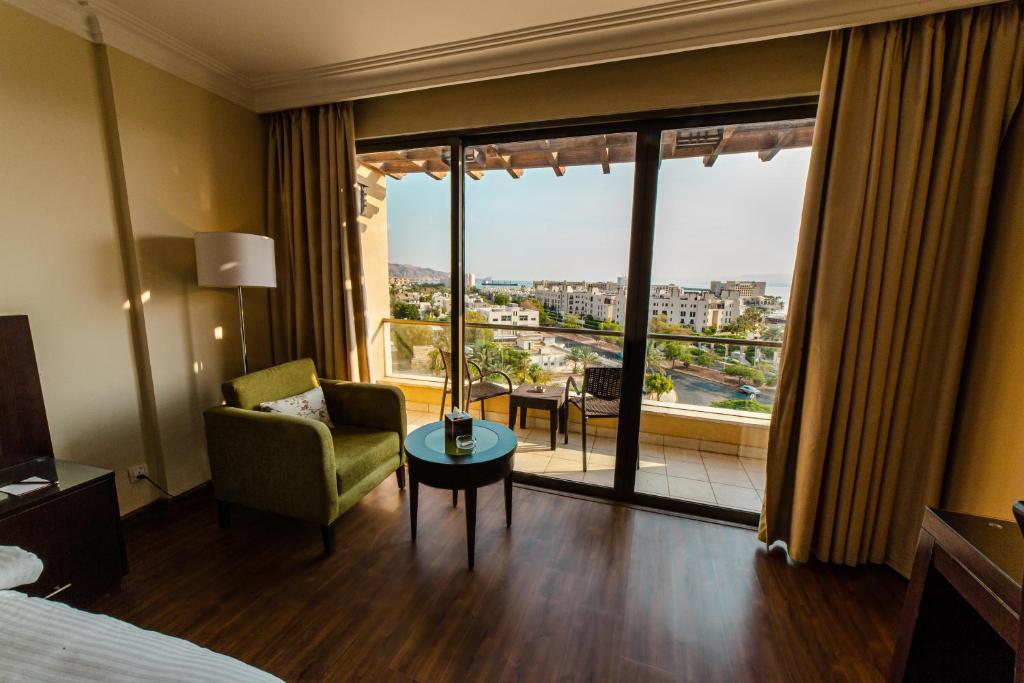
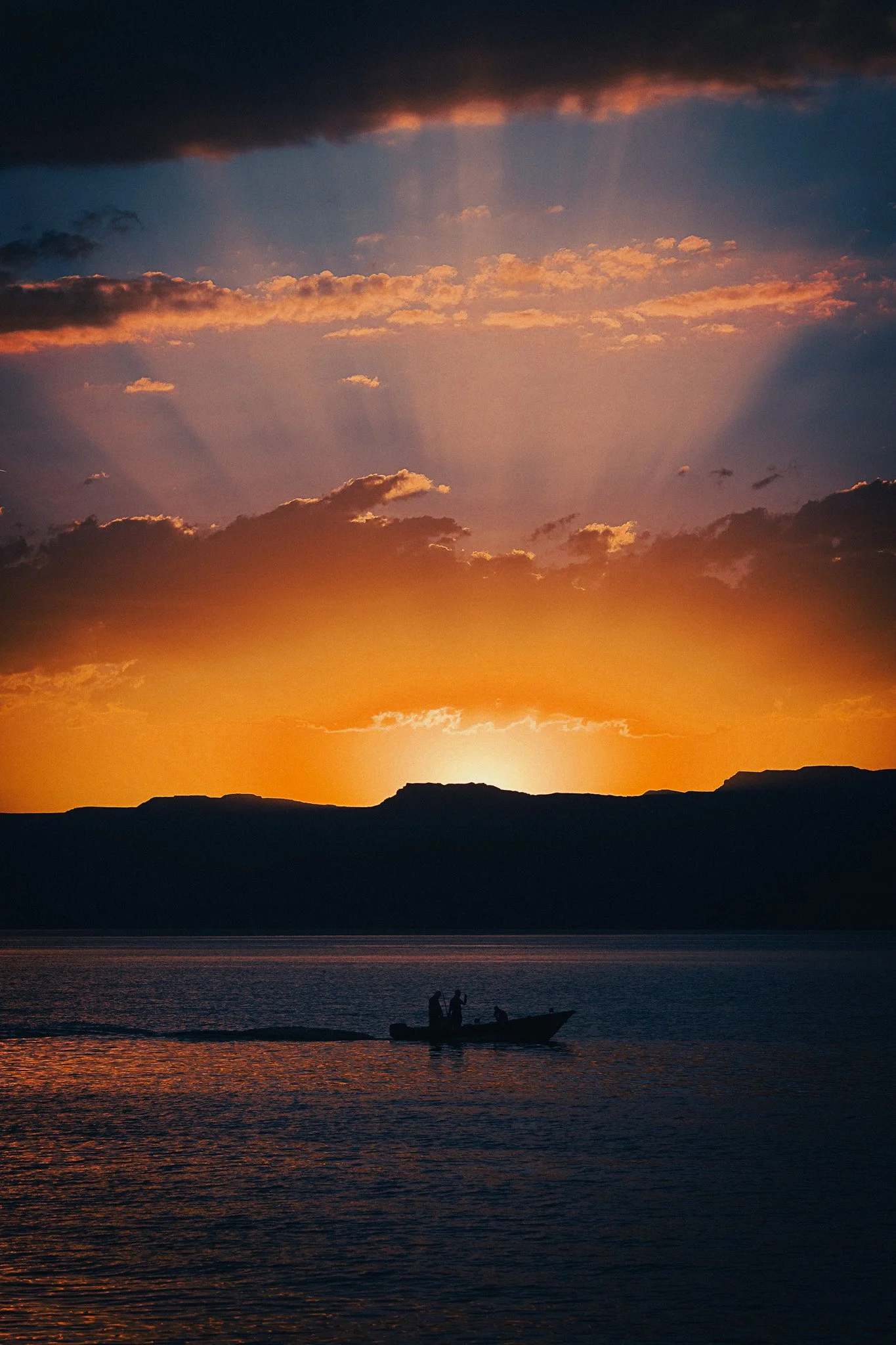
Aqaba is the soft ending.
My honest advice before booking accommodation in Jordan
Do not book Jordan just by hotel aesthetics. Book it by route. Jordan rewards people who plan properly. Not with obsession. Just enough to know where to sleep so the country unfolds instead of turning into expensive movement.
For me, the strongest Jordan route is not the one with the best hotels. It is the one that logistically makes sense.
A city first. Petra with enough time to feel it. Wadi Rum under the stars. Maybe Aqaba if you need the sea. That is how Jordan works in the best way. At least in my opinion.
FAQ: where to stay in Jordan
-
For a first trip, the best bases are Amman, Wadi Musa for Petra, Wadi Rum, and either the Dead Sea or Aqaba depending on your route. If you have more time, add Dana or Madaba.
-
Stay in Wadi Musa. It is the town beside Petra and the easiest base for entering early, avoiding extra transport, and resting after a long day inside the site.
-
Two nights in Wadi Musa is ideal for most travellers. It gives you one full day in Petra without rushing your arrival or departure.
-
One night is enough for most first-time visitors. Stay two nights if you want a slower desert experience, longer jeep tour, hiking, or more time under the stars.
-
Yes, but usually for one night. It works best as a floating, mud and sunset stop between Amman or Madaba and Petra.
-
Aqaba is worth it if you want Red Sea snorkelling, diving, warmer evenings, or a relaxed ending after Petra and Wadi Rum. If your trip is very short, you can skip it.
-
Yes, but you need to choose practical bases. Amman, Wadi Musa, Wadi Rum and Aqaba are easier without a car. The Dead Sea and Dana usually need more planning.